Rapid Weight Loss Colon Cleanse: What Works, What Doesn’t, and What to Do Instead
Key Takeaways: What You Need to Know Before Starting a Rapid Weight Loss Cleanse
- Your colon is self-cleaning — it does not need commercial products to remove “toxins,” and no cleanse product has been proven to remove toxins beyond what your liver and kidneys already do naturally.
- Most weight lost during a cleanse is water weight, not fat — real fat loss requires a sustained calorie deficit, not a short-term flush.
- Aggressive cleanses carry real medical risks including electrolyte imbalances, gut microbiome disruption, and in rare cases, bowel perforation.
- Simple daily habits — fiber, hydration, movement, and meal timing — outperform every commercial cleanse for long-term colon health and sustainable weight loss.
- Keep reading to find out which specific cleanse methods are backed by evidence, which are pure marketing, and what the fastest legitimate path to a flatter stomach actually looks like.
The cleanse industry has one job: make you believe your body is broken so you’ll buy the fix. Expert Customized Detox Plans for Fast Results: Tips & Strategies breaks down how real detox protocols differ from the marketing hype, and it’s worth reading alongside this guide to get the full picture on what actually moves the needle for weight loss.
Most people searching for a rapid weight loss cleanse are dealing with real frustration — bloating that won’t quit, a number on the scale that refuses to budge, or that sluggish, heavy feeling that makes you want to hit a hard reset. Those feelings are valid. The problem isn’t the goal. It’s that the products being sold to fix them are, at best, temporary and, at worst, genuinely harmful. Understanding the biology of your colon changes everything about how you approach this.
Your Colon Does Not Need a Cleanse to Lose Weight
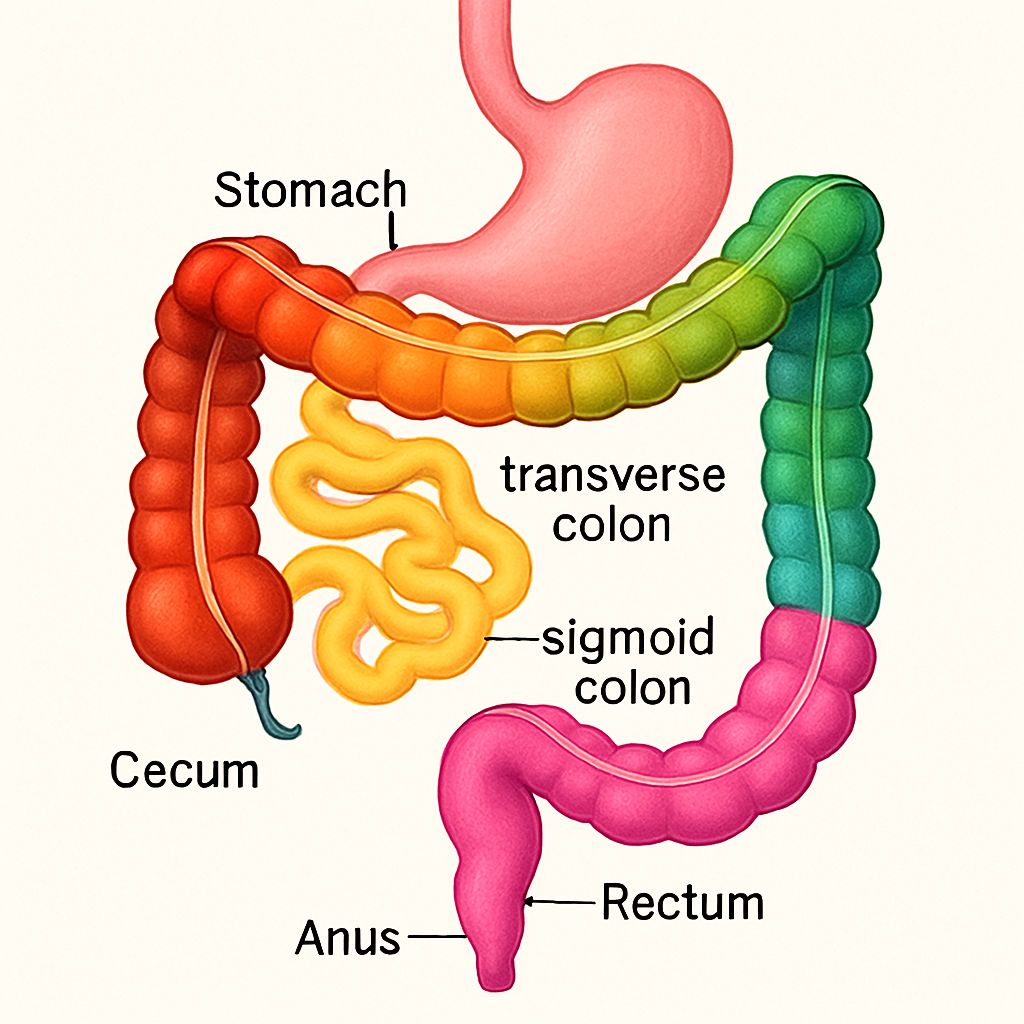
The human colon is one of the most efficient self-regulating systems in the body. It moves waste through using coordinated muscle contractions called peristalsis, maintains its own bacterial ecosystem, and flushes itself regularly through normal bowel movements. No commercial product improves on this process in healthy adults. The American Academy of Family Physicians has formally noted a lack of high-quality evidence supporting colon cleansing as a health intervention.
What colon cleanse marketing exploits is a real discomfort — bloating, irregularity, fatigue — and assigns a fictional cause to it: toxic buildup. Once you accept the fictional cause, the fictional cure sells itself. But the biology simply does not work that way.
How the Colon Actually Cleans Itself
Your liver filters metabolic waste from your blood continuously. Your kidneys excrete it through urine. Your colon’s job is to absorb water and electrolytes from digested food and move solid waste toward elimination. It does this on its own schedule, driven by food intake, hydration, fiber, and physical activity. There is no clinically documented mechanism by which a commercial cleanse product improves on any of these functions.
Why “Toxic Buildup” Is a Marketing Myth
The concept of toxic waste accumulating on the walls of your colon — sometimes called “mucoid plaque” in supplement marketing — has no basis in gastroenterological science. Colonoscopy findings do not support the existence of this buildup in healthy colons. The term exists to sell products, and it works because it sounds plausible and scary at the same time. Real gastroenterologists do not use it.
What Really Causes Bloating and Digestive Discomfort
Bloating is most commonly caused by gas produced during fermentation of undigested carbohydrates in the colon, slow gut motility, food intolerances, or imbalances in the gut microbiome. Constipation is typically caused by insufficient fiber, dehydration, lack of physical movement, or ignoring the body’s natural urge to defecate. These are real, fixable problems — but a detox tea doesn’t fix any of them. Addressing the root cause does.
What Colon Cleanses Actually Do to Your Body
When you take a commercial colon cleanse product — whether it’s a laxative-based supplement, a saltwater flush, or a detox tea — your colon responds by rapidly expelling its contents. This is not detoxification. It is a forced, chemically induced bowel movement. The scale drops because water and stool leave your body, not because fat was metabolized. The moment you rehydrate and eat normally, the weight returns. For more insights, learn about the best detox cleanse for weight loss.
Short-Term Water Weight Loss vs. Real Fat Loss
One pound of fat requires a deficit of approximately 3,500 calories to metabolize. A cleanse creates no such deficit. What it creates is a temporary reduction in the contents of your digestive tract — stool, gas, and water — which can account for one to five pounds on the scale depending on your size and the aggressiveness of the cleanse. This is why before-and-after photos taken within 24 to 48 hours of a cleanse can look dramatic. The change is real. The fat loss is not.
For those looking for a structured approach to actual fat loss through nutrition, the 21-Day Smoothie Diet Weight Loss Program offers a proven framework that supports real calorie reduction while keeping digestion moving through whole-food fiber — a meaningful contrast to the empty promises of commercial cleanses.
How Aggressive Cleanses Disrupt Your Gut Microbiome
Your gut microbiome is a community of trillions of bacteria that regulate digestion, immunity, mood, and metabolism. Aggressive cleansing — particularly repeated use of laxative-based supplements or high-volume enemas — can flush out beneficial bacteria along with waste. This disruption doesn’t just affect digestion. Research increasingly links gut microbiome health to weight regulation, appetite control, and systemic inflammation. Ironically, the very products marketed for weight loss may be undermining the gut environment that makes sustainable weight management possible.
Electrolyte Imbalances and Dehydration Risks
Electrolytes — sodium, potassium, magnesium, and chloride — regulate heart rhythm, muscle function, and fluid balance. Rapid fluid loss from aggressive cleanses depletes these minerals faster than most people expect. Symptoms of electrolyte imbalance include muscle cramps, heart palpitations, dizziness, and in severe cases, cardiac arrhythmia. This is not a theoretical risk. Harvard Health has documented these as known complications of colon cleansing, particularly in people who are already dehydrated or have underlying kidney or heart conditions.
Popular Colon Cleanse Methods Ranked by Evidence
Not all cleanse methods carry the same level of risk or produce the same effects. Understanding what each one actually does — mechanically and chemically — gives you a much clearer picture of why none of them reliably produce fat loss, and why some are significantly more dangerous than others. For more information on safe practices, learn how to cleanse your colon the right way.
Saltwater Flushes: What Actually Happens
A saltwater flush involves drinking a large volume of water mixed with non-iodized salt — typically one to two teaspoons per liter — on an empty stomach. The high salt concentration creates an osmotic effect that draws water into the intestines and triggers rapid evacuation. The result is a thorough, urgent emptying of the bowel within 30 to 60 minutes. This is the same basic mechanism used in medical bowel prep before colonoscopies, but without any clinical oversight, standardized dosing, or safety monitoring. Done incorrectly or repeatedly, saltwater flushes can raise blood sodium to dangerous levels or cause severe dehydration.
Detox Teas and Senna-Based Supplements: Laxatives in Disguise
Detox teas are one of the most heavily marketed cleanse products on the market, and one of the most misunderstood. The active ingredient in most of them is senna, an FDA-approved over-the-counter laxative derived from the senna plant. Senna stimulates the muscles of the colon wall to contract, accelerating bowel transit time. It works for constipation relief when used short-term. What it does not do is detoxify anything, burn fat, or produce lasting changes in body weight. The Cardio Slim Tea takes a fundamentally different approach by supporting cardiovascular function and metabolism rather than simply forcing laxation — which is a meaningful distinction when your actual goal is sustained weight loss rather than a temporary scale drop.
Juice Cleanses: Fiber-Free, Sugar-Heavy, and Short-Lived
Juice cleanses strip out the fiber from fruits and vegetables, leaving behind concentrated sugar and micronutrients delivered in liquid form. Without fiber, the digestive system has very little work to do, gut motility slows, and the beneficial bacteria that ferment fiber for fuel are essentially starved. Most commercial juice cleanses run three to seven days and cost significantly more per calorie than whole food alternatives, while delivering less satiety and no proven metabolic advantage.
Cleanse Type What It Actually Does Fat Loss Evidence Primary Risk Saltwater Flush Osmotic bowel evacuation None Sodium toxicity, dehydration Detox / Senna Tea Stimulant laxative effect None Dependency, electrolyte loss Juice Cleanse Reduces caloric and fiber intake Water weight only Blood sugar spikes, muscle loss Colon Cleanse Pills Laxative or diuretic effect None Gut microbiome disruption Medical Bowel Prep Clinically supervised evacuation Not applicable Minimal under supervision
The scale movement people experience during a juice cleanse is almost entirely explained by reduced food volume in the gut, lower glycogen stores (which hold water), and fluid loss. The moment normal eating resumes, glycogen is replenished and water weight returns with it. Studies on juice-based programs consistently show short-term water weight loss but not real fat loss in any clinically meaningful form.
There is one indirect benefit worth acknowledging: if a juice cleanse replaces a diet that was genuinely high in ultra-processed food, the calorie reduction during the cleanse period might create a modest deficit. But that benefit comes from eating less, not from the juice itself — and the same deficit could be created far more sustainably through whole food dietary changes.
Colon Cleanse Pills: No FDA Approval for Fat Loss
Commercial colon cleanse supplements — sold in capsule or tablet form — typically combine senna or cascara sagrada (another stimulant laxative) with herbal diuretics, psyllium husk, and marketing-friendly ingredients like aloe vera or bentonite clay. None of these combinations have FDA approval for weight loss or colon detoxification. The fiber components like psyllium can legitimately support bowel regularity when taken with adequate water, but the laxative components carry the same dependency and electrolyte risks as senna teas when used repeatedly.
Simple Habits That Actually Improve Colon Health
The colon thrives on consistency, not intervention. The habits that genuinely support digestive health and sustainable weight management are unglamorous, inexpensive, and backed by decades of clinical evidence. None of them come in a bottle, and none of them promise results in 24 hours — but all of them actually work.
1. Eat More Fiber-Rich Whole Foods
Dietary fiber is the single most evidence-backed tool for improving colon health. Soluble fiber — found in oats, legumes, apples, and flaxseed — forms a gel in the digestive tract that slows glucose absorption and feeds beneficial gut bacteria. Insoluble fiber — found in whole grains, vegetables, and nuts — adds bulk to stool and speeds transit time, reducing the amount of time waste spends in contact with the colon wall.
The general guideline for fiber intake is 25 grams per day for women and 38 grams for men, though most adults in Western diets consume roughly half that. Increasing fiber intake gradually — paired with adequate water — is one of the most effective ways to resolve chronic bloating, irregular bowel movements, and the sluggish digestion that often drives people toward cleanse products in the first place.
2. Stay Consistently Hydrated Throughout the Day
Water is what keeps stool soft enough to move efficiently through the colon. Dehydration is one of the most common and correctable causes of constipation. The colon actively reabsorbs water from stool as it passes through — if you’re not replenishing fluid intake consistently, the colon takes more water from the stool, making it harder, drier, and more difficult to pass. Eight to ten cups of water daily is a reasonable baseline, though individual needs vary with activity level, climate, and body size.
3. Move Your Body Daily to Stimulate Digestion
Physical activity directly stimulates gut motility. Walking, in particular, has been shown to accelerate gastric emptying and reduce colon transit time — meaning waste moves through faster and more regularly with consistent movement. Even 20 to 30 minutes of moderate walking daily can make a measurable difference in bowel regularity for people who are sedentary. For those interested in maximizing fat loss alongside digestive health, HIIT Workouts vs. Sauna Suits: Fastest Fitness Results Guide offers a practical breakdown of which exercise approaches deliver the fastest body composition changes.
Beyond walking, any form of consistent aerobic exercise supports healthy gut function. This is one of the clearest examples of how the habits that support weight loss and the habits that support colon health are largely the same habits — no cleanse required.
4. Stop Eating at Least Two Hours Before Bed
Your digestive system slows significantly during sleep, and eating close to bedtime means food sits in the stomach and early intestine longer before moving into the colon. This can contribute to bloating, reflux, and irregular morning digestion. Allowing at least two hours between your last meal and sleep gives the stomach time to empty and the small intestine time to move its contents forward, so the colon receives material at a more natural pace.
This habit also tends to reduce total caloric intake for most people, since late-night eating is often opportunistic rather than hunger-driven. The combination of improved digestion and incidental calorie reduction makes this one of the simplest and most underrated adjustments for people dealing with both bloating and stubborn weight.
5. Never Ignore Your Body’s Urge to Go
Repeatedly suppressing the urge to defecate — because of a busy schedule, discomfort with public bathrooms, or simply ignoring the signal — trains the rectum to become less responsive over time. Stool that stays in the colon longer becomes harder and drier as more water is absorbed, making the next bowel movement more difficult and uncomfortable. Responding promptly to the body’s natural signals is one of the most straightforward ways to maintain healthy colon function and prevent the constipation that often leads people to reach for laxative-based cleanses.
When Weight Loss After a Cleanse Is Actually Real
Occasionally, people do experience weight loss that persists beyond the initial water weight drop after a cleanse — and there’s a specific reason this happens. When a cleanse serves as the psychological trigger for broader behavioral changes — cutting out alcohol, stopping late-night snacking, increasing water intake, or beginning an exercise routine — the cleanse itself isn’t producing the fat loss. The lifestyle shift that follows it is. The cleanse functions as a commitment device, not a metabolic intervention. Recognizing this distinction matters, because it means you can capture that motivational reset without exposing yourself to the risks of aggressive cleansing products.
Who Should Talk to a Doctor Before Any Cleanse
While the risks of commercial cleanses are manageable for most healthy adults who use them once and discontinue, certain populations face significantly elevated danger. Anyone with a history of kidney disease, heart arrhythmia, inflammatory bowel disease, diverticulitis, or recent abdominal surgery should avoid all commercial cleanse products without explicit medical clearance. The electrolyte disruption and rapid fluid shifts involved in aggressive cleanses can trigger serious cardiac or renal complications in people whose systems are already under strain.
Pregnant women, older adults, and people on medications — particularly diuretics, blood pressure medications, or anticoagulants — face additional interaction risks that make unsupervised cleansing genuinely dangerous rather than merely ineffective. If you’re in any of these categories and experiencing digestive issues significant enough that you’re considering a cleanse, that’s precisely the situation where a gastroenterologist or registered dietitian can offer interventions that actually address the underlying cause safely.
Diabetics and Pre-Diabetics: Juice Cleanses Can Spike Blood Sugar
For people managing blood sugar — whether diagnosed with type 2 diabetes, prediabetes, or insulin resistance — juice cleanses present a specific and underappreciated risk. Commercial juice cleanses deliver concentrated fruit sugars without the fiber that slows glucose absorption in whole fruit. The result is a rapid spike in blood glucose that can be difficult to manage, particularly for people whose insulin response is already compromised. This is the opposite of what most people with metabolic concerns need from a weight loss intervention.
The irony is that people with insulin resistance are often the most motivated to try rapid cleanses because they’re dealing with stubborn weight that doesn’t respond to moderate dietary changes. But the blood sugar volatility triggered by juice cleanses can increase hunger, drive cravings for quick carbohydrates, and ultimately make the metabolic picture worse. For this population specifically, working with a physician to explore options like a Telehealth GLP-1 Weight Loss Prescription offers a clinically grounded path that addresses the hormonal drivers of weight gain directly, rather than temporarily emptying the digestive tract.
Higher BMI Patients: Structured Medical Care Outperforms Every Cleanse
For individuals with a BMI above 30, commercial cleanse products are among the least effective interventions available — and potentially among the most discouraging. The water weight loss produced by a cleanse is proportionally smaller relative to total body weight, the rebound is faster, and the experience of dramatic effort producing minimal lasting change can reinforce the belief that weight loss is simply not achievable. This psychological cost is rarely discussed but clinically relevant.
Structured medical weight loss programs, by contrast, address the hormonal, metabolic, and behavioral factors that make sustained fat loss difficult at higher body weights. GLP-1 receptor agonists, for example, work by slowing gastric emptying, reducing appetite signaling, and improving insulin sensitivity — mechanisms that no cleanse product touches. For those curious about how these medications compare, understanding the difference between Tirzepatide and Semaglutide is a useful starting point for conversations with a healthcare provider about which option fits your specific metabolic profile.
For those who prefer to avoid prescription medications entirely, there are evidence-informed options worth considering. Natural GLP-1 Enhancement Without Needles, Prescriptions Or Side Effects represents a category of approach that supports the body’s own appetite-regulating hormones through natural compounds — offering a middle path between aggressive cleansing and pharmaceutical intervention for people who want meaningful metabolic support without a prescription.
The Fastest Legitimate Path to a Flatter Stomach
The fastest path to reduced bloating, improved digestion, and genuine fat loss is not a cleanse. It is a short list of consistent, evidence-backed habits executed without interruption. People who implement these changes simultaneously often notice a dramatic difference in how their stomach looks and feels within one to two weeks — not because of detoxification, but because of reduced inflammation, improved gut motility, lower water retention from sodium, and the beginning of a real calorie deficit.
Cut Ultra-Processed Foods and Soda First
Ultra-processed foods — packaged snacks, fast food, sweetened beverages, and processed deli meats — are the single largest driver of the bloating, sluggish digestion, and weight gain that push people toward cleanses in the first place. They are high in refined carbohydrates that feed gas-producing gut bacteria, high in sodium that drives water retention, and low in the fiber that keeps the colon moving efficiently. Cutting them out aggressively for even seven days produces changes in gut comfort and scale weight that are more significant than any commercial cleanse — and the results don’t reverse the moment you eat your next meal.
Work With a Registered Dietitian for Gut Health Goals
A registered dietitian can identify the specific dietary patterns driving your digestive symptoms, test for food intolerances that commercial cleanses cannot address, and build a fiber and hydration plan calibrated to your specific gut physiology. This is the unglamorous, highly effective alternative to the rapid cleanse cycle — and for people dealing with chronic bloating, IBS, or weight that hasn’t responded to general dietary changes, it is frequently the intervention that finally moves the needle in a lasting way.
Frequently Asked Questions
The questions below address the most common points of confusion around colon cleansing and weight loss. The answers are grounded in clinical evidence and gastroenterological research — not supplement marketing.
Common Cleanse Claim What the Evidence Actually Shows “Removes toxins from your colon” No clinical evidence supports this. Your liver and kidneys handle toxin removal continuously. “Jumpstarts weight loss” Any weight lost is water and stool, not fat. It returns within 24–48 hours of normal eating. “Improves energy and mental clarity” Placebo effect and reduced calorie intake are the most likely explanations for reported benefits. “Clears out years of toxic buildup” “Mucoid plaque” is not a recognized medical phenomenon. Colonoscopies do not find it. “Safe for regular use” Repeated use of laxative-based cleanses can cause dependency, electrolyte loss, and microbiome disruption.
One pattern that shows up consistently in the research and in clinical practice is that the people most drawn to rapid cleanse products are often those who have already tried multiple approaches without lasting results. The appeal of a hard reset is psychologically real — but the biology doesn’t support it as a fat loss strategy. Understanding this distinction is the foundation of making better decisions about what to try next.
The most effective weight loss interventions share a common feature: they create conditions for the body to do what it is already designed to do — regulate appetite, metabolize fuel, and maintain a healthy weight — rather than trying to force dramatic short-term changes that the body immediately corrects for.
Can a Colon Cleanse Help You Lose Weight Fast?
A colon cleanse can lower the number on the scale quickly, but that is not the same as losing weight fast in any meaningful sense. The reduction reflects stool, gas, and water leaving the body — not fat being metabolized. Real fat loss requires a sustained calorie deficit maintained over days and weeks, not a single aggressive bowel evacuation. The scale will return to its previous number, or close to it, within one to two days of resuming normal food intake and hydration.
How Long Does It Take for Your Colon to Cleanse Itself Naturally?
Your colon is continuously moving waste through your system. The total transit time from eating a meal to eliminating its waste varies significantly by individual but averages between 24 and 72 hours in healthy adults. This process happens automatically through peristalsis and does not require any external intervention to complete.
Factors that slow natural transit time — and therefore make you feel more bloated or backed up — include low fiber intake, insufficient hydration, physical inactivity, ignoring the urge to defecate, and high stress. Addressing any of these factors will speed natural colon transit time more reliably than any commercial product.
Are There Any Colon Cleanse Methods That Are Actually Safe?
Medical colon cleansing — specifically the bowel prep used before colonoscopies, prescribed and supervised by a gastroenterologist — is safe and clinically appropriate in its specific context. For general wellness or weight loss, no commercial colon cleanse method has a strong safety and efficacy profile. The closest thing to a safe at-home colon support practice is consistently high fiber intake paired with adequate hydration — which supports the colon’s own natural cleansing process without introducing the risks of forced evacuation.
Why Do You Feel Lighter After a Cleanse If No Fat Was Lost?
The feeling of lightness after a cleanse is real — it just has a different explanation than most cleanse marketing suggests. When the colon is emptied of its current contents — which can weigh one to five pounds depending on transit time and diet — the physical sensation of fullness, pressure, and bloating decreases significantly. Reduced food volume in the gut also means less distension of the abdominal muscles, which visually flattens the stomach.
Additionally, many cleanses involve several days of reduced calorie intake, which depletes glycogen stores in the liver and muscles. Glycogen is stored with water at a ratio of roughly three grams of water per gram of glycogen, so even modest glycogen depletion produces a noticeable reduction in body water. The lightness is real. The source of it — and the permanence of it — is not what the marketing implies.
What Is the Best Natural Way to Support Colon Health for Weight Loss?
The best natural approach combines high dietary fiber from whole food sources, consistent hydration of eight to ten cups of water daily, at least 20 to 30 minutes of physical movement most days of the week, regular sleep, and stress management. These are not exciting recommendations, but they are the ones with the largest and most consistent body of clinical evidence behind them.
Eliminating ultra-processed foods, reducing alcohol, eating at consistent times, and not eating within two hours of sleep all support colon motility and create the calorie deficit conditions that produce real fat loss over time. These habits also support a healthy gut microbiome — which emerging research increasingly links to healthy weight regulation, appetite control, and reduced systemic inflammation.
If you want a structured program to build these habits around, a food-based approach that incorporates whole food nutrition, fiber, and sustainable calorie management will always outperform a cleanse for both digestive health and lasting weight loss. The goal is not to force your colon to empty faster — it is to create the internal conditions where your body naturally maintains a healthy weight without intervention.
Practical Weight Loss exists to cut through the noise of the supplement and cleanse industry and give you the evidence-based strategies, honest product comparisons, and structured programs that actually support lasting fat loss and better health — starting with understanding what your body already does remarkably well on its own.