Achieving Fast Results with Customized Detox Plans: Expert Tips
Key Takeaways: Main Points To Keep In Mind When Using Detox Plans For Fast Results
- Your liver, kidneys, and intestines are already detoxing your body 24/7 — no juice cleanse required.
- Customized detox plans work best when they focus on whole foods, sleep, and exercise rather than expensive supplements.
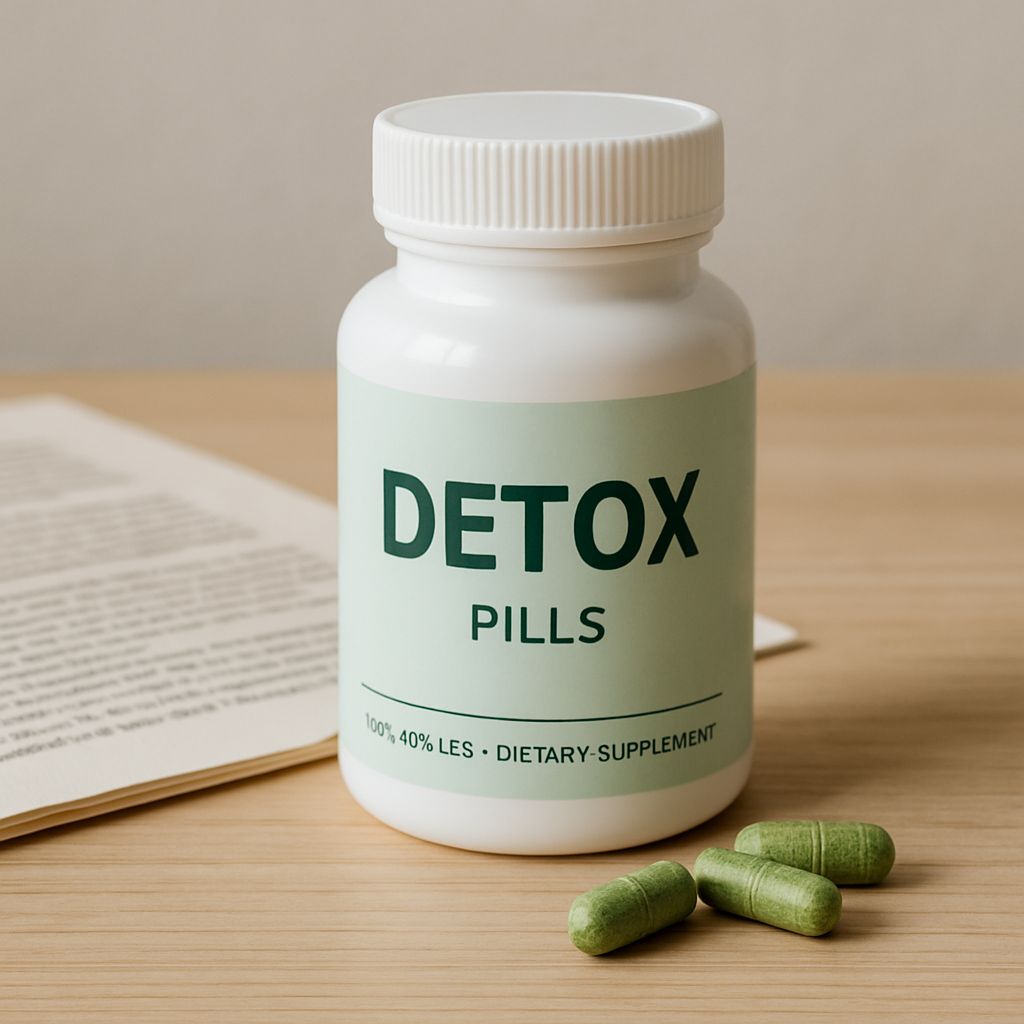
- Most commercial detox products lack scientific backing and some contain FDA-flagged illegal ingredients.
- Certain populations — including pregnant women and people with diabetes — face real risks from popular detox diets.
- There’s one specific approach to detoxing that actually delivers lasting results — and it might surprise you.
Customized detox plans promise fast results, but the real question is whether those results come from the detox itself — or simply from finally cutting out the junk.
The idea of hitting a reset button on your body is genuinely appealing. And while the wellness industry has built a multi-billion dollar empire around that feeling, the science tells a more grounded story. At Practical Weight Loss, the focus is always on what actually moves the needle for real people — and when it comes to detoxing, that means cutting through the noise and building something that works for your specific body, goals, and lifestyle.
Your Body Already Detoxes — Here’s How to Support It Better
Before spending money on a packaged cleanse, it helps to understand what your body is already doing on your behalf. Every single day, without any supplements or special juices, your internal organs are filtering, processing, and eliminating harmful substances with remarkable efficiency.
How Your Liver, Kidneys, and Intestines Remove Toxins Daily
Your liver is the star of the show. It filters everything you eat, drink, and breathe — keeping what your body needs and flagging the rest for removal. As Dr. Sahota puts it plainly: “If your liver’s healthy, it will detox your system for you. No special diet needed. Whatever you eat goes through your liver. The good stuff stays in. The bad stuff goes out through your kidneys and intestines.” Your kidneys then filter roughly 200 liters of blood per day, excreting waste through urine. Your intestines handle the rest through regular bowel movements. This is a finely tuned, always-on system — and it doesn’t need a three-day juice fast to do its job.
Why Most Commercial Detox Products Are Unnecessary
The National Center for Complementary and Integrative Health is direct on this point: toxins don’t accumulate in your liver, kidneys, or other organs in ways that require commercial intervention. Your body isn’t a clogged drain waiting to be flushed. That said, what you can do is make your body’s natural detox system work more efficiently — and that’s where a customized approach actually has value.
The FDA has also flagged some detox products for containing illegal and potentially harmful ingredients. So beyond being unnecessary, some products on the market are actively risky. Always read labels carefully and cross-reference any supplement with your healthcare provider before adding it to your routine.
What a Genuinely Effective Detox Plan Actually Looks Like
An effective detox plan isn’t about restriction — it’s about optimization. It means eating more of the right things, sleeping properly, moving your body, managing stress, and reducing your exposure to processed ingredients and environmental pollutants. Think of it less as a cleanse and more as a strategic upgrade to your daily habits. When you structure these changes around your specific health goals and lifestyle, that’s when you start seeing real, lasting results — not just a temporary scale drop from cutting calories for three days.

The Real Appeal of Detox Diets (And Why People Keep Falling for It)
There’s a reason detox culture keeps growing despite limited scientific backing. It’s not just clever marketing — it taps into something real. People genuinely feel sluggish, bloated, and overloaded, and they want relief fast. That desire is completely valid. The problem is that the solutions being sold rarely match the promise on the label.
The $51 Billion Detox Industry and the Promise of Quick Fixes
The global detox market continues to expand rapidly, built largely on the emotional appeal of a fresh start. The messaging is powerful: feel lighter, look better, think clearer — in just days. And the truth is, many people do feel better after a short detox program. But researchers and clinicians consistently point out that this improvement usually comes from cutting out ultra-processed foods and reducing calorie intake — not from any special cleansing ingredient in a $90 supplement kit.
It’s also worth noting the financial side of things. Many detox programs require you to purchase proprietary juices, herbal blends, or multi-step supplement kits — and costs add up fast. If you’re looking for a sustainable approach that won’t drain your wallet, options like the 21-Day Smoothie Diet Weight Loss Program offer a more structured, food-based framework that sidesteps the expensive gimmicks while still delivering meaningful results.
Why Cleanses Create a Cycle of Yo-Yo Dieting
Short-term cleanses create a predictable pattern: restrict heavily, feel great briefly, return to old habits, feel worse than before, repeat. This cycle isn’t just frustrating — it can actually make long-term weight management harder. Health professionals consistently note that dramatic short-term restriction doesn’t teach your body or your habits anything useful. Real change requires real lifestyle shifts, not a two-week liquid diet followed by a return to processed foods.
How to Build a Customized Detox Plan That Works for You
A truly customized detox plan starts with honestly assessing your current diet, energy levels, health conditions, and goals — then building a framework that fits your actual life, not a generic one-size-fits-all program. Here’s how to do it step by step.
1. Talk to Your Doctor Before Starting Any Detox Plan
This isn’t just a legal disclaimer — it’s genuinely important. Some detox approaches involve significant caloric restriction, herbal supplements with drug interactions, or elimination protocols that can destabilize blood sugar. If you have any underlying health condition, take regular medications, or have a history of disordered eating, a conversation with your doctor before starting is non-negotiable. They can help you identify which approaches are safe for your specific physiology and flag any ingredients in commercial products that might cause harm.
2. Replace Processed Foods With Whole Foods First
The single most impactful thing you can do when starting a customized detox plan is to swap out ultra-processed foods for whole, minimally processed alternatives. This means trading packaged snacks for raw nuts and seeds, replacing refined white bread with whole grain options, and choosing fresh or frozen vegetables over canned ones loaded with sodium and preservatives. This one shift alone reduces your intake of artificial additives, excess sugar, and chemical preservatives — which are the actual dietary “toxins” your body struggles to process efficiently.
3. Build Your Grocery List Around Organic Produce and Whole Grains
When building your detox-friendly grocery list, prioritize produce from the Environmental Working Group’s “Dirty Dozen” list in organic form — strawberries, spinach, kale, peaches, and apples consistently rank highest for pesticide residue. Pair these with fiber-rich whole grains like quinoa, oats, and brown rice, which support intestinal transit and feed beneficial gut bacteria. Cruciferous vegetables like broccoli, Brussels sprouts, and cauliflower are particularly valuable because they contain compounds that actively support liver enzyme function. Your grocery cart is the foundation of your detox — get this right and everything else becomes easier.
4. Plan and Prep Your Meals and Snacks in Advance
One of the most common reasons people abandon a detox plan within the first week is convenience failure — when hunger hits and there’s nothing prepared, processed food wins every time. Batch cooking on Sundays, pre-portioning snacks into containers, and keeping a rotation of two or three simple go-to meals eliminates decision fatigue during the week. If smoothies are part of your plan, pre-freezing portioned bags of fruits and greens cuts morning prep time to under two minutes. Planning isn’t just helpful — it’s what separates people who complete a detox from people who bail on day four.
5. Factor Your Daily Energy Levels Into Your Plan
A detox plan that ignores how you actually feel throughout the day is a plan that won’t last. If you have high-energy mornings and afternoon crashes, structure your most nutrient-dense meals earlier in the day and keep afternoon snacks simple and blood-sugar stabilizing — think apple slices with almond butter or a handful of walnuts. If you work out in the evenings, make sure your post-workout meal includes adequate protein to support muscle recovery. Customization means your plan bends to your life, not the other way around. A detox that leaves you exhausted and irritable by day three isn’t working — it’s just punishing you.
Herbal Supplements and Detox: What the Science Actually Says
Herbal supplements occupy a complicated middle ground in the detox conversation. Some have genuine biochemical mechanisms that support liver and kidney function. Others are marketed aggressively with claims that have zero clinical backing. The key is knowing the difference — because lumping all supplements together as either miracle cures or useless scams misses the nuanced reality.
Green tea contains catechins, particularly EGCG, which research shows can enhance liver enzyme activity and reduce oxidative stress. Milk thistle contains silymarin, a compound with documented hepatoprotective properties — meaning it actively helps protect liver cells from damage. Turmeric’s active compound curcumin has demonstrated anti-inflammatory effects that can reduce the burden on your body’s filtration systems. These aren’t magic bullets, but they’re not snake oil either. Used correctly and in appropriate doses, they can meaningfully support your body’s natural detox capacity. Something like Cardio Slim Tea takes a similar approach — using functional botanical ingredients to complement your body’s existing systems rather than replace them.
When Supplements Help vs. When They Are Dangerous
Supplements become dangerous when they’re taken in excessive doses, combined with medications that share the same metabolic pathway, or used as a substitute for medical treatment. Green tea extract in concentrated supplement form, for example, has been linked to liver toxicity at high doses — the same compound that’s perfectly safe as a brewed beverage. The dose and delivery method matter enormously. If you’re taking blood thinners, statins, or diabetes medications, many herbal supplements — including seemingly benign ones like garlic extract and ginger — can interfere with drug metabolism in clinically significant ways.
Liver Conditions and Supplement Risks You Need to Know
If you have any existing liver condition — including fatty liver disease, hepatitis, or cirrhosis — the supplement landscape becomes significantly more dangerous, not less. This is deeply counterintuitive: people with compromised liver function are often most drawn to detox products, yet those are precisely the people most at risk from them. A liver that isn’t functioning at full capacity cannot process herbal compounds efficiently, leading to accumulation and potential toxicity.
The FDA has documented cases where detox and cleanse products contained undisclosed pharmaceutical ingredients, heavy metals, and controlled substances. This isn’t a rare edge case — it’s a documented pattern. The supplement industry in the United States is regulated differently from pharmaceuticals, meaning products can reach shelves without the same level of pre-market safety testing.
Before adding any supplement to your detox plan — especially if you have a known health condition — run it through these checkpoints:
- Look up the ingredient on the NIH’s National Library of Medicine database for documented interactions
- Check whether the brand has third-party testing certification (NSF, USP, or Informed Sport)
- Verify the dosage against clinical research, not just the label recommendation
- Confirm there are no known interactions with any medications you currently take
- Discuss with your doctor or a registered dietitian before starting
It’s also worth reading up on common pitfalls people encounter when adding supplements to health protocols. A resource like HCG Drops Usage Mistakes to Avoid & Common Errors illustrates how even well-intentioned supplement use can go sideways without the right guidance — a lesson that applies broadly across the detox supplement category.
Sleep and Exercise Are Your Most Powerful Detox Tools
No supplement stack or juice protocol comes close to matching the detox power of consistent, quality sleep combined with regular physical movement. During deep sleep, your brain’s glymphatic system — a waste clearance network that’s essentially inactive while you’re awake — flushes metabolic byproducts including amyloid-beta proteins. Aim for 7 to 9 hours of uninterrupted sleep per night to give this system time to fully complete its cycle. On the exercise side, sweating during moderate-to-vigorous activity supports elimination through the skin, while improved circulation helps your liver and kidneys filter blood more efficiently. Even 30 minutes of brisk walking five days a week creates measurable improvements in how effectively your body manages and eliminates waste products.
Detox Plans for Specific Health Conditions Need Extra Care
A customized detox plan means exactly that — customized. What works for a healthy 35-year-old with no medical history is not automatically appropriate for someone managing a chronic health condition. In fact, some of the most popular detox approaches carry specific risks for particular groups that are rarely discussed in mainstream wellness content.
It’s also worth considering what results you’re actually chasing before committing to any detox framework. For people whose primary goal is meaningful weight loss alongside a cleaner diet, it may be worth exploring whether a medically supervised approach like a Telehealth GLP-1 Weight Loss Prescription is appropriate for your situation — particularly if lifestyle changes alone haven’t delivered results. Combining metabolic support with cleaner eating habits is a legitimate, physician-guided strategy that’s gaining significant traction.
When thinking about the intersection of detox diets and specific health conditions, there are also cost-benefit trade-offs worth weighing carefully. For instance, Infrared Sauna Blanket Cost-Benefit for Weight Loss for Special Occasions explores how adjunct wellness tools — often marketed as detox aids — should be evaluated against their actual return on investment before committing your time and money.
Blood Sugar Risks for People With Diabetes
For people managing diabetes or insulin resistance, many popular detox protocols carry genuine risks that go well beyond minor discomfort. Juice cleanses and extreme caloric restriction can cause dramatic swings in blood glucose levels — both dangerous highs from fruit-sugar-heavy juice blends and dangerous lows from severe calorie deficits. If you take insulin or other glucose-lowering medications, these fluctuations can escalate into a medical emergency quickly. Any detox plan for someone with diabetes needs to be designed with blood sugar stability as the primary constraint, not an afterthought.
Why Pregnant or Nursing People Should Avoid Most Detox Diets
During pregnancy and breastfeeding, nutritional demands increase significantly — the opposite of what most detox diets deliver. Caloric restriction, elimination of food groups, and herbal supplement use during these periods can directly affect fetal development and milk composition. Some herbal ingredients commonly found in detox teas and cleanses — including senna, licorice root, and high-dose ginger — are explicitly contraindicated during pregnancy. This isn’t a grey area; it’s a clear medical boundary.
- Senna — a common detox laxative — can stimulate uterine contractions
- High-dose licorice root has been linked to preterm birth in clinical studies
- Concentrated green tea extract reduces folate absorption, critical for neural tube development
- Extreme caloric restriction during nursing reduces milk supply and nutrient density
- Detox diuretics increase dehydration risk, which is already elevated during pregnancy
The safest approach for pregnant or nursing individuals who want to eat cleaner is straightforward: focus on adding nutrient-dense whole foods rather than eliminating anything. Increase leafy greens, quality proteins, and healthy fats. That’s a form of customized detox support that actually aligns with what your body needs during this period.
For those exploring weight management approaches after pregnancy or outside of these conditions, options like Natural GLP-1 Enhancement Without Needles, Prescriptions Or Side Effects represent a gentler metabolic support strategy worth understanding — particularly for people who want functional results without pharmaceutical intervention or extreme dietary restriction.
It’s also worth noting that the line between a legitimate health tool and a risky shortcut can be thin. The same critical thinking you’d apply to detox supplements should extend to any wellness product making significant promises. Understanding the full landscape — including where newer pharmaceutical options like Tirzepatide and Semaglutide fit into the broader weight management conversation — helps you make decisions based on evidence rather than marketing.
The Only Detox Approach Worth Your Time and Money
Strip away the marketing, the expensive kits, and the celebrity endorsements, and what actually works comes down to something unsexy but undeniably effective: consistent, sustainable lifestyle habits that support your body’s natural filtration systems every single day. Eat predominantly whole, minimally processed foods. Drink enough water to keep your kidneys functioning optimally — roughly 2 to 3 liters per day for most adults. Prioritize sleep. Move your body regularly. Limit alcohol, which places a direct and documented burden on your liver. Reduce exposure to environmental toxins where you have control — filtered water, reduced plastic use, and choosing organic for high-pesticide produce. These aren’t glamorous interventions, but they produce real, cumulative results that no three-day cleanse can replicate.
The customization piece matters because no two bodies, schedules, or health histories are identical. A teacher on her feet all day has different energy and nutritional needs than someone working a desk job. Someone with a history of gut issues needs a different approach than someone whose primary concern is liver support. Build your plan around your actual life — and if you need professional support to do that, working with a registered dietitian who understands functional nutrition is the most cost-effective investment you can make in your long-term health.
Frequently Asked Questions
Here are the most common questions people have about customized detox plans and what the evidence actually says about each one.
Can You Detox Your Body in 3 Days?
A three-day detox will not meaningfully change how your liver or kidneys function, remove stored environmental toxins from fat tissue, or produce lasting health improvements. What it can do in three days is reduce bloating from cutting out processed foods, lower your sodium intake enough to drop water weight, and reset some taste preferences away from sugar. Those are real but limited benefits. Here’s what a realistic three-day reset can and can’t do:
- Can do: Reduce digestive bloating and discomfort
- Can do: Lower inflammation markers slightly by removing processed food triggers
- Can do: Improve energy temporarily from better hydration and nutrient intake
- Cannot do: Remove heavy metals or environmental chemicals from tissue
- Cannot do: Repair liver or kidney function
- Cannot do: Produce lasting weight loss beyond water weight
If three days is your starting point for building better habits, that’s genuinely valuable. The problem is when a three-day cleanse is positioned as a complete solution rather than an on-ramp to longer-term change.
The National Center for Complementary and Integrative Health states clearly that there is no solid research proving detox diets remove toxins from the body — in three days, three weeks, or three months. The liver and kidneys handle toxin elimination continuously, and their efficiency is determined by your overall lifestyle, not a short-term protocol.
Do Detox Diets Actually Remove Toxins From Your Body?
No commercial detox diet has been scientifically proven to remove specific toxins from the human body in ways that your liver and kidneys don’t already accomplish. The term “toxin” in most detox marketing is deliberately vague — it rarely refers to a specific measurable compound. Your body’s actual detoxification system is sophisticated, continuous, and highly effective when supported by adequate nutrition, hydration, and sleep. The most evidence-backed way to support toxin elimination is to reduce your intake of alcohol, ultra-processed foods, and environmental pollutants — while keeping your liver and kidneys healthy through good overall lifestyle habits.
What Foods Should You Eat on a Customized Detox Plan?
The most effective detox-supportive foods are ones that actively assist your liver, kidneys, and gut microbiome. Cruciferous vegetables — broccoli, cauliflower, Brussels sprouts, and cabbage — contain glucosinolates that stimulate liver detoxification enzymes. Beets support bile flow, which helps the liver process and eliminate fat-soluble toxins. Garlic contains sulfur compounds that activate liver enzymes. Leafy greens like spinach and kale provide chlorophyll, which some research suggests can bind to certain environmental contaminants in the digestive tract before absorption. Berries deliver antioxidants that reduce oxidative stress on filtration organs.
On the beverage side, water remains the most powerful detox tool available — period. Green tea, lemon water, and certain herbal teas can provide supportive compounds, but none of them substitute for adequate plain water intake. Aim to build meals around the produce list above, add high-quality protein to stabilize blood sugar, and include healthy fats from avocado, olive oil, and nuts to support nutrient absorption and hormone balance.
Are Detox Juice Cleanses Effective for Weight Loss?
Juice cleanses typically produce scale results in the short term — but almost exclusively from water weight and glycogen depletion, not fat loss. When you restrict calories dramatically, your body first burns through stored carbohydrates (glycogen), each gram of which holds about 3 grams of water. That’s why the scale drops fast on a juice cleanse and rebounds just as fast when normal eating resumes. For genuine fat loss, you need a sustained caloric deficit with adequate protein to preserve muscle mass — something most juice cleanses fail to provide, since they’re high in sugar and extremely low in protein.
How Do You Know if a Detox Product Is Safe?
Safety evaluation for any detox product starts with the ingredient label. Look for products with fully disclosed ingredient lists — proprietary blends that hide individual doses are a red flag. Check each active ingredient against the NIH’s National Library of Medicine database for documented safety data and known drug interactions. If an ingredient doesn’t have a clearly established safety profile, that alone should give you pause.
Third-party testing certification is the most reliable quality signal available for supplements. Look for NSF International, USP Verified, or Informed Sport certification marks on the label — these indicate the product has been independently tested for label accuracy and absence of contaminants. Products without any third-party certification are operating entirely on the honor system, which the FDA has repeatedly shown is insufficient in the supplement industry.
Finally, cross-reference any product against the FDA’s database of tainted supplements, which documents detox and cleanse products found to contain undisclosed pharmaceutical ingredients, controlled substances, and heavy metals. If a product shows up in that database — or if you can find no credible clinical data supporting its core claims — walk away. Your liver doesn’t need an expensive intervention. It needs you to stop giving it things it has to fight against. Visit Practical Weight Loss to explore evidence-based approaches that actually support your body’s natural systems without the risk or the hype.