HIIT Workouts vs. Sauna Suits: Which Delivers the Fastest Fitness Results?
Key Takeaways: What You Need to Know About HIIT vs. Sauna Suits
- HIIT triggers a powerful afterburn effect (EPOC) that keeps your metabolism elevated for hours after your workout ends.
- Sauna suits significantly increase fat oxidation during and up to one hour after exercise — especially when paired with HIIT.
- A study sponsored by the American Council on Exercise found sauna suit users gained 11.7% VO2 max improvement vs. 7.3% without a suit over 8 weeks.
- The immediate weight loss from a sauna suit is water weight — but long-term use combined with proper nutrition drives real body composition changes.
- There’s a specific way to combine HIIT and a sauna suit that maximizes results without putting your body at serious risk — and most people are doing it wrong.
HIIT and sauna suits each deliver real results on their own — but understanding exactly what each one does to your body is where the real advantage lies.
Most people in the fitness world treat sauna suits as gimmicks and HIIT as the gold standard for fat loss. The truth is more interesting than that. Both tools work through different but complementary physiological mechanisms, and when you understand the science behind each, you stop guessing and start training smarter. Telehealth GLP-1 Weight Loss Prescription programs have also gained traction among people looking to accelerate their results alongside structured exercise, showing just how seriously the fitness community is taking a multi-tool approach to fat loss.
HIIT Burns Fat Fast — But Sauna Suits Change the Game
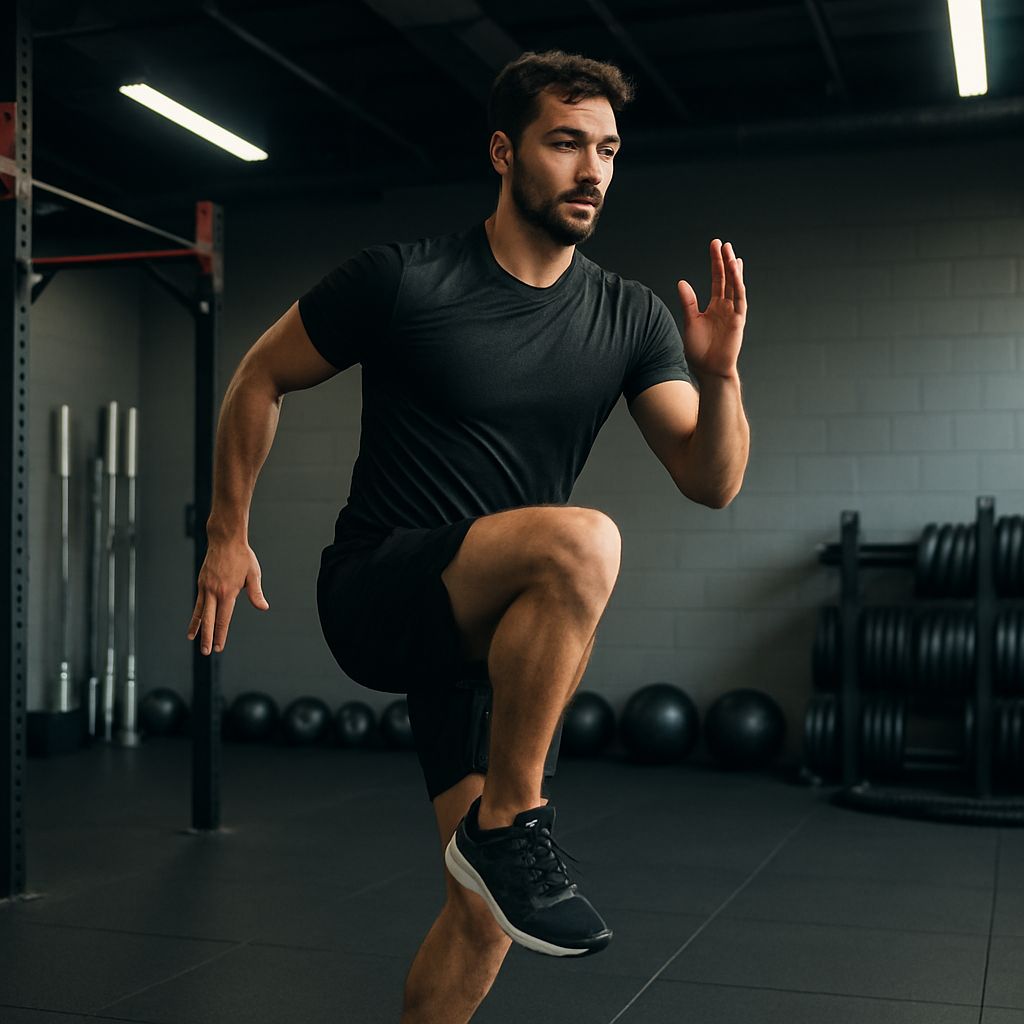
High-intensity interval training works by pushing your cardiovascular system and muscles to near-maximum effort in short bursts, followed by brief recovery periods. That alternating stress-and-recover pattern forces your body to adapt quickly — burning through glycogen stores, recruiting more muscle fibers, and triggering hormonal responses that a moderate jog simply cannot replicate. The result is a fat-burning environment that doesn’t shut off when your timer does.
Sauna suits work differently. Rather than increasing mechanical output, they layer thermal stress on top of your workout, forcing your body to manage heat simultaneously with physical exertion. That dual demand accelerates adaptation, increases caloric expenditure, and — critically — keeps fat oxidation running at elevated levels even after you’ve finished training. Together, HIIT and sauna suits create a compounding effect that neither produces as powerfully alone.
What HIIT Workouts Actually Do to Your Body
Every HIIT session triggers a cascade of physiological responses. Your heart rate spikes to 80–95% of its maximum, your body rapidly depletes stored glycogen, and your muscles produce metabolic byproducts like lactate that signal adaptation. Your nervous system, endocrine system, and cardiovascular system are all firing at once. It’s controlled chaos — and that chaos is exactly what drives change.
Beyond calorie burn during the session itself, HIIT initiates a metabolic state called Excess Post-exercise Oxygen Consumption (EPOC), where your body continues burning calories at an elevated rate as it works to restore homeostasis. This is the mechanism most people call the “afterburn effect,” and it’s one of the primary reasons HIIT outperforms steady-state cardio for fat loss over time.
The Afterburn Effect: Why You Keep Burning Calories Post-Workout
EPOC is the physiological process of your body repaying its “oxygen debt” after intense exercise. After a HIIT session, your body must work harder to restore oxygen levels, clear metabolic waste, repair micro-damaged muscle fibers, and normalize hormone levels — all of which require energy. This elevated metabolic state can persist for anywhere from 12 to 24 hours after a high-intensity session, depending on workout duration and intensity. That means a 30-minute HIIT workout is effectively delivering fat-burning benefits well into the following day.
VO2 Max Gains From High-Intensity Interval Training
VO2 max — your body’s maximum rate of oxygen consumption during exercise — is one of the strongest predictors of cardiovascular health and athletic performance. HIIT is one of the most efficient ways to improve it. By repeatedly pushing your cardiovascular system close to its limits, HIIT forces your heart and lungs to become more efficient at delivering and using oxygen. Over several weeks of consistent training, measurable improvements in VO2 max translate to better endurance, faster recovery between sets, and an overall higher aerobic ceiling.
How Long Before HIIT Produces Visible Results
Most people begin noticing physiological changes from HIIT within 2–4 weeks of consistent training — improved energy, reduced breathlessness, and early shifts in body composition. Visible fat loss typically becomes apparent between weeks 4 and 8, depending on training frequency, diet quality, and starting fitness level. Three to four sessions per week is the sweet spot for most people — enough stimulus to drive adaptation without tipping into overtraining.
What Sauna Suits Actually Do to Your Body
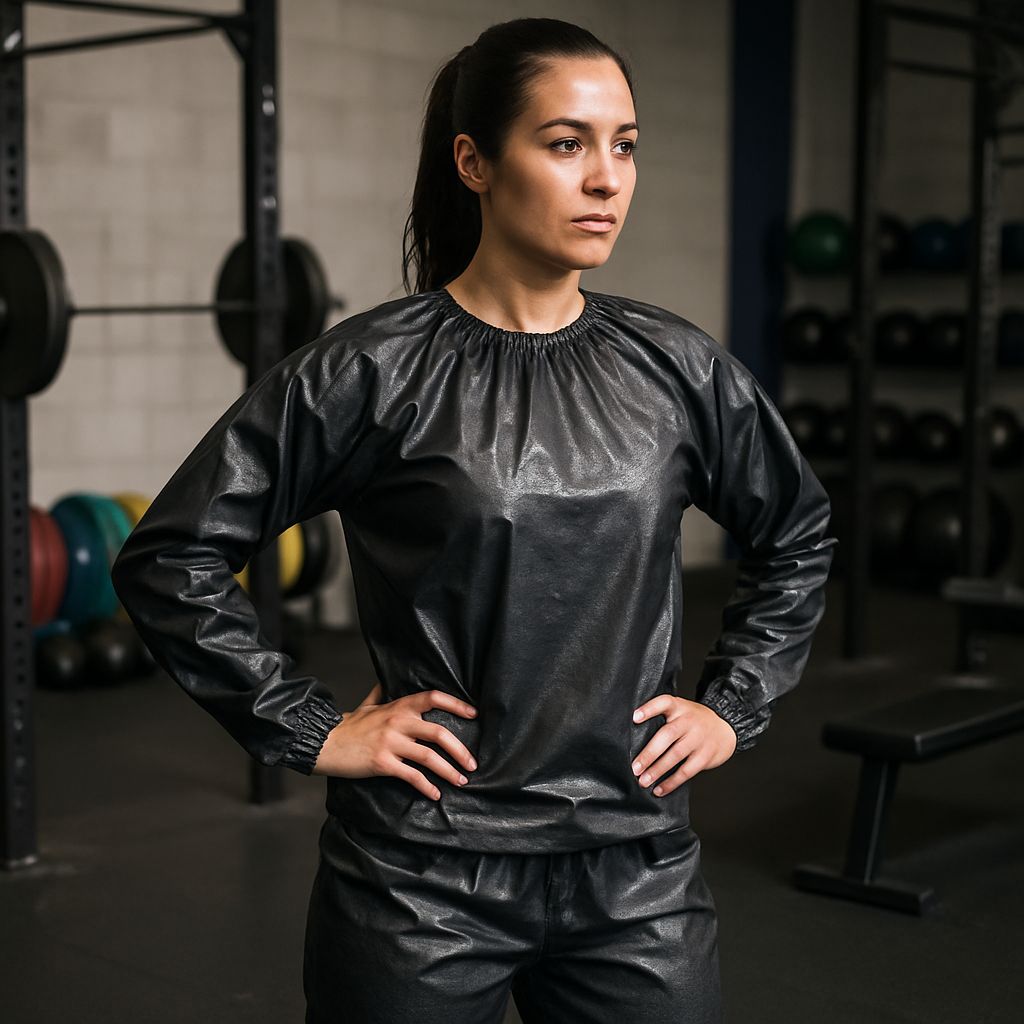
A sauna suit traps heat against your body during exercise, dramatically increasing your core temperature above what standard workout gear allows. Your body responds by activating its thermoregulation systems at full capacity — increasing sweat output, routing blood toward the skin for cooling, and burning additional calories in the process. This isn’t just about sweating more. It’s about creating a physiological challenge that forces adaptation across multiple systems simultaneously.
The key distinction between a sauna suit and simply exercising harder is that the thermal load is independent of mechanical effort. You can be doing a moderate-intensity workout while your cardiovascular and thermoregulatory systems are working at levels equivalent to a much harder effort. That’s a meaningful advantage for people who want to increase the metabolic demand of a workout without increasing the injury risk of training at higher intensities. It’s also why understanding HCG Drops Usage Mistakes to Avoid & Common Errors and similar principles of supplemental tool misuse is important — because how you use any fitness tool matters as much as which one you choose.
Thermogenic Stress and Why It Drives Adaptation
When your body is forced to manage excess heat during exercise, it triggers heat shock proteins — cellular stress responses that drive repair, improve cellular resilience, and support muscle protein synthesis. Repeated exposure to this thermogenic stress accelerates the body’s ability to handle both heat and physical load, which translates to improved endurance performance and faster recovery over time. This is the same principle behind deliberate heat acclimation protocols used by endurance athletes preparing for competitions in hot climates.
Fat Oxidation Stays Elevated for Up to an Hour After Exercise
A 2022 study published in the Journal of Strength and Conditioning Research examined energy expenditure during HIIT performed with and without a sauna suit. The findings were striking. Participants wearing the sauna suit not only burned more calories during the workout itself but also showed significantly elevated fat oxidation — the rate at which the body breaks down fat for fuel — for a full hour after the session ended, compared to those who trained without a suit.
- Sauna suit group burned more calories both during and after the workout
- Fat oxidation remained significantly elevated for 60 minutes post-exercise
- The control group (no suit) showed a faster return to baseline metabolic rate
- The effect was most pronounced in participants performing true high-intensity intervals
That extended fat oxidation window is the detail most people overlook. It’s not just about what happens during your 30-minute workout — it’s about the metabolic environment your workout creates in the hour that follows. For anyone using a 21-Day Smoothie Diet Weight Loss Program or similar structured nutrition approach, pairing it with sauna suit HIIT sessions could meaningfully amplify the overall caloric deficit over time.
The suit also accelerates the warm-up phase of training. Muscles reach optimal working temperature faster when thermal stress is applied externally, which can reduce soft tissue injury risk early in a session and allow higher-quality efforts from the very first interval.
Heat Acclimation and Endurance Performance Improvements
Regular training in a sauna suit produces measurable heat acclimation — your body becomes more efficient at cooling itself, tolerating higher core temperatures, and maintaining performance under thermal stress. For endurance athletes, this translates directly to improved race performance in warm conditions. For general fitness enthusiasts, it means your cardiovascular system becomes more robust across a wider range of environmental demands, and your perceived exertion during normal-temperature workouts decreases as your heat tolerance improves.
The Real Science Behind Sauna Suit Results
Dr. Dalleck’s 8-Week Study: 11.7% VO2 Max Gain vs. 7.3% Without a Suit
- Study duration: 8 weeks of structured exercise training
- Sauna suit group: 11.7% average improvement in VO2 max
- Control group (no suit): 7.3% average improvement in VO2 max
- Sauna suit group also lost significantly more total body weight: 2.6% vs. 0.9%
- Body fat percentage dropped 13.8% in the sauna suit group vs. 8.3% in the control group
The ACE-sponsored research led by Dr. Lance Dalleck produced some of the most compelling data available on sauna suit training. Over eight weeks, participants who trained in sauna suits consistently outperformed their counterparts across every major fitness metric measured. The researchers specifically noted that these findings “support the use of a practical and portable sauna suit as a form of heat acclimation to enhance aerobic capacity and endurance performance.”
What makes this study particularly valuable is that both groups performed the same exercise protocol. The only variable was the sauna suit. That controlled design isolates the thermal stress as the driver of the additional adaptation — it wasn’t a harder workout, just a hotter one. That’s an important distinction for anyone programming their own training.
The cardiovascular improvements alone are worth noting. An 11.7% gain in VO2 max over just eight weeks is a substantial jump — the kind of improvement that typically takes months of progressive aerobic training to achieve through conventional methods. For someone looking to build a stronger aerobic engine in a compressed timeframe, that data point is hard to ignore.
Beyond aerobic capacity, the hormonal and metabolic environment created by consistent sauna suit training appears to support fat mobilization in ways that standard exercise doesn’t fully replicate. The combination of elevated core temperature, increased cardiovascular demand, and enhanced post-exercise fat oxidation creates a fat-loss environment that compounds over weeks of consistent use. Pairing this with a metabolism-supporting supplement like Cardio Slim Tea may further support the body’s ability to sustain elevated fat burning between sessions.
Body Fat Reduction: 13.8% vs. 8.3% in the Control Group
The body fat reduction figures from Dr. Dalleck’s study are where the sauna suit’s real-world impact becomes most tangible. A 13.8% reduction in body fat percentage versus 8.3% in the control group — from identical workouts — represents a 66% greater fat loss outcome simply by adding thermal stress to the training environment. Over months and years of consistent training, that margin compounds into a dramatically different body composition trajectory.
The 2022 JSCR Study on HIIT and Post-Exercise Fat Burning
The 2022 Journal of Strength and Conditioning Research study reinforced Dr. Dalleck’s findings from a different angle, specifically examining what happens metabolically after a HIIT session ends. The data confirmed that fat oxidation — the body’s rate of breaking down stored fat for energy — remained significantly elevated for a full 60 minutes post-exercise in participants who wore a sauna suit during HIIT, compared to those who did not. This post-exercise fat oxidation window is where the real long-term body composition advantage accumulates, session after session.
Sauna Suit Weight Loss: What’s Real and What’s Not
Walk off a treadmill after 30 minutes in a sauna suit and the scale might read 1–3 pounds lighter than when you started. That number feels motivating — but it’s almost entirely water weight lost through sweat, and it will return the moment you rehydrate. This is the most common misunderstanding about sauna suits, and it’s the reason they get dismissed as gimmicks by people who only look at the immediate number on the scale.
The real weight loss story with sauna suits is not about what happens in the 30 minutes you’re wearing one. It’s about the cumulative metabolic shifts that occur over weeks of consistent use — increased VO2 max, sustained post-exercise fat oxidation, improved heat tolerance, and the compounding effect of a higher daily caloric expenditure. None of those adaptations show up on a scale the same day you train. They show up in how your clothes fit six weeks later.
This is also why nutrition strategy matters so much when incorporating sauna suits into a training plan. The suit amplifies the fat-burning environment your workout creates, but it cannot outwork a caloric surplus. Combining consistent sauna suit training with a structured approach like reading about Expert Customized Detox Plans for Fast Results: Tips & Strategies can help align your nutrition with the metabolic demands of your new training intensity.
Why the 1–3 lbs You Lose Immediately Comes Right Back
Sweat is your body’s primary cooling mechanism, and training in a sauna suit dramatically increases your sweat rate. The weight you lose during a session in a sauna suit is almost entirely water — lost from plasma volume, interstitial fluid, and intracellular compartments. As soon as you drink water and your kidneys regulate fluid balance, that weight returns. This is not fat loss. It is fluid redistribution, and confusing the two leads to frustration and unrealistic expectations.
What this means practically is that you should never use post-workout scale weight as your metric for sauna suit effectiveness. Instead, track body fat percentage, circumference measurements, and fitness performance markers like VO2 max or workout capacity over a 4–8 week period. Those numbers will tell the real story of what the suit is doing to your body.
Long-Term Body Composition Changes With Consistent Use
When you train consistently in a sauna suit over 6–8 weeks, the body composition changes that emerge are driven by real physiological adaptation — not fluid loss. Increased fat oxidation during and after each session, a higher metabolic rate from improved cardiovascular efficiency, and the muscle-preserving effect of heat shock proteins all contribute to a leaner body over time. These are the same mechanisms that produced the 13.8% body fat reduction seen in Dr. Dalleck’s study participants.
The compounding nature of these adaptations is what makes long-term sauna suit use genuinely powerful. Each session builds on the last — improving heat tolerance, pushing VO2 max higher, and extending the post-exercise fat oxidation window further. By week 6–8, your body is operating in a fundamentally more efficient fat-burning state than it was when you started. Those looking for additional hormonal support alongside this process might explore Natural GLP-1 Enhancement Without Needles, Prescriptions Or Side Effects as a way to further support metabolic efficiency without pharmaceutical intervention.
- Track body fat percentage every 2 weeks, not daily scale weight
- Measure waist, hip, and thigh circumference monthly for body composition data
- Log workout performance metrics like reps completed, interval times, and recovery heart rate
- Use progress photos every 4 weeks as a visual confirmation of body composition shifts
Patience is the most underused tool in any transformation program. The athletes and fitness enthusiasts who see the most dramatic long-term results from sauna suit training are the ones who commit to a full 8-week block and measure success with the right metrics from the start.
HIIT vs. Sauna Suits: Which Delivers Faster Results
If you had to pick just one, HIIT delivers faster initial results for most people — primarily because it directly drives caloric expenditure, metabolic conditioning, and muscle engagement in ways that don’t require any additional equipment or heat exposure. Within 2–4 weeks of consistent HIIT training, measurable improvements in fitness and early body composition shifts are achievable. The barrier to entry is lower, the research base is broader, and the scalability across fitness levels is excellent.
But the better question isn’t which one is faster — it’s which combination is most effective. The data from Dr. Dalleck’s study and the 2022 JSCR research both point to the same conclusion: sauna suits amplify the results of exercise, and HIIT is the optimal exercise modality to pair them with. Used together, you get the metabolic power of high-intensity intervals compounded by the thermogenic and fat-oxidation-boosting effects of heat stress. That combination consistently outperforms either tool used in isolation. For those who want pharmaceutical support alongside their training, Tirzepatide and Semaglutide represent some of the most clinically studied options available today.
How to Combine HIIT and a Sauna Suit for Maximum Results
The combination works best when you approach it progressively. Don’t put on a sauna suit for your first HIIT session and push to maximum intensity — that’s how you end up dizzy, dehydrated, or worse. Instead, introduce the suit gradually over 1–2 weeks at moderate intensity while your thermoregulatory system adapts to the added thermal load. Once heat tolerance improves, you can increase intensity to your normal HIIT effort levels without the same physiological risk.
Structure your sauna suit HIIT sessions the same way you’d structure standard HIIT: a 5-minute warm-up, 20–30 minutes of work intervals, and a proper cool-down period. The difference is that you should remove the suit immediately after your final interval and begin active cooling — light movement, cool water on your skin, and deliberate rehydration. Treating the post-session cool-down as seriously as the workout itself is a non-negotiable part of safe sauna suit training.
The Right Exercise Intensity to Pair With a Sauna Suit
Moderate-to-high intensity is the sweet spot when wearing a sauna suit — targeting 70–85% of your maximum heart rate during work intervals rather than all-out sprints. At maximum intensity, your body’s thermoregulatory capacity can become overwhelmed when additional heat stress is layered on top, increasing the risk of heat exhaustion. Training at 70–85% still delivers significant EPOC and fat oxidation benefits while keeping thermal load within a manageable range.
As your heat tolerance improves over 3–4 weeks of consistent training, you can push closer to the 85–90% range for shorter intervals. The key is monitoring how your body responds — if you experience dizziness, nausea, or disorientation, those are signals to reduce intensity immediately, remove the suit, and cool down. Performance improvements should feel challenging but controlled, not dangerous.
Hydration Rules You Cannot Ignore
Dehydration is the primary risk associated with sauna suit training, and it compounds quickly during high-intensity exercise. Drink at least 16–20 oz of water in the hour before your session, sip 6–8 oz every 15–20 minutes during training, and consume at least 20–24 oz in the 30 minutes following your workout. For sessions longer than 30 minutes, consider an electrolyte supplement to replace sodium, potassium, and magnesium lost through heavy sweating. These aren’t suggestions — dehydration during sauna suit training can escalate from mild to dangerous faster than most people expect.
How to Build Up Sauna Suit Use Without Overloading Your Body
Start with two sauna suit sessions per week at 60–65% of your maximum heart rate, keeping sessions to 20 minutes maximum. After 7–10 days, increase to three sessions per week and extend duration to 25–30 minutes if you’re tolerating the heat well. By weeks 3–4, you can introduce HIIT-level intensities within those sessions. This progressive approach gives your cardiovascular and thermoregulatory systems time to adapt at each stage, reducing risk while still building toward the full metabolic benefit of combined HIIT and sauna suit training.
Sauna Suit vs. Traditional Sauna: Key Differences
Both tools use heat to drive physiological adaptation, but the way they deliver that heat — and the context in which your body receives it — creates meaningfully different outcomes. A traditional sauna exposes your body to dry or steam heat while you sit passively, typically at temperatures between 150°F and 195°F. A sauna suit, by contrast, traps your body’s own metabolic heat during active exercise, creating a dynamic thermal environment that interacts with cardiovascular output in real time.
That distinction matters more than most people realize. Passive heat exposure in a traditional sauna still produces real benefits — improved circulation, relaxation of soft tissue, and some heat acclimation. But it doesn’t produce the same EPOC effect, fat oxidation response, or VO2 max gains that come from combining thermal stress with physical exertion. The sauna suit wins specifically because it applies heat during the moment of maximum metabolic demand.
Active Heat Stress vs. Passive Heat Exposure
When you exercise in a sauna suit, your body is simultaneously managing cardiovascular output, muscular effort, and thermoregulation. That triple demand creates a compounding adaptation signal that passive sauna use simply cannot replicate. Heat shock proteins are produced, cardiovascular efficiency improves, and fat oxidation is elevated both during and after the session. A traditional sauna produces heat shock proteins and improves circulation — but without the cardiovascular and metabolic load of exercise layered on top, the adaptation signal is less powerful.
Traditional saunas do hold a meaningful edge in one specific area: recovery. The combination of deep tissue warming, increased blood flow, and parasympathetic nervous system activation makes post-workout sauna sessions genuinely effective for reducing delayed onset muscle soreness (DOMS) and accelerating recovery between hard training days. That’s a use case where passive heat wins — not as a fat-loss tool, but as a recovery tool.
- Sauna suit: Elevates fat oxidation during and after exercise, improves VO2 max, drives EPOC — best used as an active training tool
- Traditional sauna: Improves circulation, reduces DOMS, supports parasympathetic recovery — best used post-workout or on rest days
- Caloric burn: Sauna suit produces significantly higher caloric expenditure because physical exertion is combined with thermal stress
- Heat acclimation: Both produce heat acclimation, but the sauna suit does it while simultaneously building cardiovascular fitness
- Risk profile: Both carry dehydration risk; sauna suit risk is higher during intense exercise due to combined cardiovascular and thermal load
The smartest athletes and fitness enthusiasts don’t choose between the two — they use each tool for what it does best. Sauna suits go on during HIIT sessions to maximize fat oxidation and cardiovascular adaptation. Traditional saunas or infrared sauna sessions get used on recovery days to reduce inflammation, improve tissue quality, and prepare the body for the next hard training block.
Neither tool is a shortcut. Both require consistency and intentional use to produce the results the research describes. But together, they cover more physiological ground than either one covers alone.
Which Option Fits Your Training Lifestyle
- You train at home or outdoors: A sauna suit is far more practical — it requires no facility access, costs a fraction of a sauna membership, and integrates directly into your existing workout
- You have access to a gym with a sauna: Use both — sauna suit during your HIIT sessions, traditional sauna for 15–20 minutes post-workout on heavy training days
- You’re focused purely on fat loss: The sauna suit wins for metabolic impact during training; traditional sauna is secondary for this goal
- You’re managing recovery from heavy training volume: Traditional sauna or infrared sauna holds the edge for DOMS reduction and nervous system recovery
- You’re an endurance athlete preparing for warm-weather competition: Either tool produces heat acclimation, but the sauna suit does it while maintaining sport-specific fitness simultaneously
The bottom line on sauna suit vs. traditional sauna is straightforward: if your primary goal is fat loss and improved cardiovascular fitness, the sauna suit is the more effective active training tool. If recovery and stress management are the priority, the traditional sauna earns its place in your routine. The two aren’t competing — they’re complementary.
One practical consideration worth noting is that traditional sauna access requires either a gym membership with sauna facilities or a significant upfront investment in a home unit. A quality sauna suit, by contrast, costs between $30 and $150 and can be used anywhere you train. For most people optimizing a results-focused home or outdoor training program, the sauna suit is simply the more accessible and versatile tool.
Hydration remains equally important regardless of which heat tool you choose. Both traditional saunas and sauna suits dramatically increase fluid and electrolyte loss, and neglecting rehydration after either type of heat exposure will impair recovery, reduce next-session performance, and increase injury risk. Treat post-heat hydration as seriously as you treat the session itself.
If you’re stacking both tools into a weekly training plan, a practical structure looks like this: sauna suit HIIT sessions on training days (3–4 per week), traditional sauna for 15–20 minutes on 1–2 recovery days per week, with deliberate rehydration and electrolyte replacement built into both. That structure leverages the fat-oxidation and cardiovascular benefits of the sauna suit while using the traditional sauna to actively manage recovery — giving you the best of both physiological mechanisms across the full training week.
The Fastest Path to Fitness Results Combines Both Tools
The research is clear and the logic is simple: HIIT drives the most powerful metabolic and cardiovascular adaptations available through exercise, and sauna suits amplify every one of those adaptations. Higher VO2 max gains, greater fat oxidation, more calories burned during and after each session, and faster body composition changes — all from combining two tools that are individually effective and collectively superior. There is no gimmick here, only applied physiology.
The fastest path to the fitness results you’re after isn’t choosing between HIIT and a sauna suit — it’s building a smart, progressive program that uses both intentionally, tracks the right metrics, and supports the training with proper nutrition and recovery. That combination, applied consistently over 6–8 weeks, produces results that outpace virtually any single-tool approach available to a non-pharmacological fitness program.
Frequently Asked Questions
These are the questions that come up most often when people start exploring HIIT and sauna suit training — answered directly with what the research actually supports.
Can You Wear a Sauna Suit During HIIT Workouts Safely?
Yes — with the right precautions in place. The key variables are intensity, hydration, and progressive adaptation. Jumping into maximum-effort HIIT in a sauna suit without prior heat acclimation is where the real risk lies. Start at moderate intensity (65–75% max heart rate), keep sessions under 25 minutes initially, hydrate aggressively before and after, and build intensity over 2–3 weeks as your heat tolerance improves.
Sauna Suit HIIT Safety Checklist
✅ Hydrate with 16–20 oz of water 60 minutes before training
✅ Start at 65–75% max heart rate for the first 2 weeks
✅ Keep initial sessions to 20–25 minutes maximum
✅ Sip 6–8 oz of water every 15–20 minutes during the session
✅ Remove the suit immediately after your final interval
✅ Cool down actively — walk, fan, apply cool water to skin
✅ Consume 20–24 oz of water within 30 minutes post-session
⚠️ Stop immediately if you experience dizziness, nausea, or disorientation
Heat exhaustion is the primary risk, and its early warning signs — lightheadedness, nausea, sudden fatigue disproportionate to effort — should be treated as hard stop signals, not something to push through. The physiological benefits of sauna suit HIIT training are real, but they only accumulate if you train consistently over time. One session that ends in heat exhaustion sets your program back by days.
Individuals with cardiovascular conditions, high blood pressure, or heat sensitivity should consult a physician before combining sauna suit use with high-intensity training. For those exploring medically supervised weight loss and fitness optimization, a Telehealth GLP-1 Weight Loss Prescription consultation can also help identify whether any underlying metabolic factors should shape how aggressively you approach heat-based training.
How Many Days Per Week Should You Train in a Sauna Suit?
Two to three sauna suit sessions per week is the optimal frequency for most people during the first 4–6 weeks of use. This gives your thermoregulatory system adequate time to adapt between sessions while still providing enough stimulus to drive measurable improvements in heat tolerance, VO2 max, and fat oxidation. Training in a sauna suit every day — especially at high intensity — dramatically increases dehydration risk and can impair recovery in ways that undermine the very adaptations you’re training for.
After 6–8 weeks of consistent adaptation, some experienced athletes move to four sauna suit sessions per week while managing the other training days as recovery-focused lower-intensity work. Unless you’re an advanced athlete with a structured periodization plan, two to three sessions per week is the range that produces the best results-to-recovery ratio for the majority of fitness enthusiasts.
Does a Sauna Suit Burn Belly Fat Specifically?
No tool — sauna suit, HIIT, or otherwise — can target fat loss from a specific area of the body. Spot reduction is a persistent fitness myth with no credible scientific support. What a sauna suit does is increase total fat oxidation during and after exercise, which reduces overall body fat percentage over time. Where your body loses fat first is determined by genetics, hormonal profile, and fat distribution patterns — not by where heat is applied or where you feel the burn. That said, as total body fat percentage decreases through consistent HIIT and sauna suit training, the midsection typically shows some of the most visible changes in body composition — simply because it’s often where excess fat accumulates most visibly.
How Does HIIT Compare to Steady-State Cardio for Fat Loss?
HIIT consistently outperforms steady-state cardio for fat loss in research comparisons, primarily because of the EPOC effect and the greater hormonal response it triggers. A 30-minute HIIT session burns more total calories than 30 minutes of moderate-pace steady-state cardio, and the afterburn effect extends caloric expenditure for hours beyond the session’s end. Steady-state cardio has its place — it’s lower impact, more sustainable for high-frequency training, and effective for building aerobic base — but for the specific goal of maximizing fat loss per unit of training time, HIIT wins consistently. Pairing HIIT with a sauna suit extends that advantage even further by amplifying post-exercise fat oxidation beyond what either approach produces alone.
Is a Sauna Suit or a Traditional Sauna Better for Recovery?
For recovery specifically, the traditional sauna holds a meaningful edge. Passive heat exposure at rest activates the parasympathetic nervous system, increases blood flow to muscle tissue, and reduces inflammatory markers associated with exercise-induced muscle damage. These effects are most beneficial in the 24–48 hours following hard training sessions, when active exercise — including in a sauna suit — would add to rather than reduce the recovery demand on your body.
A sauna suit worn during a light active recovery session could theoretically offer some circulatory benefit, but the additional thermoregulatory stress it introduces makes it a suboptimal choice specifically for recovery purposes. The suit’s value is in amplifying hard training sessions — not in replacing the genuine restoration that passive heat provides. Think of them as complementary tools operating in different phases of your training week.
Infrared saunas represent a middle ground worth mentioning. Operating at lower temperatures (120°F–150°F) than traditional Finnish saunas, infrared units penetrate tissue more deeply and are often better tolerated for longer sessions by people sensitive to extreme heat. The recovery benefits are comparable to traditional saunas for most users, and the lower ambient temperature makes them more accessible for people who find conventional saunas uncomfortably intense.
| Recovery Tool | Best Use Case | Session Length | Timing |
|---|---|---|---|
| Traditional Sauna | DOMS reduction, circulation | 15–20 minutes | Post-workout or rest day |
| Infrared Sauna | Deep tissue recovery, relaxation | 20–30 minutes | Rest day or evening post-training |
| Sauna Suit (Light Session) | Active recovery movement | 15–20 minutes at low intensity | Day after hard training, low HR only |
| Cold Water Immersion | Acute inflammation reduction | 10–15 minutes | Immediately post-hard session |
The most effective recovery protocols for serious HIIT athletes often alternate between heat and cold exposure — using a traditional or infrared sauna to increase circulation and then finishing with a cold shower or ice bath to reduce acute inflammation. This contrast therapy approach is used widely in professional athletic programs and produces measurable improvements in next-day training readiness when applied consistently.
High-Intensity Interval Training (HIIT) workouts have gained popularity due to their efficiency in burning calories and improving cardiovascular health. However, some fitness enthusiasts are exploring the use of sauna suits to enhance their workout results. These suits are designed to increase perspiration, which can potentially lead to temporary weight loss and improved endurance. For those interested in understanding the benefits of sauna suits, it is crucial to use them safely to avoid dehydration and other health risks.