Nutrition and Thermogenic Fat Burners: What to Eat for Best Results
Key Takeaways: What You Need to Know About Food and Thermogenic Fat Loss
- Thermogenic foods like green tea, chili peppers, lean protein, and MCT oil can modestly increase calorie burn by raising your body’s internal temperature and metabolic rate.
- The thermic effect of food (TEF) means protein burns more calories just to digest it than carbs or fats — making it the most powerful macronutrient for fat loss support.
- Eating the wrong foods while using thermogenic fat burners can actually cancel out your results — high-sugar and processed foods spike insulin and shut down fat oxidation.
- Thermogenic supplement options and natural food-based thermogenics work best when your overall diet is dialed in, not as a replacement for it.
- Meal timing, macronutrient balance, and food quality all play critical roles in whether your thermogenic strategy actually delivers results — keep reading to find out how to put it all together.
Most people take thermogenic fat burners and then eat whatever they want — and then wonder why nothing changes.
The truth is, the food choices you make around your thermogenic supplement either amplify its effects or completely neutralize them. Thermogenics are tools, not magic. They work by nudging your metabolism upward, increasing your core temperature slightly, and pushing your body toward fat oxidation — but only if your diet isn’t actively fighting against those processes. At Practical Weight Loss, the focus is always on combining the right nutritional strategy with the right tools to get real, lasting results.
Understanding which foods work with thermogenics — and which ones work against them — is what separates people who see real fat loss from those spinning their wheels. Let’s break it all down.
What Thermogenic Fat Burners Actually Do to Your Body
Thermogenic fat burners work by increasing your body’s internal heat production, a process called thermogenesis. When your body temperature rises slightly, your metabolic rate increases, meaning you burn more calories at rest. Common thermogenic ingredients like caffeine, capsaicin, and green tea extract trigger this process through different pathways — stimulating the nervous system, enhancing fat oxidation, or increasing the release of norepinephrine, a hormone that signals your body to break down fat cells.
But here’s the part most people miss: thermogenics don’t operate in a vacuum. Their ability to raise calorie burn and accelerate fat oxidation is directly influenced by what you eat before, during, and after taking them. Feed your body the right foods, and thermogenics can meaningfully support your fat loss. Feed it processed sugar and inflammatory junk, and you’ve essentially put the brakes on before you even got started.
Diet-Induced Thermogenesis: How Food Creates Heat and Burns Calories
Every time you eat, your body burns calories just to process the food. This is called diet-induced thermogenesis (DIT), also referred to as the thermic effect of food (TEF). Different macronutrients require different amounts of energy to digest and absorb. Protein has a TEF of roughly 20–30%, meaning nearly a third of the calories from protein go toward digesting it. Carbohydrates come in at 5–10%, while dietary fats are the lowest at just 0–3%.
This is why a high-protein diet pairs so powerfully with thermogenic supplements. You’re stacking two fat-burning mechanisms on top of each other — the diet-induced thermogenesis from protein digestion, plus the metabolic boost from your thermogenic compound. Together, they create a sustained elevation in calorie burn throughout the day.
How Thermogenics Affect Your Metabolism and Fat Oxidation
Thermogenic compounds primarily work through the sympathetic nervous system. Caffeine, for example, inhibits adenosine receptors and increases the release of adrenaline, which directly signals fat cells to release stored fatty acids into the bloodstream to be burned for energy. Capsaicin from chili peppers activates TRPV1 receptors, which triggers heat production and increases energy expenditure. Green tea catechins, particularly EGCG, inhibit the enzyme that breaks down norepinephrine — effectively keeping fat-burning signals active longer in your body. Also, various Telehealth GLP-1 Weight Loss Prescription options can supplement a thermogenics protocol for weight loss.
Why Individual Responses to Thermogenics Vary So Widely
Not everyone responds to thermogenic foods and supplements the same way. Genetics play a role in how your body metabolizes caffeine, for instance — some people are fast metabolizers who feel little effect, while slow metabolizers may experience jitteriness even at low doses. Beyond genetics, your current metabolic health, body composition, activity level, and — critically — your diet all determine how much thermogenics will actually move the needle for you.
There are also limitations to keep in mind. The body adapts over time to thermogenic stimulation, which is why cycling supplements and rotating thermogenic food sources can help maintain their effectiveness. Individual results depend heavily on overall diet quality, exercise habits, and consistency — thermogenics enhance a solid plan, they don’t replace one.
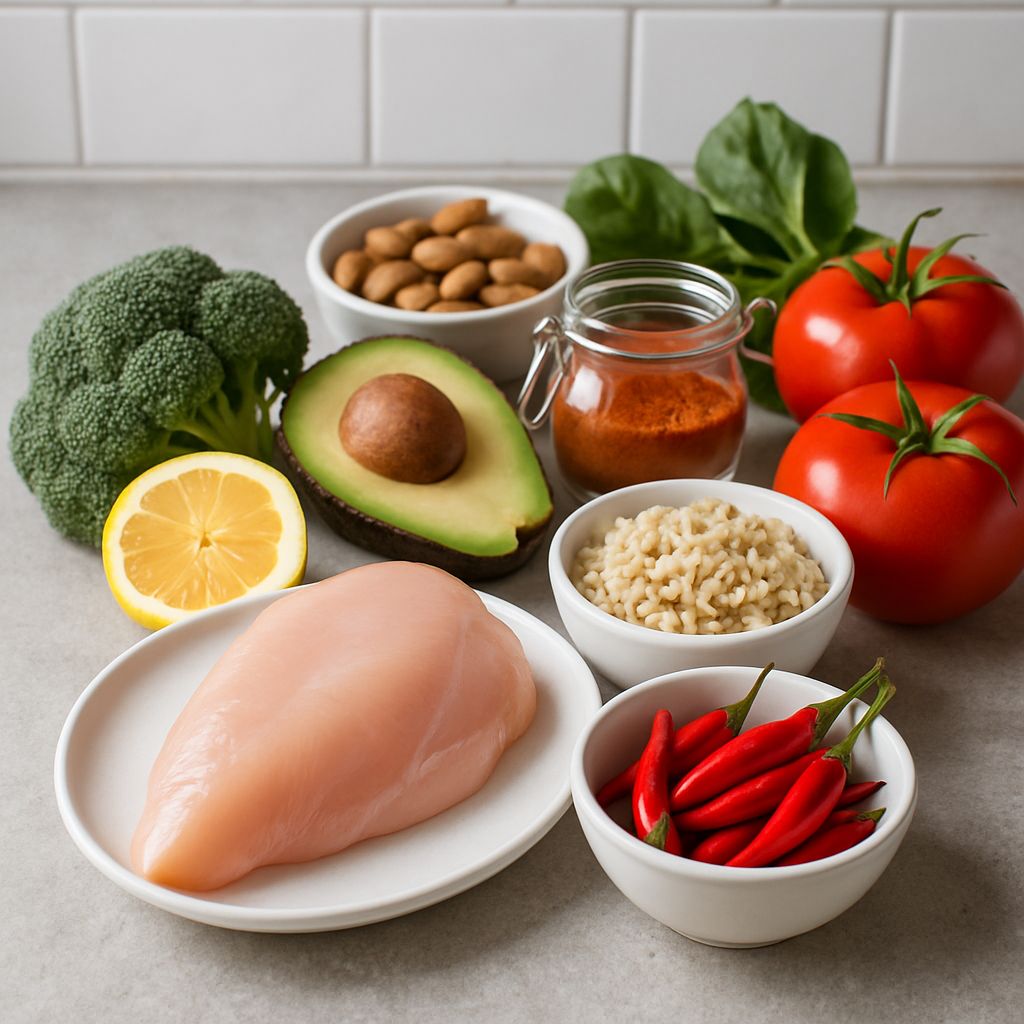
The Best Foods to Eat When Taking Thermogenic Fat Burners
Pairing the right foods with your thermogenic strategy is where real results happen. The following foods have been shown to support thermogenesis, enhance fat oxidation, or increase the thermic effect of food — making them ideal additions to a fat-loss focused diet. For those also exploring workout-based fat burning strategies, the guide on HIIT Workouts vs. Sauna Suits: Fastest Fitness Results Guide pairs well with the nutritional approach covered here.
1. Green Tea: Catechins and Caffeine That Amplify Fat Oxidation
Green tea is one of the most well-researched thermogenic foods available. It contains two key compounds that work synergistically: EGCG (epigallocatechin gallate) and caffeine. EGCG inhibits the enzyme COMT, which normally breaks down norepinephrine. With that enzyme inhibited, norepinephrine stays active longer in your system, keeping fat cells signaled to release fatty acids. The caffeine in green tea amplifies this effect by stimulating the nervous system independently. Drinking 2–4 cups daily or using a high-quality green tea extract can meaningfully support your thermogenic program without adding significant calories.
2. Chili Peppers: Capsaicin Raises Core Temperature and Calorie Burn
Capsaicin, the active compound in chili peppers, is a potent thermogenic agent. It activates TRPV1 receptors in the body, which trigger heat production and increase energy expenditure. Research has shown that capsaicin can temporarily increase metabolic rate and enhance fat oxidation, particularly when consumed consistently over time. Adding fresh chili, cayenne pepper, or chili flakes to your meals is a simple, low-calorie way to stack a natural thermogenic effect on top of any supplement you’re already using. Even modest amounts — as little as 2mg of capsaicin — have shown measurable effects on calorie burn in studies.
3. Lean Protein: The Highest Thermic Effect of Any Macronutrient
Of all the foods that support fat loss, lean protein is the most powerful from a thermogenic standpoint. With a thermic effect of 20–30%, your body burns a significant chunk of protein calories just breaking them down. Beyond TEF, protein supports lean muscle mass, which itself increases your resting metabolic rate. The best sources include chicken breast, turkey, white fish, egg whites, Greek yogurt, and lean cuts of beef. Targeting 0.7–1g of protein per pound of bodyweight daily is a practical starting point for most people pursuing fat loss. If you want a convenient way to hit those protein targets while supporting your metabolism, a structured program like the 21-Day Smoothie Diet Weight Loss Program can help you build consistent, protein-rich habits without overthinking meal prep.
4. MCT Oil: Fast-Burning Fats That Boost Energy Expenditure
Medium-chain triglycerides (MCTs) are a unique type of fat that bypasses the normal fat digestion process. Instead of being stored, MCTs are rapidly transported to the liver and converted into ketones for immediate energy use. This metabolic pathway increases thermogenesis and has been shown to slightly elevate calorie expenditure compared to long-chain fats. Adding 1–2 tablespoons of MCT oil to your coffee, smoothie, or salad dressing is a practical way to incorporate this thermogenic fat into your daily routine without drastically increasing overall calorie intake.
5. Ginger: Anti-Inflammatory Compound That Supports Metabolic Rate
Ginger is often overlooked in thermogenic food lists, but it delivers real metabolic benefits backed by solid research. The active compounds in ginger — gingerols and shogaols — have been shown to increase thermogenesis and enhance fat oxidation. Beyond its direct metabolic effects, ginger also reduces chronic low-grade inflammation, which is a known suppressor of metabolic efficiency. A body dealing with persistent inflammation has a harder time burning fat, making ginger’s anti-inflammatory action doubly valuable in a fat-loss context.
Practically speaking, fresh ginger is more potent than dried, but both forms deliver meaningful benefits. Adding a thumb-sized piece of fresh ginger to hot water in the morning, incorporating it into stir-fries, or blending it into smoothies are all effective delivery methods. Ginger also pairs exceptionally well with green tea, creating a natural thermogenic beverage that stacks two fat-burning compounds in one cup.
One underrated benefit of ginger is its effect on satiety and digestion. It accelerates gastric emptying in a way that reduces bloating and improves nutrient absorption — meaning your body is better positioned to actually use the protein and micronutrients you’re consuming to support lean muscle and metabolic rate. For anyone pairing food-based thermogenics with a supplement strategy, ginger is one of the lowest-effort, highest-return additions you can make.
Quick Reference: Top Thermogenic Foods and Their Primary Mechanisms
Food Active Compound Primary Thermogenic Mechanism Green Tea EGCG + Caffeine Inhibits COMT enzyme, prolongs norepinephrine activity Chili Peppers Capsaicin Activates TRPV1 receptors, raises core temperature Lean Protein Amino Acids Highest thermic effect of food (20–30% TEF) MCT Oil Medium-Chain Triglycerides Rapid liver conversion to ketones, increases energy expenditure Ginger Gingerols + Shogaols Increases thermogenesis, reduces inflammatory suppression of metabolism Coffee Caffeine Stimulates CNS, triggers adrenaline-driven fat cell release
6. Coffee: Caffeine Synergy With Most Fat Burner Formulas
Coffee is one of the most effective natural thermogenics you can consume, and it’s already in most people’s daily routine. Caffeine stimulates the central nervous system, increases adrenaline release, and directly signals fat cells to break down stored fat and release it into the bloodstream. A standard 8oz cup of black coffee contains roughly 95mg of caffeine — enough to produce a measurable thermogenic effect. The key consideration when drinking coffee alongside a thermogenic supplement is total caffeine load. Many fat burner formulas already contain 150–200mg of caffeine per serving, so stacking a full cup of coffee on top can push you into a range that causes jitteriness, elevated heart rate, or disrupted sleep. Timing your coffee strategically — separate from your supplement dose or replacing it rather than adding to it — keeps the benefits without the side effects.
Foods That Undermine Your Fat Burner Results
Just as certain foods amplify thermogenic effects, others directly interfere with fat oxidation, suppress metabolic rate, and create hormonal conditions in the body that make fat loss nearly impossible regardless of what supplements you’re taking. Knowing what to avoid is just as important as knowing what to eat.
High-Sugar Foods That Spike Insulin and Block Fat Burning
Insulin is your body’s primary storage hormone. When blood sugar spikes — from sugary drinks, candy, white bread, pastries, or even fruit juice — your pancreas releases a surge of insulin to clear that sugar from the bloodstream. The problem is that elevated insulin levels essentially flip a switch in your body that turns off fat burning and turns on fat storage. No thermogenic supplement can override a chronically elevated insulin environment. If your diet is regularly spiking insulin, your fat cells are in storage mode, and all the green tea, capsaicin, and caffeine in the world won’t change that. Keeping added sugar under 25–30g per day and eliminating liquid sugar sources entirely is one of the highest-leverage moves you can make to let your thermogenic strategy actually work.
Processed Foods That Slow Metabolism and Increase Inflammation
Ultra-processed foods — think packaged snacks, fast food, frozen meals loaded with additives, and refined grain products — do significant damage to your metabolic environment in multiple ways. First, they tend to be calorie-dense and nutrient-poor, meaning they don’t trigger adequate satiety signals and are easy to overconsume without realizing it. Second, the refined oils, artificial additives, and high sodium content in processed foods drive systemic inflammation, which directly suppresses metabolic efficiency.
Chronic inflammation interferes with leptin and insulin signaling — two hormones that regulate hunger and fat storage. When these signals are disrupted, your body becomes resistant to normal fat-burning cues. You stay hungry even when you’ve eaten enough, and your body holds onto fat more aggressively. Thermogenic supplements work partly by influencing these same hormonal pathways, so consuming foods that chronically disrupt them is essentially working against your own supplement stack.
There’s also the issue of gut health. A diet high in processed foods damages the gut microbiome, reducing the diversity of beneficial bacteria that play a direct role in metabolic regulation and inflammation control. An unhealthy gut is increasingly linked to metabolic slowdown and increased fat storage — particularly around the abdomen. For anyone serious about fat loss, supporting gut health through a whole food diet is non-negotiable. The Rapid Weight Loss Colon Cleanse Guide And Tips offers practical insight into how gut health connects directly to fat loss outcomes.
The bottom line is straightforward: processed foods don’t just add empty calories — they actively dismantle the metabolic and hormonal conditions your thermogenic foods and supplements depend on to work. Cutting them out isn’t about perfection, but minimizing them as much as possible is essential to seeing real results.
- Sugary beverages — sodas, fruit juices, sweetened coffees, and energy drinks spike insulin rapidly and provide zero satiety
- Refined grain products — white bread, pasta, crackers, and pastries convert quickly to glucose and promote fat storage
- Packaged snack foods — chips, cookies, and processed bars are engineered to override fullness signals and drive overconsumption
- Fast food and fried foods — high in inflammatory refined oils that suppress metabolic signaling and promote visceral fat accumulation
- Artificial sweeteners in excess — may disrupt gut microbiome composition and interfere with insulin sensitivity over time

How Macronutrient Balance Affects Thermogenic Results
Getting your macronutrient ratios right is the structural foundation that determines whether your thermogenic strategy succeeds or stalls. Thermogenic supplements work on top of your diet — they don’t restructure it. If your macros are off, the most potent fat burner on the market will only get you so far. The goal is to build a macronutrient framework that naturally elevates thermogenesis, preserves lean muscle, stabilizes blood sugar, and keeps energy high enough to train hard and recover well.
A practical starting point for most people pursuing fat loss with a thermogenic approach is a macronutrient split weighted heavily toward protein, with moderate complex carbohydrates timed around activity, and strategic use of healthy fats. This isn’t about rigid tracking forever — it’s about understanding the role each macronutrient plays in your fat-burning environment and making informed food choices that support it consistently. For those exploring pharmaceutical support alongside dietary changes, understanding the difference between Tirzepatide and Semaglutide can help clarify which medical weight loss approach best complements a thermogenic nutrition plan.
Why Protein Should Dominate Your Plate
Protein isn’t just a muscle-building nutrient — it’s the most thermogenic macronutrient you can consume. With a thermic effect of 20–30%, a significant portion of the calories from protein are burned off during digestion itself. This means a 500-calorie protein-rich meal functionally delivers fewer net calories than a 500-calorie high-fat or high-carb meal. Beyond TEF, protein is critical for preserving lean muscle mass during a caloric deficit. Muscle tissue is metabolically expensive — it burns more calories at rest than fat tissue — making every pound of muscle you preserve an ongoing contribution to your resting metabolic rate.
Prioritizing protein at every meal also dramatically improves satiety. Protein suppresses ghrelin (the hunger hormone) more effectively than carbohydrates or fats, which means you’re less likely to overeat between meals or reach for high-sugar snacks that derail your fat-burning state. Aim to build every meal around a quality protein source first, then fill in the rest of your plate with vegetables, complex carbs, and healthy fats.
The Right Carbohydrates to Fuel Workouts Without Storing Fat
Carbohydrates aren’t the enemy in a thermogenic fat-loss plan — the wrong carbohydrates at the wrong times are. Complex, fiber-rich carbohydrates like sweet potatoes, oats, quinoa, legumes, and brown rice digest slowly, providing a steady release of glucose that fuels workouts without spiking insulin dramatically. Timing these carbohydrates around your training sessions — consuming them in the meal before your workout or in the post-workout recovery window — ensures they’re used for energy and muscle glycogen replenishment rather than being converted to fat. Outside of those windows, leaning toward non-starchy vegetables and protein as your primary food sources keeps insulin stable and fat oxidation running at full capacity.
Healthy Fats That Support Fat Burning Rather Than Halt It
Dietary fat does not inherently cause fat storage — the type and quantity of fat you consume determines whether it supports or hinders your fat-loss goals. Omega-3 fatty acids from sources like salmon, sardines, walnuts, and flaxseed actively reduce inflammation and have been shown to improve insulin sensitivity, creating a hormonal environment more conducive to fat burning. Monounsaturated fats from avocado and olive oil support cell membrane health and hormonal production without driving the inflammatory cascade that refined seed oils create. MCT oil, as discussed earlier, takes it a step further by directly contributing to thermogenesis. Keeping total fat intake moderate — roughly 25–35% of total calories from quality fat sources — supports hormone function without pushing overall calorie intake too high. Pairing healthy fats with a herbal metabolic support like Cardio Slim Tea can further complement the anti-inflammatory and fat-oxidation benefits you’re building through your food choices.
Meal Timing Strategies That Maximize Thermogenic Effects
When you eat matters nearly as much as what you eat when you’re working with thermogenic foods and supplements. Your body’s metabolic rate fluctuates throughout the day in response to circadian rhythms, hormonal cycles, and physical activity — and aligning your meals and supplement timing with these natural fluctuations can meaningfully amplify your fat-burning output. A poorly timed high-carbohydrate meal late at night, for example, lands in a completely different metabolic environment than the same meal consumed two hours before a training session.
The Optimal Window to Take Fat Burners Around Meals
Most thermogenic fat burner supplements are best taken 30–45 minutes before meals or before exercise rather than immediately after eating. Taking them in a fasted or semi-fasted state — such as first thing in the morning before breakfast or between meals — allows the active compounds to elevate metabolic rate without competing with the digestive demands of a large meal. For stimulant-based thermogenics containing caffeine or synephrine, avoiding them within 6 hours of bedtime is critical to protecting sleep quality. Poor sleep independently suppresses fat burning, elevates cortisol, and increases hunger the following day — completely undermining the thermogenic benefits you worked for during waking hours. For individuals looking for a non-stimulant alternative that works around the clock, Natural GLP-1 Enhancement Without Needles, Prescriptions Or Side Effects represents an option that supports metabolic signaling without the caffeine timing concerns.
Pre-Workout Nutrition That Amplifies Thermogenic Activity
What you eat in the 60–90 minutes before training has a direct impact on how hard your thermogenic compounds can work during your workout. The goal of pre-workout nutrition in a fat-loss context is to provide enough fuel to train intensely without spiking insulin so high that fat oxidation shuts down. A moderate serving of complex carbohydrates combined with a solid protein source hits that balance well. Think 30–40g of protein from chicken, Greek yogurt, or a quality protein shake, paired with a half-cup of oats or a medium sweet potato. This combination provides sustained energy through training while keeping blood sugar stable enough to maintain fat-burning conditions.
Thermogenic compounds consumed in this pre-workout window — whether from food sources like green tea and chili, or from a dedicated fat burner supplement — are working in an environment primed for fat oxidation. Your body temperature is rising with physical activity, your sympathetic nervous system is already activated, and circulating fatty acids are available for fuel. Layering thermogenic activity on top of an intense training session, particularly one that combines resistance training with cardiovascular effort, creates a compounding calorie-burn effect that extends well beyond the workout itself. The strategic combination of nutrition, timing, and movement is what separates modest results from transformative ones.
Who Should Be Cautious With Thermogenic Fat Burners
Thermogenic foods and supplements are not universally appropriate for everyone. While whole-food thermogenics like green tea and ginger carry minimal risk for most healthy adults, concentrated thermogenic supplements — particularly those containing high doses of caffeine, synephrine, or bitter orange extract — carry real considerations that should not be glossed over. Anyone with cardiovascular disease, high blood pressure, arrhythmia, anxiety disorders, thyroid conditions, or a history of adrenal dysfunction should approach stimulant-based thermogenics with significant caution and consult a healthcare provider before use. Pregnant or breastfeeding women should avoid thermogenic supplements entirely, defaulting to whole-food thermogenic sources only and only under medical guidance.
Beyond diagnosed conditions, there are lifestyle and situational factors that increase risk. People who are highly sensitive to caffeine, those already consuming large amounts of coffee or pre-workout supplements, and anyone managing significant chronic stress with elevated cortisol levels should be particularly careful. High cortisol already suppresses metabolic efficiency and promotes abdominal fat storage — adding stimulant thermogenics into a cortisol-elevated environment can worsen the hormonal disruption rather than improve it. Starting with food-based thermogenics and lower-dose supplements before progressing to high-stimulant formulas is the sensible approach for most people.
Thermogenic Caution Reference Guide
Profile Risk Level Recommended Approach Healthy adults, no conditions Low Food-based and moderate supplement thermogenics appropriate High caffeine sensitivity Moderate Stick to food-based thermogenics; avoid stimulant supplements High blood pressure or heart conditions High Consult physician; avoid stimulant-based thermogenic supplements Anxiety or adrenal dysfunction High Avoid stimulant thermogenics; focus on anti-inflammatory food sources Pregnant or breastfeeding Very High Avoid all thermogenic supplements; use only whole food sources under medical guidance Elevated chronic stress / high cortisol Moderate–High Prioritize sleep, stress management, and food-based thermogenics before supplementing
The most important takeaway here is that thermogenic supplements are not a one-size-fits-all solution. Matching the intensity and type of your thermogenic approach to your individual health status is what keeps the strategy both safe and effective. When in doubt, working with a knowledgeable healthcare provider or registered dietitian ensures you’re optimizing fat loss without creating unnecessary physiological stress.
Thermogenic Foods vs. Thermogenic Supplements: Which Wins
The honest answer is that neither wins outright — they serve different roles and work best together. Thermogenic foods like green tea, chili peppers, lean protein, MCT oil, and ginger provide a sustained, low-level boost to metabolic rate with minimal risk, a broad spectrum of additional nutritional benefits, and effects that compound over time when consumed consistently. They don’t deliver the acute, measurable spike in metabolic rate that a concentrated supplement can produce, but they also don’t come with the tolerance buildup, sleep disruption, or cardiovascular considerations that high-stimulant supplements can create. Food-based thermogenics are the foundation — they build the metabolic environment that everything else operates within.
Thermogenic supplements, when chosen thoughtfully and used appropriately, can meaningfully accelerate results beyond what food alone achieves. Concentrated doses of EGCG, caffeine, capsaicin extract, or synephrine can produce a more pronounced and immediate metabolic effect than you’ll get from drinking a cup of green tea. The key is using them strategically — as a tool layered on top of a solid thermogenic diet, not as a substitute for one. The winning combination is a diet built around high-TEF foods and natural thermogenic compounds, supplemented with a well-formulated product that fills the gaps and amplifies the overall effect. One approach without the other leaves meaningful results on the table.
Build Your Diet Around Fat Loss, Not Just Your Supplements
The biggest mistake people make in their fat-loss journey is treating supplements as the primary strategy and diet as an afterthought. Thermogenic supplements are amplifiers — they take a well-constructed diet and push the results further. They cannot compensate for a diet built on processed food, excess sugar, poor protein intake, and chronically elevated insulin. The metabolic conditions your body needs to burn fat efficiently have to be created through food choices first, and then supplements can add meaningful acceleration on top of that foundation.
Building a diet optimized for fat loss with thermogenic support isn’t complicated, but it does require intentionality. Every meal should have a clear protein anchor — chicken, fish, eggs, Greek yogurt, or lean beef — because protein simultaneously delivers the highest thermic effect, supports lean muscle preservation, and controls hunger more effectively than any other macronutrient. Around that protein, you build with fiber-rich vegetables, strategically timed complex carbohydrates, and quality fats that support hormonal function without excess calories. Natural thermogenic foods — green tea, ginger, chili, MCT oil, and coffee — get woven into this structure wherever they fit naturally, compounding the metabolic environment you’re creating meal by meal.
Consistency over perfection is the operating principle here. The cumulative effect of eating thermogenically supportive foods day after day, maintaining high protein intake, keeping blood sugar stable, and supporting gut health creates a metabolic momentum that makes fat loss feel far less like a struggle. Thermogenic supplements then give that already-efficient system an additional push — and that’s when people start seeing the kind of results they were hoping for from the start.
- Anchor every meal with protein — aim for 30–40g per meal to maximize the thermic effect and control hunger throughout the day
- Incorporate at least two natural thermogenic foods daily — rotate between green tea, chili, ginger, MCT oil, and coffee to prevent tolerance buildup
- Time complex carbohydrates around training — pre- and post-workout windows are when carbs fuel performance and recovery rather than fat storage
- Eliminate liquid sugar entirely — sugary drinks are the fastest way to shut down fat oxidation regardless of what supplements you’re taking
- Prioritize sleep and stress management — poor sleep and high cortisol suppress fat burning at the hormonal level, undermining even the best thermogenic strategy
- Use supplements strategically, not desperately — choose thermogenic formulas that complement your diet, not ones you’re relying on to compensate for a poor one
The most effective fat-loss strategies are always built on the same core principle: get the fundamentals right first, then amplify with smart supplementation. Practical Weight Loss is dedicated to helping you do exactly that — connecting evidence-based nutrition strategies with the right tools to accelerate your results sustainably.
Frequently Asked Questions
Here are answers to the most common questions about thermogenic foods, supplements, and how to get the most from both.
Can you take thermogenic fat burners on an empty stomach?
Taking thermogenic fat burners on an empty stomach is common practice and can enhance absorption of certain active compounds, particularly caffeine and EGCG. However, for people who are sensitive to stimulants or have a history of digestive sensitivity, taking concentrated thermogenic supplements without food can cause nausea, jitteriness, or gastrointestinal discomfort. A practical middle ground is taking your thermogenic supplement with a small, protein-rich snack — like a handful of almonds or a boiled egg — which slightly buffers absorption without significantly blunting the metabolic effect. Always follow the specific product’s guidance, and reduce the dose initially if you’re new to thermogenic supplementation.
How long does it take for thermogenic foods to show results?
Thermogenic foods produce immediate, short-term effects on metabolic rate and calorie burn — drinking green tea or consuming capsaicin triggers a measurable increase in thermogenesis within 30–60 minutes that lasts for a few hours. However, the fat-loss results you can see on the scale or in body composition take considerably longer. Consistently incorporating thermogenic foods into a well-structured diet typically produces noticeable changes in body composition over 4–8 weeks, depending on overall calorie balance, training frequency, and individual metabolic factors.
It’s also worth noting that the benefits of thermogenic foods compound over time. Consistently consuming high-protein meals, green tea, ginger, and chili peppers doesn’t just produce a daily metabolic bump — it gradually shifts your body’s hormonal and enzymatic baseline in ways that make fat oxidation progressively more efficient. The people who see the best long-term results from thermogenic nutrition are the ones who treat it as a permanent dietary framework, not a short-term intervention.
Do thermogenic fat burners work without exercise?
Thermogenic foods and supplements do increase calorie burn and fat oxidation independent of exercise — their mechanisms work through metabolic and hormonal pathways that don’t require physical activity to activate. However, the magnitude of the effect without exercise is modest. Thermogenics work best when combined with consistent resistance training and cardiovascular activity, which independently elevate metabolic rate, increase lean muscle mass, and amplify fat oxidation. Exercise and thermogenics are synergistic — each makes the other more effective. Relying on thermogenics alone without physical activity will produce some results, but you’re leaving the majority of the potential benefit unrealized.
Can you eat thermogenic foods and take fat burner supplements at the same time?
Yes — and this is actually the optimal approach when done thoughtfully. The key consideration is managing total intake of overlapping compounds, particularly caffeine. If your fat burner supplement already contains 200mg of caffeine per serving, adding multiple cups of coffee or green tea on top of that can push your total daily caffeine intake into a range that causes anxiety, elevated heart rate, or sleep disruption. Monitor your total stimulant load across all sources — food, beverages, and supplements combined — and stay within a range that keeps you feeling energized and focused without tipping into overstimulation. For non-stimulant thermogenic foods like ginger, chili, protein, and MCT oil, there are no meaningful interaction concerns with standard fat burner formulas.
What is the thermic effect of food and why does it matter for fat loss?
The thermic effect of food (TEF) refers to the energy your body expends to digest, absorb, and metabolize the nutrients from a meal. It’s a real calorie burn that happens automatically every time you eat — and the size of that burn depends heavily on what you’re eating. Protein has the highest TEF of any macronutrient at 20–30%, carbohydrates come in at 5–10%, and dietary fats are the lowest at 0–3%. This means the macronutrient composition of your meals directly influences how many net calories you actually absorb from them.
For fat loss, TEF matters because it’s a passive, ongoing contributor to your total daily energy expenditure that requires no additional effort beyond choosing the right foods. A diet consistently high in lean protein and fiber-rich carbohydrates burns meaningfully more calories through digestion than a diet high in processed fats and refined carbohydrates — even at the same total calorie count. Over weeks and months, that difference compounds into a significant additional calorie deficit that supports fat loss without requiring you to eat less.
TEF also interacts directly with thermogenic compounds. When you consume protein alongside green tea or capsaicin, you’re stacking the metabolic elevation from TEF with the thermogenic effect of those compounds simultaneously. The result is a greater and more sustained increase in calorie burn than either would produce alone. This is the practical reasoning behind building meals around protein first and then incorporating natural thermogenic foods alongside them — the synergy between TEF and thermogenesis is one of the most underutilized fat-loss tools available.
Understanding and applying TEF strategically is one of the clearest examples of how precision nutrition outperforms generic calorie counting. It shifts the focus from simply eating less to eating in a way that makes your body work harder to process what you’ve consumed — turning every meal into an active contribution to your fat-loss goals rather than just a number on a tracking app. Visit Practical Weight Loss to explore more evidence-based strategies, tools, and programs designed to help you build a nutrition and lifestyle approach that delivers lasting, real-world results.