Lymphatic Drainage Massage Benefits and Considerations: Is It Right for You?
Key Takeaways: What Lymphatic Drainage Massage Actually Does for Your Body
- Lymphatic drainage massage (MLD) is a clinically proven treatment for lymphedema, particularly after cancer surgery, helping move trapped fluid and reduce swelling.
- The massage works by gently stimulating lymph nodes and vessels just beneath the skin — not deep muscle tissue — making it uniquely different from traditional massage.
- While some benefits like immune support and reduced inflammation are well-supported, claims about detox and weight loss lack strong scientific backing.
- Certain health conditions — including blood clots, heart problems, and active infections — make lymphatic drainage massage potentially dangerous, so always consult a doctor first.
- There are four distinct techniques used by certified therapists, and knowing which one applies to your condition can make a significant difference in results.
Lymphatic Drainage Massage Works — But Not the Way You Think
Most people picture a deep, pressure-heavy massage when they think of bodywork — but lymphatic drainage massage is the complete opposite, and that’s exactly what makes it so effective for the right conditions.
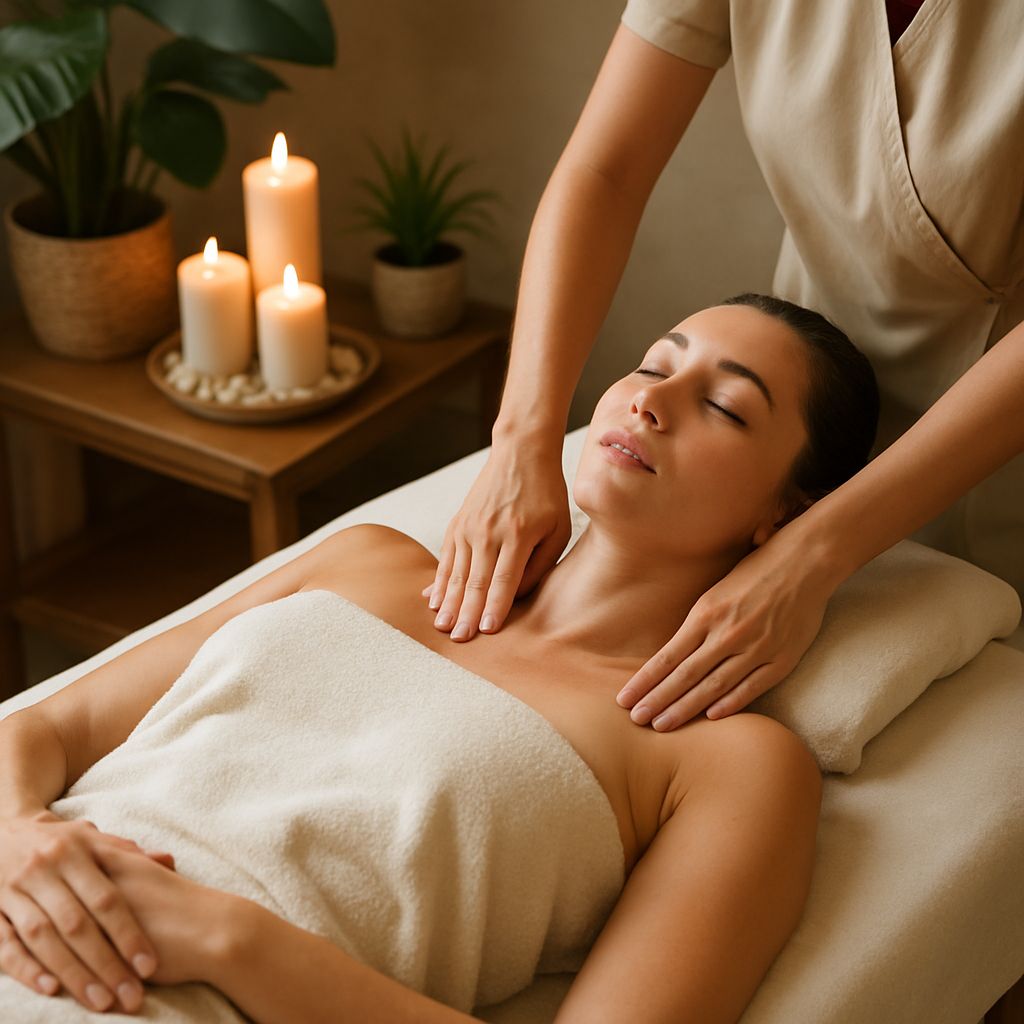
Manual lymphatic drainage (MLD) uses light, rhythmic strokes to stimulate the lymphatic system just beneath the surface of your skin. The pressure is deliberately gentle — think the weight of a nickel on your skin. This subtle technique is designed to encourage sluggish or blocked lymph fluid to move toward your lymph nodes, where it can be properly filtered and expelled from the body. Rapid Weight Loss Colon Cleanse Guide And Tips covers a complementary approach to supporting your body’s natural detox pathways if you’re looking to combine strategies for overall wellness.
What surprises many people is that this isn’t a spa trend — it’s a medically recognized therapy with specific clinical applications. Understanding what it actually does, and doesn’t do, helps you make an informed decision about whether it belongs in your wellness routine.
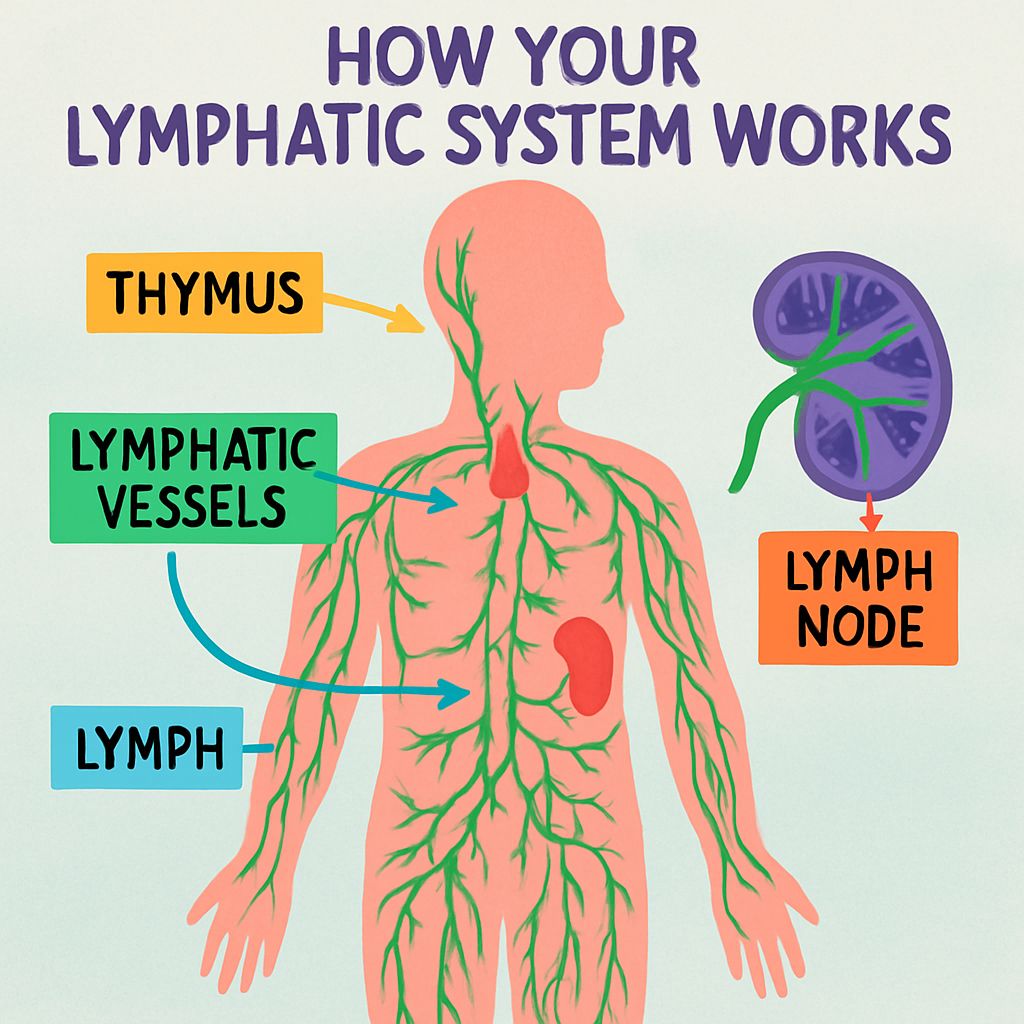
How Your Lymphatic System Works
Your lymphatic system is one of the most underappreciated systems in your body. It’s a vast network of vessels, nodes, and organs that runs parallel to your circulatory system and plays a critical role in immune function, fluid balance, and waste removal.
The Role of Lymph Fluid in Your Body
Lymph fluid is a clear, protein-rich liquid that collects waste products, bacteria, and damaged cells from your body’s tissues. It travels through lymph vessels to lymph nodes — small, bean-shaped structures found in clusters in your neck, armpits, groin, and abdomen. These nodes filter the fluid and neutralize threats before the cleaned lymph re-enters your bloodstream. Unlike your heart, which pumps blood continuously, your lymphatic system has no central pump. It relies entirely on muscle movement, breathing, and external stimulation to keep fluid flowing.
What Happens When Lymph Flow Gets Blocked
When your lymphatic system becomes blocked or damaged — through surgery, infection, cancer treatment, or chronic illness — lymph fluid builds up in your tissues. This creates a condition called lymphedema, characterized by significant swelling, heaviness, and discomfort, most often in the arms or legs. Left untreated, lymphedema can progress, causing skin changes, restricted movement, and increased infection risk. This is precisely where manual lymphatic drainage becomes a clinically important intervention rather than just a wellness option.
Proven Benefits of Lymphatic Drainage Massage
The research on lymphatic drainage massage is clearest when it comes to specific medical conditions. While it’s being studied for a broader range of applications, several benefits are well-established and recognized by major health institutions including the Cleveland Clinic and the Mayo Clinic.
It’s also worth noting that lymphatic massage works best as part of a complete decongestive therapy (CDT) program — not as a standalone treatment. CDT typically combines MLD with compression bandaging, exercise, and skin care to achieve maximum results.
Lymphedema Relief After Cancer Surgery
This is the most documented and clinically supported use of MLD. Cancer treatments — particularly the surgical removal of lymph nodes during breast cancer procedures — frequently damage the lymphatic pathways, causing fluid to pool in surrounding tissue. Studies cited by the U.S. National Library of Medicine confirm that MLD, when combined with compression therapy, significantly reduces limb volume and improves quality of life in lymphedema patients. For anyone managing post-surgical swelling, a certified lymphedema therapist should be the first point of contact.
Rheumatoid Arthritis Symptom Reduction
Research has shown that lymphatic drainage massage can reduce the pain, stiffness, and swelling associated with rheumatoid arthritis. Because RA involves chronic inflammation that affects joint tissue, improving lymph flow in and around those joints helps clear inflammatory byproducts and reduces tissue congestion. Patients often report improved range of motion and decreased morning stiffness following a consistent series of MLD sessions.
Improved Blood Flow in Chronic Venous Insufficiency
Chronic venous insufficiency (CVI) occurs when leg veins struggle to return blood to the heart efficiently, causing blood to pool and leading to swelling, varicose veins, and skin changes. MLD helps by encouraging fluid movement out of congested tissue and supporting better overall circulation in the affected limbs.
The gentle pumping action of lymphatic massage activates the lymphatic capillaries near the skin surface, which in turn helps reduce interstitial fluid pressure — the pressure building up in the tissue spaces between your cells. This mechanism is what makes MLD genuinely useful for circulatory-adjacent conditions, not just pure lymphatic disorders.
Immune System Support and Reduced Fluid Retention
Because your lymphatic system is the backbone of your immune response, keeping it flowing efficiently has a direct impact on how well your body fights infection and clears cellular debris. MLD stimulates lymph node activity, which may support faster immune responses. For people experiencing general fluid retention — puffy ankles, facial puffiness, or post-travel bloating — periodic lymphatic massage can offer noticeable relief by encouraging the body to reabsorb excess interstitial fluid naturally.
The Unverified Claims Around Lymphatic Massage
What the Evidence Actually Shows: While lymphatic drainage massage has a strong track record for specific medical conditions, several popular claims circulating online significantly overstate what the research supports. Here’s a clear breakdown of what’s backed by science versus what remains unproven:
Claim Evidence Level Verdict Reduces lymphedema swelling Strong clinical evidence ✓ Supported Eases rheumatoid arthritis symptoms Moderate research support ✓ Supported Improves chronic venous insufficiency Moderate research support ✓ Supported Detoxifies the body No direct clinical evidence ✗ Unverified Promotes significant weight loss No clinical evidence ✗ Unverified Boosts immunity dramatically Theoretical support only △ Partially Supported Reduces cellulite appearance Very limited, low-quality studies △ Inconclusive
The word “detox” gets thrown around a lot in wellness spaces, and lymphatic massage is no exception. The claim is that MLD flushes toxins from the body — but your liver and kidneys already handle toxin removal continuously and efficiently. What MLD does do is help move excess fluid and cellular waste toward your lymph nodes for filtering, which is a real physiological process, but it’s meaningfully different from the dramatic “detox” narrative being sold in many wellness circles.
Weight loss claims are similarly overstated. Any reduction in scale weight following a lymphatic massage is almost entirely water weight from reduced fluid retention — not fat loss. For sustainable, meaningful weight loss, approaches like the 21-Day Smoothie Diet Weight Loss Program address the actual mechanisms of fat metabolism that massage simply cannot replicate.
That said, dismissing lymphatic massage entirely because of overhyped claims would be an overcorrection. The legitimate benefits — particularly for people managing lymphedema, post-surgical swelling, or chronic inflammatory conditions — are real, clinically supported, and meaningful. The key is understanding exactly what you’re getting, and what you’re not.
If supporting your body’s natural processes holistically is the goal, pairing lymphatic work with evidence-based nutritional strategies is far more effective than relying on massage alone. Reading about Nutrition and Thermogenic Fat Burners: What to Eat for Best Results can give you a clearer picture of how diet and metabolism work together to support overall body function, complementing what lymphatic massage can offer.
Detox, Weight Loss, and Immunity Boosts: What the Science Says
The lymphatic system does play a role in removing waste from tissues, but calling MLD a “detox” treatment oversimplifies and overstates what actually happens. Your body’s detoxification is handled primarily by your liver and kidneys — MLD supports fluid movement, which is a supporting role, not a starring one.
As for weight loss, any reduction you see on the scale immediately after a session is water weight from reduced tissue swelling, not fat. If weight loss is a genuine goal, options like a Cardio Slim Tea designed to support metabolism offer a more targeted approach to that specific outcome than massage alone ever could.
4 Types of
Not all lymphatic drainage massage is performed the same way. There are four established techniques recognized in clinical and therapeutic settings, each developed by different practitioners and refined over decades of use. While they share the same foundational goal — stimulating lymph flow with gentle, rhythmic strokes — they differ in sequence, hand positioning, and the specific lymphatic pathways they prioritize.
Each technique requires specific training to perform correctly. Choosing the wrong type for your condition, or receiving MLD from an undertrained practitioner, can reduce effectiveness and potentially cause harm. This is why working with a certified lymphedema therapist (CLT) is strongly recommended over visiting a general spa that simply offers “lymphatic massage” as a menu item.
Here’s how each of the four main techniques breaks down in practice:
1. Vodder Technique
Developed by Emil Vodder in the 1930s, this is the original and most widely recognized form of MLD. The Vodder technique uses circular, pump-like hand movements that follow specific sequences across the body. The therapist works from the neck downward, always directing fluid toward the nearest healthy lymph node cluster. It remains the most commonly taught technique in certified lymphedema therapy programs worldwide.
2. Foldi Technique
The Foldi technique builds directly on Vodder’s work, developed by Michael and Ethel Foldi as an expansion of the original method. It incorporates the same gentle strokes but adds specific rest phases between movements, allowing lymph vessels time to contract and respond. This technique is particularly emphasized within complete decongestive therapy (CDT) programs and is widely used in hospital and clinical rehabilitation settings.
Foldi training programs are considered some of the most rigorous in the field, often requiring therapists to complete 135 to 160 hours of specialized instruction before certification. If you’re dealing with advanced lymphedema or post-surgical swelling, seeking out a Foldi-trained therapist is worth the extra effort.
3. Casley-Smith Technique
Developed by John and Judith Casley-Smith in Australia, this technique is simpler in execution than Vodder or Foldi, making it more accessible for self-massage instruction. It uses softer, flatter hand movements and is often taught to patients managing mild to moderate lymphedema at home between professional sessions.
The Casley-Smith method gained significant traction in the Asia-Pacific region and is backed by research from the Casley-Smith International organization. It’s particularly valued for its adaptability — patients can learn simplified versions of the technique to maintain lymph flow between clinical appointments without the risk of applying too much pressure incorrectly.
4. Leduc Technique
Developed by Albert Leduc and his son Olivier Leduc in Belgium, this technique focuses heavily on the reabsorption and rerouting of lymph fluid. It uses two distinct hand movements: one that collects lymph fluid from the tissues, and another that calls that fluid toward the lymph nodes. The Leduc method is especially well-documented in peer-reviewed research and is commonly used in European clinical settings.
What sets the Leduc technique apart is its strong emphasis on measuring outcomes — therapists trained in this method are taught to track limb volume changes systematically, making it particularly useful in research and hospital environments where documented progress is essential.
Who Should Avoid Lymphatic Drainage Massage
Despite its gentle nature, lymphatic drainage massage is not appropriate for everyone. Because MLD actively moves fluid through your body and stimulates lymph node activity, certain pre-existing conditions can make the treatment counterproductive or outright dangerous.
Always consult your physician before scheduling MLD — especially if you have any cardiovascular, renal, or oncological conditions. A qualified therapist will also conduct a health intake screening before your first session, but your doctor’s clearance should come first.
Heart Problems and Kidney Failure
Congestive heart failure is one of the primary contraindications for lymphatic drainage massage. When the heart is already struggling to manage fluid volume, MLD can move additional fluid into circulation faster than the heart can handle — potentially triggering or worsening fluid overload in the lungs or extremities.
Similarly, people with kidney failure or significantly reduced kidney function should avoid MLD. The kidneys are responsible for filtering the increased fluid load that lymphatic massage can generate. If they can’t keep pace with that increased demand, fluid and waste products can accumulate at dangerous levels.
Even if your heart or kidney condition is well-managed, any decision to try MLD should be made in direct consultation with your cardiologist or nephrologist — not just a general wellness practitioner.
Blood Clots and Active Infections
Active blood clots (deep vein thrombosis or DVT) represent a serious contraindication for lymphatic massage. Moving fluid aggressively through tissue near a clot can dislodge it, sending it toward the lungs and triggering a potentially fatal pulmonary embolism. If you have any history of DVT or have recently been immobile for extended periods, get medical clearance before any massage therapy.
Active infections are equally problematic for several reasons:
- Bacterial infections — MLD can spread bacteria through the lymphatic system more rapidly, worsening systemic infection
- Cellulitis — A skin infection that is a direct contraindication; massage over affected areas can accelerate bacterial spread
- Fever — Any active fever signals your immune system is in acute response mode; introducing additional lymphatic stimulation can interfere with that process
- Open wounds or skin breakdown — Compromised skin integrity in the massage area creates infection risk and must be fully healed before treatment begins
The irony is that people with swelling from an active infection sometimes mistake their symptoms for lymphedema and seek out MLD — when in fact the treatment could make their infection significantly worse.
If you’re unsure whether what you’re experiencing is infection-related swelling or lymphedema, the only safe course of action is a medical diagnosis before pursuing any form of lymphatic massage therapy.
Cancer in the Massage Area
This is one of the most nuanced contraindications in lymphatic massage therapy. MLD is actually used therapeutically in cancer care — particularly post-surgically — but it must never be applied directly over an area of active, untreated cancer. The concern is that stimulating lymph flow in a region with active malignant cells could theoretically encourage cancer cells to travel through the lymphatic system to other parts of the body.
This doesn’t mean that cancer patients can’t benefit from MLD at all. In fact, post-mastectomy lymphedema is one of the clearest clinical use cases for the therapy. The distinction is timing and location — treatment must occur after primary cancer therapy has concluded, under oncologist guidance, and away from any active tumor sites.
If you’re currently undergoing chemotherapy or radiation, or have an unresolved primary tumor, discuss the appropriateness of MLD specifically with your oncologist. A certified lymphedema therapist experienced in oncology massage will also know how to modify treatment to work safely within those boundaries.
How to Know if Lymphatic Drainage Massage Is Right for You
The clearest signal that MLD might benefit you is persistent, unexplained swelling — particularly in your limbs — that doesn’t resolve with rest or elevation. But swelling alone isn’t a diagnosis, and it’s important to distinguish between lymphedema, venous edema, and swelling caused by other underlying conditions before pursuing lymphatic massage as a solution.
Signs Your Lymphatic System May Need Support
Your body sends fairly clear signals when lymph flow is compromised — the problem is that most people attribute these symptoms to general fatigue, poor diet, or aging rather than recognizing them as potential lymphatic issues. Persistent puffiness in your ankles, hands, or face that worsens throughout the day and improves slightly overnight is one of the most telling early indicators.
Skin changes are another important signal. When lymph fluid accumulates chronically in tissue, the skin in affected areas can begin to feel tight, hard, or thickened — a process called fibrosis. You might also notice a heavy, achy feeling in your limbs, recurring skin infections in areas of swelling, or reduced flexibility in nearby joints. These aren’t symptoms to dismiss or self-treat with massage alone — they require a proper medical evaluation first.
Other signs worth paying attention to include fatigue that doesn’t resolve with rest, a feeling of fullness or tightness under the skin, and swelling that pits when you press it (meaning your finger leaves an indentation). If you’re experiencing any of these alongside a history of cancer treatment, surgery involving lymph node removal, or a known immune condition, bring them to your doctor’s attention promptly rather than waiting to see if they resolve on their own.
When to See a Certified Lymphedema Specialist
A certified lymphedema therapist (CLT) is a licensed healthcare professional — often a physical therapist, occupational therapist, or massage therapist — who has completed advanced specialized training in lymphatic anatomy, MLD technique, and complete decongestive therapy. This credential matters significantly because the difference between a trained CLT and a general massage therapist offering “lymphatic massage” is substantial in terms of both safety and results.
You should seek out a CLT specifically — rather than a general wellness massage therapist — if any of the following apply to your situation:
- You have been diagnosed with lymphedema by a physician
- You have undergone cancer treatment involving lymph node removal or radiation to lymph node areas
- You have chronic venous insufficiency with significant swelling
- You experience recurring limb swelling after travel, surgery, or illness
- You have been advised by your doctor to pursue decongestive therapy
- Your swelling is accompanied by skin changes, pain, or reduced limb function
To find a qualified practitioner, the Lymphatic Education & Research Network maintains a therapist directory, and the National Lymphedema Network also provides verified referral resources. Always confirm that your therapist holds a recognized CLT certification before beginning treatment.
Can You Do Lymphatic Drainage Massage at Home?
Self-lymphatic drainage (SLD) is a simplified version of MLD that patients can be taught to perform at home between professional sessions. It uses the same gentle, directional strokes but focuses on accessible areas like the neck, arms, and legs. That said, self-massage should only be attempted after instruction from a certified lymphedema therapist — using incorrect pressure or direction can actually push fluid into the wrong tissue compartments and worsen swelling. For those managing mild fluid retention rather than clinical lymphedema, gentle daily movement, deep diaphragmatic breathing, and staying well-hydrated are the safest starting points before adding any form of self-massage to your routine. Those looking for additional support for overall metabolic health and circulation might also explore a Telehealth GLP-1 Weight Loss Prescription, which addresses systemic factors that can contribute to fluid retention and inflammation when lifestyle approaches alone aren’t sufficient.
Lymphatic Massage Works Best as Part of a Broader Treatment Plan
Lymphatic drainage massage is genuinely effective — but only within the right context and for the right conditions. It works best as one component of a broader approach to health that addresses fluid balance, inflammation, movement, and nutrition together. For people managing lymphedema, CDT remains the gold standard because it combines MLD with compression, exercise, and skincare rather than relying on massage alone. For those exploring lymphatic support as part of general wellness, pairing it with strategies that address the underlying drivers of poor circulation and fluid retention — including diet quality, physical activity, and metabolic health — produces far more meaningful and lasting results than periodic massage sessions in isolation. If you’re navigating weight and metabolic factors as part of that broader picture, understanding the difference between options like Tirzepatide and Semaglutide versus lifestyle-based interventions can help you make more informed decisions alongside your care team. And for those preferring a non-prescription route, Natural GLP-1 Enhancement Without Needles, Prescriptions Or Side Effects represents an emerging category of support that may complement a holistic wellness plan that includes lymphatic health strategies.
Frequently Asked Questions
How often should you get a lymphatic drainage massage?
For active lymphedema treatment, sessions are typically scheduled daily or several times per week during the intensive phase of complete decongestive therapy — often over two to four weeks. Once swelling is brought under control, a maintenance schedule of one session every two to four weeks is common, adjusted based on individual response and symptom management.
For general wellness purposes without a clinical lymphedema diagnosis, monthly sessions are typically sufficient for most people. Your therapist will assess your response after the first few sessions and recommend a frequency tailored to your specific condition and goals.
How long does it take to see results from lymphatic drainage massage?
For lymphedema patients undergoing intensive CDT, measurable reductions in limb volume can often be seen within the first week of daily treatment. For general wellness applications — mild fluid retention, post-travel puffiness, or immune support — many people notice a subjective improvement in lightness and reduced swelling within 24 to 48 hours of a single session, though these effects are temporary without ongoing treatment or lifestyle support.
What does lymphatic drainage massage feel like?
Lymphatic drainage massage is remarkably light — far lighter than any other form of therapeutic massage most people have experienced. The therapist’s hands move slowly and rhythmically across the skin with minimal pressure, following specific pathways toward lymph node clusters. Most people find it deeply relaxing, with some falling asleep during treatment. There should be no pain, significant pressure, or tissue manipulation involved — if you’re feeling discomfort, the technique is being applied incorrectly or too firmly.
Is lymphatic drainage massage covered by insurance?
When prescribed by a physician for a diagnosed condition like lymphedema, MLD may be covered by health insurance — particularly when performed by a licensed physical or occupational therapist with a CLT credential. Coverage varies significantly by plan, so contact your insurer directly with the relevant CPT billing codes your therapist uses. General wellness lymphatic massage performed at a spa without a medical referral is typically not covered.
What are the side effects of lymphatic drainage massage?
Most people tolerate lymphatic drainage massage very well, with few side effects. The most commonly reported post-session experiences include mild fatigue, increased urination (as the body processes mobilized fluid), and occasionally mild nausea during the first one or two sessions as the lymphatic system becomes more active.
Rarely, some people experience temporary increases in swelling in the first 24 hours after treatment — this typically resolves quickly and is more common in people new to MLD. Staying well-hydrated after each session helps support the fluid clearance process and minimizes the likelihood of post-treatment fatigue.
Quick Reference: Lymphatic Drainage Massage Side Effects
Side Effect Likelihood Duration Action Mild fatigue Common 12–24 hours Rest and hydrate Increased urination Common 24–48 hours Normal response, no action needed Mild nausea Occasional (first sessions) A few hours Eat lightly before sessions Temporary swelling increase Rare 24 hours Inform your therapist Skin sensitivity Rare 12–24 hours Avoid tight clothing post-session Dizziness Very rare Minutes to hours Sit up slowly, inform therapist
It’s worth emphasizing that serious adverse effects from properly performed MLD are rare when the therapy is delivered by a certified practitioner and medical contraindications have been properly screened. The risk profile increases substantially when MLD is performed by untrained practitioners or when clients with contraindicated conditions pursue treatment without medical clearance.
If you experience prolonged swelling, significant pain, fever, or skin changes after a session, contact your healthcare provider rather than returning for another massage — these symptoms could indicate an underlying issue that the massage may have aggravated or revealed rather than caused.
Lymphatic drainage massage, approached with the right expectations and delivered by a qualified professional, is one of the more clinically sound manual therapies available — particularly for those managing conditions where lymph flow is genuinely compromised. Visit Practical Weight Loss for more expert guidance on natural approaches to supporting your body’s core systems, including the lymphatic health strategies that fit seamlessly into a complete wellness plan.