Don’t Make These Common Mistakes And Errors Is Your Going To Add HCG Drops To Your Weight Loss Plan
Key Takeaways of Common Mistakes to Avoid When Using HCG Drops
- OTC HCG drops labeled “homeopathic” contain no actual HCG — the hormone is so diluted it has no measurable effect on your body or metabolism.
- Real HCG is only available by prescription and administered via injection — anything sold online as drops, sprays, or pellets is not the same thing.
- The FDA has officially warned against all OTC HCG weight loss products, citing safety concerns and a complete lack of evidence for weight loss claims.
- The extreme 500-calorie-per-day diet often paired with HCG drops carries serious health risks including fatigue, nutrient deficiency, and hormonal disruption — especially without medical supervision.
- There are safer, evidence-backed alternatives for weight loss that don’t require starvation-level dieting or unregulated supplements — and we cover those options inside this article.
Most People Use HCG Drops Wrong — Here’s What You Need to Know First
The HCG diet has been around since the 1950s, but the way most people are using it today is fundamentally broken — and in some cases, genuinely dangerous. At Practical Weight Loss, the focus is always on giving you honest, grounded information so you can make smart decisions about your body instead of following trends that can backfire badly.
HCG stands for human chorionic gonadotropin, a hormone naturally produced during pregnancy. In a legitimate medical setting, it’s used to treat infertility and hormone imbalances — not weight loss. The idea that it can help you shed 30 pounds in a month is a claim the science simply does not support.
What makes this topic so confusing is the massive gap between what’s being sold online and what actual HCG is. Most people searching for how to use HCG drops end up purchasing a product that has nothing to do with the real hormone. Understanding that gap is the starting point for everything else in this article.
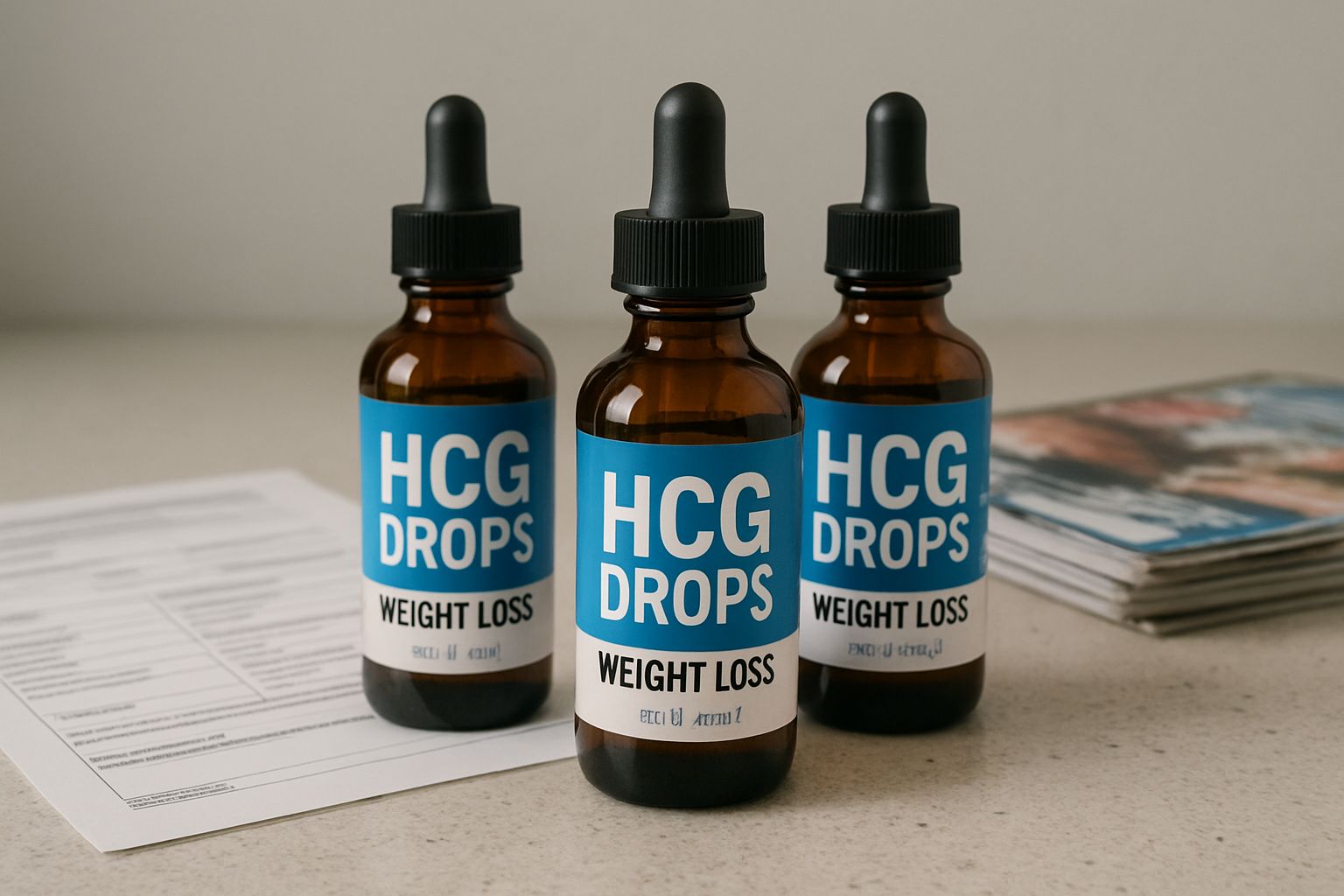
Mistake 1: Buying OTC HCG Drops That Contain No Real HCG
This is the most widespread mistake, and it catches people off guard because the products look convincing. Walk into any supplement store or scroll through Amazon long enough and you’ll find HCG drops, sprays, and pellets with bold claims about metabolism, hunger suppression, and rapid fat loss. The problem? None of them contain real HCG.
Why Homeopathic HCG Drops Have Zero Real HCG in Them
Homeopathic products are built on the principle of extreme dilution — the idea that a substance becomes more potent the more it’s diluted in water. In practice, this means most homeopathic HCG drops contain such a vanishingly small amount of the hormone that it has no measurable biological effect. Independent lab testing has confirmed that many of these products contain no detectable HCG at all. You are essentially paying for water with a label on it.
Only injections can raise blood levels of HCG in a meaningful way. This is not a matter of debate — it is basic pharmacology. When you swallow or place a drop under your tongue, any real HCG present would be broken down by digestive enzymes long before it could enter your bloodstream at a therapeutic dose. The delivery mechanism alone disqualifies oral drops from doing what they claim.
The FDA’s Official Warning on OTC HCG Weight Loss Products
The U.S. Food and Drug Administration has been direct about this. The FDA warns consumers to avoid all OTC HCG weight loss products, stating clearly that HCG is not approved for weight loss and that these products are fraudulent and potentially dangerous. The agency has specifically called out drops, sprays, and pellets marketed for weight loss as making illegal drug claims. These are not fringe concerns — they come directly from the FDA’s official consumer guidance.
The American Society of Bariatric Physicians echoes this position, recommending against the HCG diet for weight loss based on the lack of credible evidence. Research comparing HCG injections to placebo injections in calorie-restricted individuals found that weight loss was identical or nearly identical between both groups. The calorie restriction was doing the work — not the HCG. If you’ve been reading about Appetite Suppressant Pills Science Reality Check & Studies Review, you’ll recognize this same pattern where the marketing far outpaces the actual clinical data.
What Real HCG Looks Like and How It Is Administered
Prescription HCG comes in injectable form and is administered subcutaneously or intramuscularly, just like other hormone therapies. It requires a doctor’s prescription, proper storage, sterile preparation, and medical monitoring. It is a legitimate pharmaceutical used in fertility treatments — a very different product from what’s being sold online under the same name. If you’re exploring medically supervised hormone-based weight loss options, a Telehealth GLP-1 Weight Loss Prescription is a far more evidence-backed path that connects you with licensed providers who can assess whether you’re a candidate for clinically validated treatments.
Mistake 2: Starting HCG Drops Without Medical Supervision
Even setting aside the question of whether OTC drops contain real HCG, the broader protocol they’re sold with — extreme calorie restriction, hormonal supplementation, and rapid weight loss — is not something anyone should start on their own. Here’s why unsupervised use creates real risk:
- Your baseline hormone levels are unknown without bloodwork, meaning you could be making an existing imbalance worse.
- Certain medical conditions, including thyroid disorders, adrenal dysfunction, and PCOS, interact unpredictably with hormone-altering protocols.
- Medications including blood thinners, diabetes drugs, and hormonal contraceptives can conflict with HCG in ways that aren’t obvious without a clinical review.
- Severe calorie restriction without monitoring increases the risk of electrolyte imbalance, cardiac stress, and gallstone formation.
- There is no professional oversight to catch early warning signs before they become serious problems.
Why Your Health History Changes Everything
Two people can follow the exact same HCG protocol and have completely different outcomes based on their underlying health. Someone with a history of disordered eating, for example, faces compounded psychological and physical risk on a 500-calorie-per-day plan. Someone with undiagnosed hypothyroidism may experience their metabolism slowing further in response to extreme restriction. A doctor who reviews your history can identify these risks before you start — not after something goes wrong.
Medications and Hormonal Conditions That Conflict With HCG
HCG interacts with the hypothalamic-pituitary-gonadal axis, which regulates sex hormones in both men and women. This means it can amplify or suppress testosterone and estrogen depending on the individual, which matters enormously if you’re already on hormone therapy, antidepressants, or medications that affect the endocrine system. Starting any HCG protocol — even a homeopathic one — without disclosing it to your doctor is a risk not worth taking.
Mistake 3: Treating HCG Drops as a Standalone Weight Loss Solution
One of the most damaging myths around HCG drops is that the drops themselves are doing the heavy lifting. Marketers push this idea hard because it sells product — take these drops, follow the plan, lose the weight. But the actual mechanism behind any weight loss on an HCG protocol is the severe calorie deficit, not the HCG. Strip away the 500-calorie diet and there is no evidence the drops produce any results at all.
This matters because it changes how you should think about your weight loss strategy entirely. If you’re relying on a product with no clinical backing while simultaneously putting your body through near-starvation conditions, you’re absorbing all the risk with none of the support a real program would provide. Approaches like the 21-Day Smoothie Diet Weight Loss Program offer structured, sustainable calorie management with real nutritional value — a far more sensible framework than pairing unregulated drops with extreme restriction.
Mistake 4: Getting Nutrition Wrong on the HCG Protocol
Even people who commit fully to the HCG protocol often undermine their results — and their health — by making avoidable nutrition errors. The 500-calorie framework leaves almost no room for error. Every food choice either supports your body through an extremely demanding restriction or compounds the stress your metabolism is already under. Getting this wrong doesn’t just stall your progress; it can accelerate muscle loss, trigger nutrient deficiencies, and leave you feeling genuinely unwell within days.
The approved food list on the traditional HCG protocol is narrow by design — lean proteins, specific vegetables, limited fruits, and water. But within that narrow list, the quality of what you choose matters enormously. People who treat all permitted foods as interchangeable end up shortchanging their protein intake, skipping hydration, and reaching for anything that fits the calorie count without considering micronutrients. That approach is a fast track to fatigue, muscle wasting, and a metabolism that’s harder to recover after the protocol ends.
Not Eating Enough Protein Each Day
At 500 calories per day, hitting adequate protein is genuinely difficult — but it is non-negotiable. Protein is what signals your body to preserve lean muscle mass during a calorie deficit. Without enough of it, your body turns to muscle tissue for fuel, which drops your resting metabolic rate and makes long-term weight management harder. On the HCG protocol, lean proteins like chicken breast, white fish, and shrimp aren’t just meal options — they are the primary mechanism keeping your metabolism functional under stress.
Drinking Too Little Water
Dehydration is one of the most overlooked issues on the HCG diet, and it magnifies every other side effect on the list. When calorie intake drops this dramatically, your body begins breaking down glycogen stores, which releases water rapidly. This creates a temporary illusion of fast weight loss but also means your hydration needs to increase, not stay the same. Most practitioners recommend a minimum of two liters of water per day during the active phase, with some suggesting more based on body size and activity level.
Inadequate hydration on a very low-calorie diet also slows the kidney’s ability to process metabolic byproducts, which can intensify headaches, brain fog, and dizziness — symptoms people often misattribute to the diet “working.” If you’re finding that restriction-based approaches leave you depleted, it’s worth exploring gentler metabolic support options like Cardio Slim Tea, which supports circulation and metabolism without requiring you to push your body to its limits.
Choosing Processed Foods Over Whole Foods
Some people on the HCG protocol try to stretch their 500 calories using low-calorie processed snacks, diet sodas, or packaged foods that technically fit the calorie limit. This is a significant mistake. Processed foods introduce artificial additives, excess sodium, and chemical preservatives that can cause water retention, disrupt gut function, and interfere with hormone signaling — all of which work against the goals of the protocol. Whole, single-ingredient foods are the only sensible choice when you’re operating on this level of caloric restriction.
Skipping Meals Without Medical Guidance
It might seem logical that eating even less would accelerate results on an already low-calorie plan, but skipping meals within the HCG protocol creates a dangerous blood sugar instability that the body simply cannot buffer at 500 calories. The result is sharp drops in energy, irritability, impaired concentration, and in some cases, fainting. The structure of two small meals per day on the traditional protocol exists for a reason — deviating from it without a clinician’s guidance adds unnecessary risk to an already aggressive approach.
Timing matters too. Going too long between meals causes cortisol to spike, which signals the body to store rather than burn fat — directly opposing the outcome you’re chasing. If meal timing and structure are something you’re trying to optimize for weight loss, reading about the Infrared Sauna Blanket Cost-Benefit for Weight Loss for Special Occasions offers an interesting look at how recovery-based tools can complement a structured eating approach without the risks of extreme restriction.
Mistake 5: Ignoring Warning Signs From Your Body
Your body communicates clearly when something is wrong — the problem is that HCG diet culture tends to normalize symptoms that should never be ignored. Headaches, dizziness, extreme fatigue, and mood crashes get reframed as “detox symptoms” or signs that the protocol is working. That reframing is dangerous. These are your body’s distress signals, and pushing through them without medical assessment can turn a short-term diet experiment into a serious health event.
Fatigue and Dizziness as Red Flags
Persistent fatigue on the HCG protocol is not a sign of adaptation — it is a sign of energy deprivation. At 500 calories per day, most people are running a deficit of 1,500 to 2,000 calories daily, which is physiologically extreme by any clinical standard. When that deficit isn’t supported by proper nutrition and medical oversight, the body begins cannibalizing muscle, downregulating thyroid function, and reducing output across every major system to conserve energy.
Dizziness specifically is a warning sign that warrants immediate attention. It can indicate low blood pressure, electrolyte imbalance, low blood sugar, or early-stage dehydration — all of which are plausible on this level of restriction. Any dizziness that occurs when standing, during light activity, or repeatedly throughout the day should prompt a medical check-in, not a glass of water and a pep talk from an online forum.
The following table outlines the key warning signs to watch for during any very low-calorie protocol, and what each symptom may indicate:
Warning Sign Possible Cause Recommended Action Persistent dizziness Electrolyte imbalance, low blood sugar, dehydration Stop protocol, seek medical evaluation Heart palpitations Potassium or magnesium deficiency, cardiac stress Seek immediate medical attention Severe headaches Dehydration, low sodium, caffeine withdrawal Increase water intake, consult a doctor Extreme fatigue Caloric deprivation, muscle loss, thyroid suppression Reassess protocol with a clinician Mood swings or depression Hormonal disruption, blood sugar instability Discontinue and seek professional support Hair loss Protein deficiency, micronutrient depletion Increase dietary protein, consult a doctor
If you experience more than one of these symptoms simultaneously, that is a clinical signal to stop the protocol — not push harder. No weight loss outcome is worth neurological, cardiac, or hormonal damage.
Side Effects Linked to HCG Injections
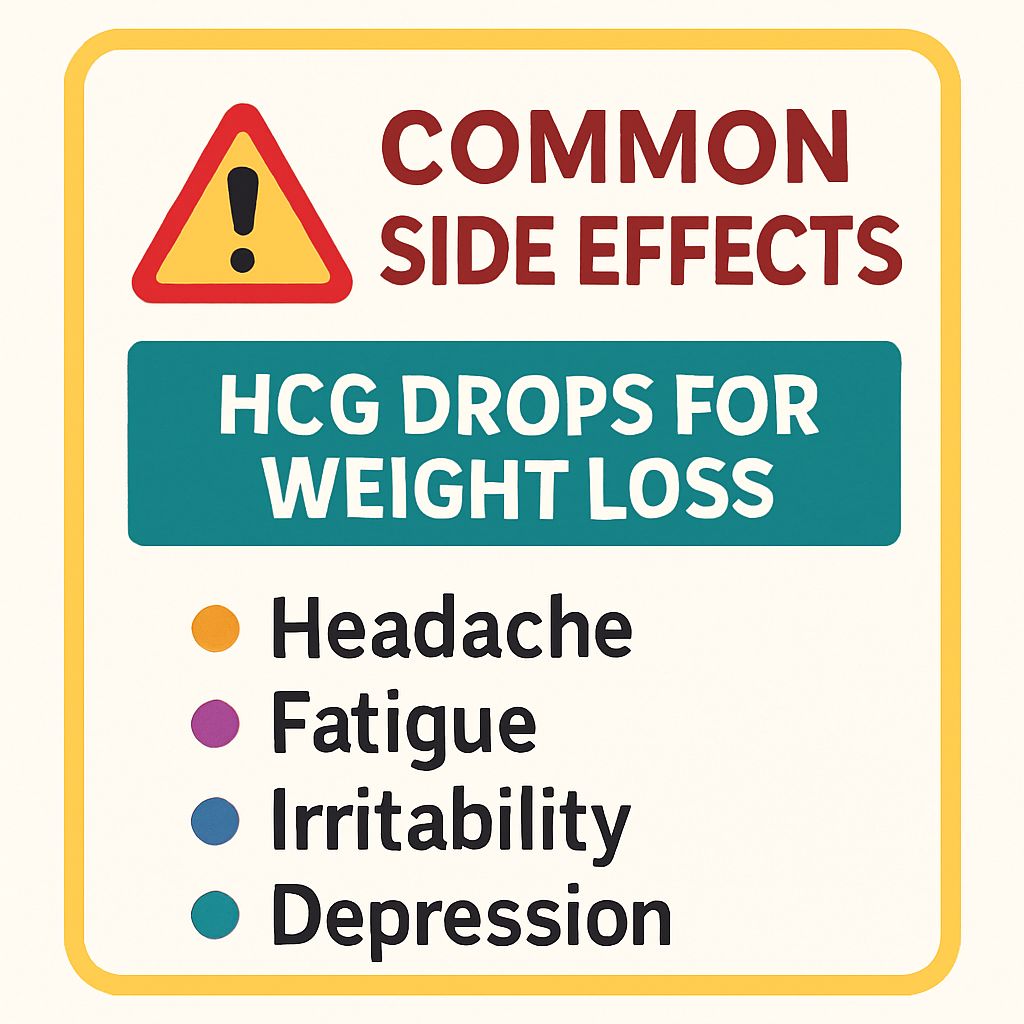
Even in the legitimate prescription form used under medical supervision, HCG injections carry a documented side effect profile. These include headache, depression, edema (fluid retention), gynecomastia in men (breast tissue enlargement), ovarian hyperstimulation syndrome in women, and in rare cases, blood clots. These are not side effects associated with homeopathic drops — they are the documented effects of actual HCG interacting with your endocrine system. Anyone pursuing prescription HCG for any reason should have a thorough informed consent conversation with their prescribing physician before starting.
Mistake 6: Following Extreme Calorie Cuts Without Guidance
The 500-calorie-per-day requirement attached to the original HCG diet protocol, developed by Dr. Albert Simeons in the 1950s, is classified as a very low-calorie diet (VLCD) by modern clinical standards. VLCDs are only considered appropriate under direct medical supervision, typically for patients with obesity-related conditions where the health risk of the excess weight outweighs the risk of the diet itself. Using a VLCD protocol based on instructions from a website or supplement label, without any clinical involvement, bypasses every safety mechanism these diets are supposed to operate within.
Some more recent versions of the HCG protocol have adjusted the calorie floor to 800 calories per day, which is still extremely restrictive but marginally less dangerous than the original 500-calorie version. Even at 800 calories, the body is under significant metabolic stress. For those looking for evidence-based, medically supervised weight loss alternatives that match the ambition of a protocol like HCG without the associated risks, options like Tirzepatide and Semaglutide represent clinically validated interventions with a documented safety record and real regulatory approval — a meaningful contrast to the OTC HCG landscape.
The Risks of a 500-Calorie-Per-Day Diet
A 500-calorie-per-day diet is not a diet in any conventional sense — it is near-total starvation. The average adult requires between 1,600 and 2,400 calories per day simply to maintain basic organ function, body temperature, and cognitive performance. Cutting to 500 calories creates a deficit so severe that the body cannot sustain it through fat burning alone. It begins breaking down muscle tissue, suppressing thyroid output, and reducing metabolic rate in ways that can take months to reverse after the protocol ends.
What makes this particularly problematic in the HCG context is that the 500-calorie framework was designed in the 1950s based on the assumption that HCG was actively mobilizing fat stores to compensate for the deficit. Modern research has comprehensively dismantled that assumption. Studies comparing HCG injections to placebo injections in calorie-restricted subjects found no meaningful difference in weight loss, hunger levels, or fat distribution between the two groups. The calorie restriction was the only active variable — and at 500 calories, that variable carries serious risk regardless of what supplement accompanies it.
Clinically, very low-calorie diets below 800 calories per day are only administered under direct physician supervision, typically involving regular bloodwork, electrolyte monitoring, and cardiac assessment. The version being sold online strips all of that oversight away and replaces it with a pamphlet and a bottle of drops. The gap between what a medically supervised VLCD looks like and what most people experience on a DIY HCG protocol is significant — and that gap is where the real danger lives. For those who want medically supervised weight loss that actually has regulatory backing, exploring a Telehealth GLP-1 Weight Loss Prescription is a far safer and more effective path forward.
Calorie Level Clinical Classification Supervision Required Typical Use Case 500 cal/day Extreme VLCD Mandatory medical oversight Pre-surgical weight loss only 800 cal/day Very Low-Calorie Diet Physician supervised Obesity with comorbidities 1,000–1,200 cal/day Low-Calorie Diet Dietitian recommended Moderate weight loss 1,500–1,800 cal/day Mild Deficit Diet Self-managed with guidance Gradual sustainable weight loss
The table above makes clear just how extreme the 500-calorie protocol is relative to clinical norms. The fact that it is being marketed as something anyone can do at home, paired with unregulated drops, is one of the more irresponsible practices in the weight loss supplement industry.
Why Starvation-Level Diets Cause Headaches, Depression, and Fatigue
When caloric intake drops this dramatically, the brain — which runs almost exclusively on glucose — becomes one of the first organs to signal distress. Headaches emerge as blood sugar falls and the brain struggles to maintain stable fuel supply. This is not a detox symptom. It is a neurological stress response. As the body shifts into ketosis to compensate, the transition creates a further window of cognitive fog, irritability, and physical lethargy that can last days or longer depending on the individual’s metabolic flexibility.
Depression and mood disruption are also well-documented consequences of extreme caloric restriction. Serotonin production is closely tied to dietary tryptophan, an amino acid found in protein-rich foods. At 500 calories per day, adequate tryptophan intake is nearly impossible to achieve, which directly affects serotonin synthesis and mood regulation. Combine that with the hormonal fluctuations caused by rapid weight loss, the psychological stress of severe food restriction, and the fatigue from muscle catabolism, and it becomes clear why so many people report feeling genuinely depressed during HCG protocols — not motivated and energized, as the marketing suggests. For those interested in supporting metabolism and energy through gentler means, Natural GLP-1 Enhancement Without Needles, Prescriptions Or Side Effects offers a completely different approach that works with your body rather than against it.
HCG Drops Only Work When These Conditions Are Met
Here is the honest answer: based on the available clinical evidence, OTC HCG drops do not work for weight loss under any conditions. They contain no real HCG, they cannot raise blood hormone levels, and every controlled study comparing them to placebo has found no advantage. Any weight loss experienced on an HCG drop protocol is the direct result of eating 500 calories per day — a level of restriction that would produce the same result with or without the drops. If your goal is sustainable, evidence-based weight loss that doesn’t require starving yourself or relying on unregulated products, the honest path forward is a structured program with real clinical support behind it. The 21-Day Smoothie Diet Weight Loss Program is one example of an approach that delivers meaningful results through real nutrition rather than extreme restriction or hormone mythology.
Frequently Asked Questions
There is a lot of confusion around HCG drops because the marketing is sophisticated and the terminology overlaps with legitimate medicine. Understanding the actual answers to these questions — not the ones supplement companies want you to believe — is what protects you from wasting money on ineffective products or worse, putting your health at risk on an unsafe protocol.
The following questions come up repeatedly from people trying to make sense of the HCG landscape. Each answer reflects what the evidence actually shows, not what the label claims.
Are HCG Drops Sold Online the Same as Prescription HCG?
No — they are not the same thing in any meaningful way. Prescription HCG is a pharmaceutical-grade hormone administered by injection, available only through a licensed physician, and used for specific medical conditions including infertility and hormone deficiency. OTC HCG drops sold online are classified as homeopathic products, which means the original substance has been diluted to the point where no detectable HCG remains. Independent laboratory analysis has confirmed that many of these products contain zero measurable HCG. The shared name creates the illusion of equivalence, but the two products are fundamentally different in composition, delivery, regulatory status, and clinical effect.
Can HCG Drops Cause Side Effects Even at Low Doses?
Because OTC homeopathic HCG drops contain no real HCG, the direct hormonal side effects associated with prescription HCG injections are not a concern with the drops themselves. However, that does not mean HCG drop protocols are without risk. The side effects most commonly reported by people using OTC HCG drops are almost entirely attributable to the extreme calorie restriction that accompanies the drops — not the drops themselves.
The most frequently reported side effects of the HCG protocol include the following:
- Persistent headaches, particularly during the first week of restriction
- Fatigue and generalized weakness from inadequate caloric intake
- Dizziness and lightheadedness, especially when standing quickly
- Irritability and mood instability linked to blood sugar fluctuation
- Constipation from extremely low fiber and food volume
- Hair thinning from protein deficiency and metabolic stress
- Muscle loss from the body catabolizing lean tissue for energy
Anyone who experiences heart palpitations, fainting, chest pain, or severe depression during any HCG protocol should discontinue immediately and seek medical attention. These are not normal adaptation symptoms — they are clinical warning signs that require professional evaluation.
Do HCG Drops Actually Help With Weight Loss?
- Clinical studies: Multiple controlled trials found no difference in weight loss between HCG injections and placebo injections when both groups followed the same calorie-restricted diet.
- FDA position: The FDA has officially stated that HCG is not approved for weight loss and that OTC HCG products are fraudulent.
- American Society of Bariatric Physicians: Recommends against the HCG diet for weight loss based on lack of evidence and documented safety concerns.
- OTC products specifically: Contain no measurable HCG, making any claim about hormonal fat mobilization biologically impossible with these products.
The weight loss people do experience on HCG protocols is real — but it is driven entirely by the 500-calorie-per-day restriction, not the drops. Any other structured calorie deficit approach would produce equivalent or better results with significantly less risk. A practical read on how evidence compares across different weight loss interventions is the Appetite Suppressant Pills Science Reality Check & Studies Review, which walks through the same kind of marketing-versus-evidence analysis applied to a different category of products.
The deeper issue with the HCG drop narrative is that it encourages people to credit the drops for their results rather than understanding that they starved themselves thin. That misattribution makes it more likely they’ll repeat the cycle rather than building habits that produce lasting change. Sustainable weight loss comes from approaches that your body can tolerate long-term — not from protocols that put you in a medical risk category while selling you water in a bottle.
If you are serious about losing weight and want something that works through actual physiological mechanisms, options like Tirzepatide and Semaglutide represent the current gold standard in medically supervised weight loss — with peer-reviewed clinical data, FDA approval, and real outcomes that don’t require you to eat 500 calories a day.
Who Should You Avoid HCG Drops Entirely?
The FDA recommends that everyone avoid OTC HCG weight loss products. Beyond that blanket guidance, certain individuals face compounded risk and should be especially firm in avoiding any HCG protocol. This includes pregnant or breastfeeding women, anyone with a history of hormone-sensitive cancers including breast, ovarian, or prostate cancer, individuals with active cardiovascular disease, those with a history of blood clots, and anyone currently taking hormonal medications or undergoing fertility treatment. People with eating disorder histories face particular psychological risk from any protocol built around extreme restriction and rigid food rules.
Children and adolescents should never be placed on HCG protocols under any circumstances. The hormonal and metabolic consequences of extreme calorie restriction during developmental years are serious and can have long-term effects on growth, bone density, and endocrine function. If you are considering any weight loss intervention for a minor, that conversation belongs with a pediatric physician — not an online supplement company.
Should You Tell Your Doctor Before Using HCG Drops?
Yes — without exception. Even though OTC HCG drops are sold without a prescription and are technically legal to purchase, that does not make them medically inconsequential. The protocol they’re sold with involves extreme calorie restriction that has real physiological effects regardless of what the drops contain. Your doctor needs to know you are considering this approach so they can assess your baseline health, identify any contraindications, and monitor you appropriately if you proceed.
Many people avoid telling their doctor because they expect pushback — and they’re right that most physicians will advise against it, because the clinical evidence supports that position. But that pushback exists to protect you, not to gatekeep. A doctor who knows your cardiovascular health, your hormone levels, your medication list, and your metabolic history is in a position to catch risks that no supplement label will ever warn you about.