Article-At-A-Glance: What the Science Actually Says
- Most over-the-counter appetite suppressant pills have little to no clinical evidence supporting meaningful, long-term weight loss results.
- Prescription options like semaglutide and phentermine-topiramate are among the most clinically validated appetite suppressants available today, but they come with real risks and aren’t for everyone.
- Natural supplements like 5-HTP and green tea extract show modest results at best — and some carry safety concerns worth knowing before you buy.
- Appetite suppressants work best when combined with a reduced-calorie diet and regular physical activity — pills alone rarely produce lasting results.
- Keep reading to find out which specific ingredients actually have study-backed evidence, and which ones are quietly draining your wallet with nothing to show for it.
The appetite suppressant pill market is flooded with big promises — but the actual science tells a very different story than the label does.
If you’ve been searching for a natural way to control hunger and lose weight, you’re not alone. Millions of people turn to appetite suppressant pills every year hoping to find an edge. Some of these pills do have real ingredients with real research behind them. Many others are simply marketing dressed up as medicine. Understanding the difference can save you money, protect your health, and point you toward what actually moves the needle. For those looking for trustworthy breakdowns of natural health options, Roots & Leaves covers evidence-based natural remedy research to help you cut through the noise.
Let’s get into what the research actually says.
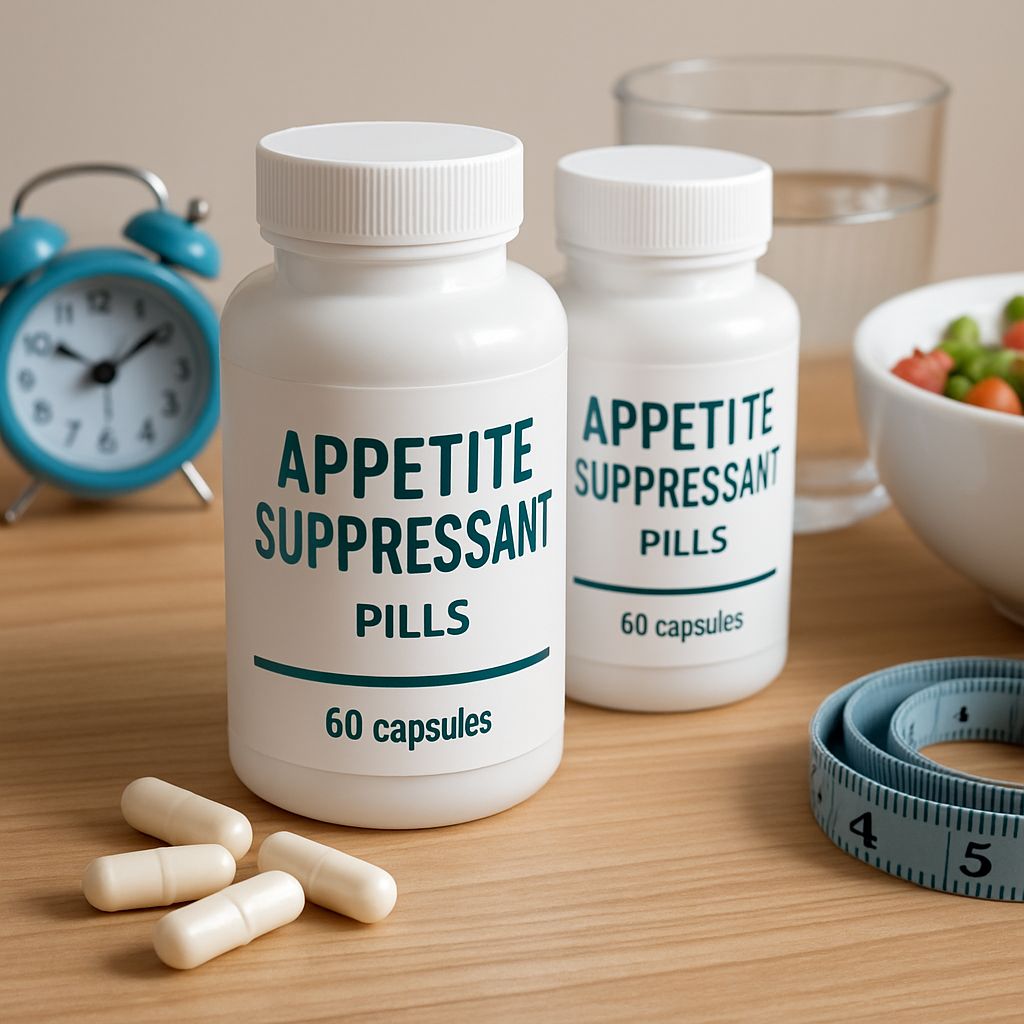
Most Appetite Suppressant Pills Don’t Work Like You Think
The core problem with most appetite suppressant supplements is simple: they’re regulated as food products, not drugs. That means manufacturers don’t have to prove they work before selling them to you. The U.S. Food and Drug Administration only steps in after a product is already on shelves — and usually only when harm has already been reported. For those exploring other weight loss options, it’s important to consider the safety of slimming teas as well.
Over-the-counter appetite suppressants are marketed as “natural” alternatives to prescription medication, but the clinical evidence simply doesn’t back up most of those claims. Even in cases where an ingredient shows some effect in a small study, the doses used in supplements are often far below what was tested. The result? You’re paying for a label, not a proven outcome. And once you stop taking them, any weight lost tends to return quickly.
How Appetite Suppressants Actually Work in the Body
Hunger isn’t just a feeling in your stomach — it’s a complex hormonal and neurological process. To understand whether a pill can actually suppress your appetite, you first need to understand what’s driving hunger in the first place. For those considering alternatives, exploring crash diet plans might provide additional insights into managing hunger.
The Role of Hunger Hormones Like Ghrelin and Leptin
Ghrelin is often called the “hunger hormone.” It’s released primarily by the stomach and signals your brain that it’s time to eat. Leptin, on the other hand, is produced by fat cells and tells your brain you’ve had enough. When these two hormones fall out of balance — which can happen through poor sleep, chronic stress, or restrictive dieting — hunger becomes harder to control. Many appetite suppressant pills claim to influence these hormones, but very few have clinical data demonstrating they actually do so in a meaningful way at the doses provided.
How the Brain Controls Hunger Signals
The hypothalamus is the control center for hunger regulation in the brain. It receives signals from ghrelin, leptin, insulin, and several gut peptides including GLP-1 (glucagon-like peptide-1) and PYY (peptide YY). These signals collectively determine whether you feel hungry or satisfied. Serotonin also plays a role — lower serotonin levels are linked to increased carbohydrate cravings and overeating. This is precisely why some supplements target serotonin pathways, and why certain prescription medications work directly on brain chemistry rather than the digestive system.
Where Pills Fit Into This System
Appetite suppressant pills attempt to intervene in this system through several different mechanisms — reducing ghrelin production, slowing gastric emptying, boosting serotonin, or increasing feelings of fullness through fiber bulk. The problem is that most natural supplements interact with these pathways too weakly or too briefly to create a meaningful reduction in caloric intake. Prescription medications, by contrast, are designed with specific receptor targets and clinical dosing in mind.
Prescription Appetite Suppressants: What Studies Show
Prescription appetite suppressants are where the real clinical data lives. These medications go through rigorous FDA approval processes and have documented evidence for both efficacy and risk. An analysis of 143 studies found that specific prescription options consistently outperform both placebo and natural supplements for weight reduction in people with obesity.
GLP-1 Receptor Agonists: Semaglutide and Liraglutide Results
GLP-1 receptor agonists like semaglutide (Ozempic, Wegovy) and liraglutide (Saxenda) mimic the GLP-1 gut hormone, slowing gastric emptying and reducing appetite signals sent to the brain. Clinical trials have shown semaglutide can produce substantial reductions in body weight over 68 weeks of use. Liraglutide has similarly shown meaningful weight reduction in trials involving adults with obesity. These are among the most evidence-backed options currently available — but they require a prescription, consistent monitoring, and come with side effects including nausea, vomiting, and gastrointestinal discomfort.
Phentermine-Topiramate: 6% to 11% Body Weight Reduction in Studies
Phentermine-topiramate (brand name Qsymia) combines a stimulant appetite suppressant with an anticonvulsant that also reduces hunger. Clinical studies have documented body weight reductions in the range of 6% to 11% compared to placebo over one year of use. It’s FDA-approved for long-term use in adults with a BMI of 30 or higher, or 27 or higher with at least one weight-related condition. That said, it carries risks including increased heart rate, cognitive side effects, and is contraindicated in pregnancy.
Short-Term vs. Long-Term FDA-Approved Options
Not all prescription appetite suppressants are approved for long-term use. Phentermine on its own, for example, is only approved for short-term use — typically fewer than 12 weeks. This is largely due to its stimulant nature and potential for dependence. Long-term options include phentermine-topiramate, naltrexone-bupropion (Contrave), and the GLP-1 receptor agonists mentioned above. Laws around prescribing duration can also vary by state, which is worth checking with your healthcare provider before starting any prescription regimen.
Weight Regain After Stopping Medication
The hard truth about prescription appetite suppressants: Most people regain a significant portion of the weight they lost once they stop taking the medication. This isn’t a failure of willpower — it’s biology. The underlying hormonal and neurological drivers of hunger don’t disappear just because you took a pill for a year. This is why healthcare providers increasingly view obesity as a chronic condition requiring long-term management, not a short-term problem with a short-term fix.
When patients stopped taking liraglutide in clinical follow-up studies, they regained a large portion of the weight lost during treatment. Similar patterns have been observed with phentermine-topiramate. The weight loss these medications produce is real — but it’s largely dependent on continued use, which raises important questions about cost, access, and long-term safety that every patient should discuss with their doctor.
This doesn’t mean prescription medications aren’t worth considering. For people with obesity-related health conditions like type 2 diabetes, hypertension, or sleep apnea, the health benefits of sustained weight loss can be significant. The key word is sustained — which typically means ongoing treatment, not a temporary course.
The bigger issue for most people reading a supplement label is this: if even the most powerful, clinically validated prescription medications produce weight regain after stopping, what chance does an OTC herbal pill have? That context matters when you’re standing in the supplement aisle trying to decide whether a $45 bottle of “appetite control” capsules is worth it.
Natural Appetite Suppressants: Honest Evidence Review
Natural appetite suppressants get a lot of attention in the wellness world, and some ingredients do have preliminary evidence worth discussing. The important word there is preliminary. Most of the studies on natural hunger suppressants are small, short-term, funded by supplement companies, or conducted on animals rather than humans. That doesn’t mean they’re worthless — it means they should be understood for what they are, much like slimming teas that are often marketed with limited scientific backing.
Below is an honest look at three of the most commonly marketed natural appetite suppressant ingredients and what the research actually says about each one. If you’re curious about other weight loss methods, you might also be interested in learning about slimming tea safety and its effectiveness.
5-HTP: What Small Studies Actually Found
5-HTP (5-hydroxytryptophan) is a precursor to serotonin, the neurotransmitter involved in mood regulation and satiety. The idea is that by boosting serotonin levels, 5-HTP can reduce carbohydrate cravings and overall caloric intake. Some small studies have shown modest reductions in appetite and food intake in participants taking 5-HTP compared to placebo. However, there isn’t enough recent, high-quality evidence to draw firm conclusions about how well it works for weight loss specifically. It also carries risks including nausea and, in rare cases when combined with certain medications, serotonin syndrome — a potentially serious condition.
Green Tea Extract: Modest Effects With Limited Proof
Green tea extract — particularly its active compound EGCG (epigallocatechin gallate) — has been studied for its potential to slightly increase metabolism and reduce fat absorption. The appetite-suppressing effects are modest at best. Most studies show minimal impact on actual caloric intake or long-term weight loss. While green tea extract is generally considered safe at reasonable doses, high-dose supplements have been linked to liver toxicity in rare cases. It’s one of the safer natural options, but expecting significant appetite suppression from it is likely setting yourself up for disappointment.
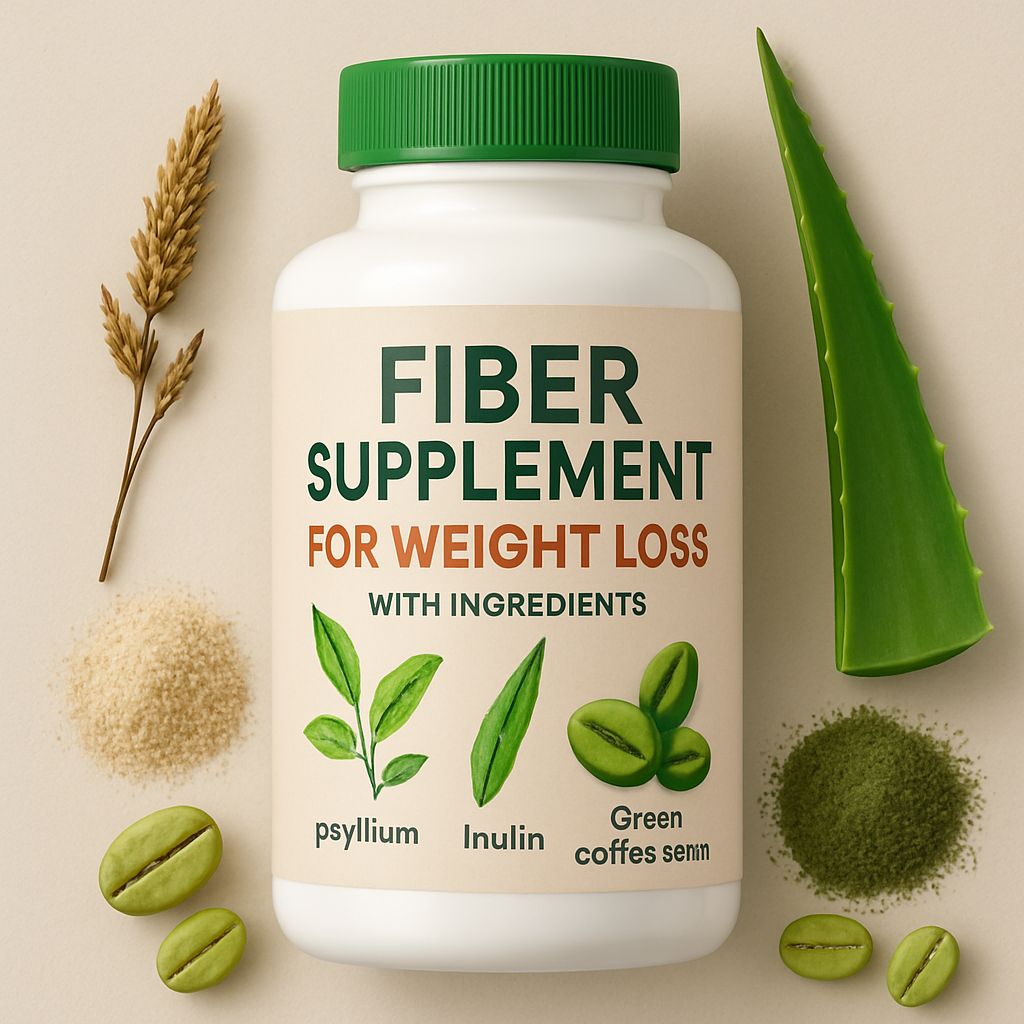
Fiber Supplements: The Most Evidence-Backed Natural Option
If there’s one natural appetite suppressant with genuinely consistent evidence behind it, it’s dietary fiber — specifically soluble fiber. Supplements like psyllium husk and glucomannan absorb water in the digestive tract, forming a gel-like substance that slows gastric emptying and prolongs feelings of fullness. Glucomannan in particular has shown the ability to reduce caloric intake when taken before meals with adequate water.
Fiber supplements won’t produce dramatic weight loss on their own, but they’re low-risk, affordable, and supported by more consistent evidence than most other natural options. They also offer additional health benefits including improved cholesterol levels and better blood sugar regulation — making them a genuinely useful tool when combined with a balanced diet. For those considering alternative weight loss methods, it’s worth exploring the pros and cons of laser lipo as a complementary option.
Real Side Effects You Need to Know About
Every appetite suppressant — natural or prescription — carries the potential for side effects. The severity depends heavily on the type of suppressant, the dose, and your individual health profile. Dismissing side effects as unlikely is one of the most common mistakes people make when starting a new supplement or medication.
Common Side Effects Across Most Appetite Suppressants
Across both natural and prescription categories, the most frequently reported side effects include:
- Nausea and gastrointestinal discomfort
- Headaches, especially during the first week of use
- Dry mouth and increased thirst
- Difficulty sleeping or changes in sleep quality
- Constipation or diarrhea depending on the type of supplement
- Dizziness or lightheadedness, particularly when standing quickly
These effects are often temporary but can be significant enough to cause people to discontinue use. With prescription medications, side effects tend to be more pronounced and should always be monitored by a healthcare provider.
Risks Specific to Stimulant-Based Pills
Stimulant-based appetite suppressants — including phentermine and certain OTC products containing caffeine or synephrine — carry an additional set of concerns. These include elevated heart rate, increased blood pressure, anxiety, and in some cases, dependency or withdrawal symptoms. People with cardiovascular conditions, anxiety disorders, or a history of substance misuse should be especially cautious. Some stimulant-based OTC pills have been pulled from the market after reports of serious cardiac events, which is a strong reminder that “natural” or “available without a prescription” does not automatically mean safe. For those considering alternative methods, it’s important to understand the safety of slimming teas as well.
Over-the-Counter Pills vs. Prescription Medications: Key Differences
The gap between OTC appetite suppressants and prescription medications isn’t just about strength — it’s about the entire framework of evidence, regulation, and accountability behind them. Prescription medications must demonstrate safety and efficacy through clinical trials before approval. OTC supplements do not. This creates a situation where a prescription pill with documented 8% body weight reduction is held to a completely different standard than a supplement claiming the same result on its label.
| Feature | OTC Appetite Suppressants | Prescription Medications |
|---|---|---|
| FDA Approval Required | No | Yes |
| Clinical Trial Evidence | Rarely required | Mandatory before approval |
| Doctor Supervision | Not required | Required |
| Typical Cost | $20–$60/month | Varies; often higher without insurance |
| Long-Term Use Approval | Generally not studied | Some options approved for long-term use |
| Risk of Side Effects | Low to moderate (varies by ingredient) | Moderate to high (monitored by provider) |
When Appetite Suppressants Are and Are Not Worth It
Appetite suppressants — particularly prescription ones — can genuinely help people who have obesity-related health conditions and have already made meaningful dietary and lifestyle changes without sufficient results. Clinical guidelines generally recommend them as an adjunct to, not a replacement for, a reduced-calorie diet and increased physical activity. For someone managing type 2 diabetes, hypertension, or joint problems tied to excess weight, the risk-to-benefit calculation can clearly tip in favor of medication under medical supervision.
For the average person looking to lose 10 to 15 pounds without any obesity-related health conditions, most appetite suppressant pills — and especially OTC supplements — are unlikely to be worth the cost or the risk. The evidence consistently shows that sustainable weight management comes from dietary habits, sleep quality, stress management, and regular movement. These aren’t exciting answers, but they’re the ones that hold up across the largest and longest studies available. For those considering alternative weight loss methods, it’s important to weigh the pros and cons of laser lipo and other options.
Who Actually Benefits Based on Clinical Evidence
The clinical evidence is fairly clear on this: prescription appetite suppressants produce the most meaningful results in people with a BMI of 30 or higher, or a BMI of 27 or higher when accompanied by at least one weight-related health condition such as type 2 diabetes, high blood pressure, or high cholesterol. For these individuals, the health risks of remaining at an elevated weight often outweigh the risks associated with carefully monitored medication use. Studies consistently show that when these patients combine prescription appetite suppressants with dietary changes and physical activity, outcomes improve significantly compared to lifestyle changes alone.
For people outside these clinical categories — those looking to lose a small amount of weight for aesthetic reasons or general wellness — the evidence supporting appetite suppressant pills of any kind becomes much thinner. The risk-to-benefit ratio simply doesn’t favor supplementation when the risks are real and the benefits are marginal at best.
Lifestyle Changes That Outperform Most Supplements
Before spending money on any appetite suppressant pill, it’s worth knowing that several evidence-backed lifestyle habits consistently outperform OTC supplements in clinical comparisons. Eating adequate dietary protein — particularly at breakfast — has been shown to reduce ghrelin levels and increase satiety hormones for several hours after eating. Prioritizing 7 to 9 hours of quality sleep per night significantly regulates the hormones that drive hunger, including ghrelin and leptin. Drinking water before meals, managing chronic stress through proven techniques, and building consistent movement into daily life all contribute to appetite regulation in ways that no supplement has been shown to replicate at the same level of effectiveness. For those considering quick fixes, it’s important to understand the pros and cons of crash diet plans compared to sustainable lifestyle changes.
The Verdict: Supplements Rarely Justify the Cost or Risk
After reviewing the available evidence, the conclusion is straightforward: most appetite suppressant pills — particularly over-the-counter and natural supplements — do not deliver on their promises. The ingredients with the most support, like soluble fiber, are modest in effect and available for a fraction of the price of branded supplement products. The ingredients with bolder claims almost universally lack the rigorous clinical data needed to back them up. And the few options with strong clinical evidence are prescription-only medications that come with their own significant considerations around side effects, monitoring, and cost.
This doesn’t mean appetite suppressants are universally useless. For people with clinically defined obesity and related health conditions, prescription options like semaglutide and phentermine-topiramate represent meaningful medical tools that should be seriously considered in consultation with a healthcare provider. But for the majority of people browsing supplement store shelves or scrolling through online ads, the most honest advice is this: save your money, fix your sleep, eat more protein and fiber, and talk to a doctor before spending another dollar on a pill promising to kill your appetite.

Frequently Asked Questions
Appetite suppressant pills generate a lot of questions — and a lot of misinformation. The answers below are grounded in the available clinical evidence and are meant to give you a clear, honest picture of what these products can and cannot do. For those interested in alternatives, exploring meal replacement shakes might offer some insights.
Are natural appetite suppressant pills safe to take daily?
- Fiber supplements like psyllium husk and glucomannan are generally safe for daily use and have the most consistent safety record among natural options.
- 5-HTP should not be taken long-term without medical guidance, especially alongside antidepressants or other serotonin-affecting medications due to the risk of serotonin syndrome.
- Green tea extract at high doses has been linked to rare cases of liver toxicity and should not be taken in concentrated supplement form daily without monitoring.
- Stimulant-based OTC pills containing caffeine, synephrine, or similar compounds are not safe for daily long-term use and carry cardiovascular risks with extended use.
- Any supplement taken daily should be discussed with a healthcare provider, particularly if you take prescription medications or have an underlying health condition.
The word “natural” on a supplement label is not synonymous with safe. Many natural compounds interact with medications, affect hormone levels, or cause organ stress at the doses found in commercial supplements. Daily use of any appetite suppressant pill — even one marketed as entirely natural — warrants at minimum a conversation with a pharmacist or doctor before starting.
The safest daily approach to appetite regulation remains a high-protein, high-fiber diet with adequate hydration and consistent sleep. These strategies address the root hormonal drivers of hunger without introducing compounds that your liver has to process on top of everything else.
How long does it take for appetite suppressants to work?
The timeline varies significantly depending on the type. Fiber-based supplements like glucomannan can produce a noticeable reduction in pre-meal hunger within 30 to 60 minutes of taking them with water before eating. Prescription medications like phentermine typically begin affecting appetite within the first few days of use, while GLP-1 receptor agonists like semaglutide often take several weeks of dose escalation before full appetite-suppressing effects are felt. Most natural supplement ingredients, even in the best-case scenarios from small studies, showed effects only after several weeks of consistent use — and those effects were modest. If you’re not noticing any change in hunger levels after four weeks of consistent use of an OTC supplement, the evidence suggests it’s unlikely to suddenly start working.
Can you take appetite suppressants without a doctor’s approval?
Technically, yes — OTC supplements are available without a prescription and don’t legally require medical approval before purchase. But whether you should take them without at least consulting a healthcare provider is a different question. Many appetite suppressant ingredients interact with common medications including antidepressants, blood thinners, blood pressure medications, and diabetes drugs. Taking them without disclosing your full medication list and health history is a genuine risk, not just a legal formality.
Prescription appetite suppressants, by definition, require a licensed healthcare provider to prescribe them. This isn’t just regulatory gatekeeping — it reflects the fact that these medications carry real risks that need to be matched carefully to the right patient profile. Attempting to obtain them without a prescription, whether through unregulated online sources or other means, is both legally problematic and genuinely dangerous.
Do appetite suppressant pills work without diet and exercise?
Studies show consistently that appetite suppressants — including the most effective prescription medications — produce significantly better outcomes when combined with a reduced-calorie diet and regular physical activity than when used alone. Even semaglutide trials, which showed some of the most impressive weight reduction results in clinical history, were conducted alongside lifestyle intervention programs. OTC supplements used without any dietary change have virtually no clinical evidence supporting meaningful weight loss. The pill is not the plan — it’s at best a support tool for a plan that already includes sound nutritional habits and movement.
What is the most effective FDA-approved appetite suppressant available?
Based on the analysis of 143 studies reviewed in the clinical literature, phentermine-topiramate and GLP-1 receptor agonists — specifically semaglutide and liraglutide — consistently rank among the most effective FDA-approved options for appetite suppression and weight reduction. Semaglutide in particular has shown the most substantial body weight reductions in recent large-scale trials, which is reflected in its growing prescription rates under brand names like Wegovy for weight management.
Phentermine-topiramate produces body weight reductions in the range of 6% to 11% compared to placebo over one year, making it one of the stronger long-term options. Phentermine alone is effective short-term but is approved only for use under 12 weeks due to its stimulant profile and dependency potential. Naltrexone-bupropion (Contrave) is another long-term FDA-approved option that works through a different neurological mechanism, though its weight loss results tend to be more modest compared to GLP-1 agonists.
The “most effective” option for any individual depends heavily on their health history, existing conditions, medications, and tolerance for side effects. No single medication is the right answer for every person, which is why a thorough evaluation with a qualified healthcare provider remains the essential first step before starting any prescription appetite suppressant. For those seeking natural ways to complement any weight management approach, Roots & Leaves offers evidence-informed guidance on natural health strategies that support your overall wellness journey.
Many people are turning to alternative methods for weight loss, such as meal replacement shakes. These shakes can offer a convenient way to control calorie intake while ensuring the body receives essential nutrients. For those interested in seeing real-life transformations, check out these before and after results of individuals who have successfully used meal replacement shakes as part of their weight loss journey.