Key Takeaways: Pros and Cons of Crash Diets and What to Watch Out For
- Crash diets promise fast results but almost always lead to temporary weight loss — you’re losing water and muscle, not fat, which means the weight comes back fast.
- Safe weight loss is 1–2 lbs per week — anything faster puts your hormones, metabolism, and muscle mass at serious risk.
- Not all fast weight loss diets are crash diets — plans like intermittent fasting, low-carb, and the Mediterranean diet can produce quick results without destroying your health.
- There are clear red flags that separate dangerous diets from effective ones — knowing what to look for can save you months of wasted effort and real health consequences.
- Sustainable transformation is possible — and it starts with understanding why crash diets fail before choosing a smarter path forward.
You want the weight gone — fast — and you’re willing to do what it takes. That’s the mindset crash diet companies are banking on.
The weight loss industry is full of extreme plans that promise dramatic results in days. Some people do lose weight quickly on these programs. The problem is what happens after. For anyone serious about real, lasting change, understanding what’s actually happening inside your body during a crash diet changes everything. Healthline and peer-reviewed research consistently show that rapid weight loss through extreme restriction leads to muscle loss, hormonal disruption, and almost guaranteed weight regain.

Crash Diets: What Actually Works and What Doesn’t
Crash diets are built on one core idea — eat drastically less, lose weight fast. And they do work, at first. But the results are almost never what they seem.
Why Most People Turn to Crash Diets
The most common reasons people choose crash diets:
- An upcoming event like a wedding, vacation, or reunion
- Frustration with slow progress on a regular diet
- The appeal of a clear, structured short-term plan
- Social pressure or comparison to others’ results
- The psychological reward of seeing the scale drop quickly
There’s nothing irrational about wanting fast results. The emotional pull of a crash diet is real — you have a goal, a deadline, and a plan that promises to get you there. The issue isn’t the motivation. It’s the method.
Most people don’t realize they’ve entered a cycle: restrict hard, lose weight fast, rebound even faster. Research published in the American Journal of Clinical Nutrition found that rapid weight loss is strongly associated with rapid weight regain, often leaving people heavier than when they started.
The Difference Between Fast Weight Loss and Crash Dieting
Fast weight loss and crash dieting are not the same thing. Fast weight loss, done correctly, uses a structured caloric deficit — typically 500 to 1,000 calories below your maintenance level — combined with adequate protein and resistance training to preserve muscle. Crash dieting, by contrast, typically drops intake to dangerously low levels, sometimes below 800 calories per day, with no regard for nutritional balance.
The distinction matters because one approach burns fat while protecting your metabolism. The other burns through muscle and water weight while leaving your metabolism slower than before you started.
What a Realistic Transformation Actually Looks Like
Real transformation isn’t a 7-day cleanse. It’s a process — and it can still move fast when done right.
| Timeframe | Realistic Weight Loss (Safe Method) | Crash Diet Result |
|---|---|---|
| 1 Week | 1–2 lbs of fat | 5–10 lbs (mostly water/muscle) |
| 1 Month | 4–8 lbs of fat | 10–20 lbs (high regain risk) |
| 3 Months | 12–24 lbs of fat | Often regained + more |
| 6 Months | 24–48 lbs of fat | Cycle restarts or worsens |
The numbers on a crash diet look impressive in week one. By month three, the story looks very different. Sustainable fat loss — even at the conservative end — compounds over time in a way that extreme restriction simply cannot.
The Real Risks of Crash Dieting
Before choosing any rapid weight loss plan, you need to know exactly what you’re risking. These aren’t minor inconveniences — some of these effects are long-lasting.
You Lose Water and Muscle, Not Fat
This is the core deception of crash dieting. When you slash calories dramatically, your body doesn’t primarily turn to stored fat for fuel. Instead, it breaks down glycogen — the stored form of carbohydrates — which releases water. This is why the scale can drop 5 to 7 pounds in the first week of an extreme diet. You haven’t lost 5 pounds of fat. You’ve lost water.
After glycogen stores are depleted, your body increasingly turns to muscle tissue for energy, especially if protein intake is low. Research published in Obesity Reviews confirmed that very low-calorie diets cause significant lean muscle loss, which directly lowers your basal metabolic rate — meaning your body burns fewer calories at rest going forward.
This creates a devastating long-term outcome: you finish the diet lighter on the scale, but with less muscle and a slower metabolism than before. When normal eating resumes — and it always does — fat returns faster than it left.
- Glycogen depletion causes rapid early water weight loss, not fat loss
- Muscle breakdown accelerates when protein intake is insufficient
- Basal metabolic rate drops in response to severe caloric restriction
- Fat returns quickly once normal caloric intake resumes
- The net result is often more body fat than before the diet started
Understanding this mechanism is the single most important reason to avoid extreme restriction — the scale is lying to you.
Nutrient Deficiencies and Hormonal Disruption
Crash diets that eliminate entire food groups or drop calories below 800 per day almost always cause nutrient deficiencies. Deficiencies in iron, magnesium, B vitamins, and essential fatty acids are particularly common.
Beyond nutrition, extreme restriction triggers hormonal chaos — levels of leptin (the hormone that signals fullness) drop sharply, while ghrelin (the hunger hormone) spikes. This biochemical shift makes extreme hunger not a willpower failure, but a physiological certainty.
Why the Weight Almost Always Comes Back
A landmark study published in Obesity tracked contestants from the reality show The Biggest Loser six years after their extreme weight loss. Nearly every participant had regained significant weight, and their resting metabolic rates remained suppressed years later. This isn’t an isolated finding — it reflects a well-documented pattern called metabolic adaptation.
Your body treats a crash diet as a famine. It responds by lowering your metabolic rate, increasing hunger hormones, and reducing the energy burned through daily movement — all in an effort to survive. Once the diet ends, these adaptations work against you around the clock.
How to Spot a Dangerous Crash Diet
Not every fast-acting diet is a crash diet, but the dangerous ones share very specific characteristics. Knowing how to identify them protects you from wasting time — and from real health consequences.
Red Flags to Watch For in Any Diet Plan
If a diet plan checks even one of these boxes, approach it with serious caution. If it checks several, walk away entirely.
- Promises more than 2 lbs of weight loss per week — anything beyond this is almost certainly water and muscle, not fat
- Drops calories below 800 per day — this level of restriction triggers muscle loss and metabolic suppression
- Eliminates entire macronutrient groups — no-fat or no-carb extremes cause nutritional deficiencies
- Requires expensive proprietary products — meal replacement programs that lock you into purchasing specific products are often unsustainable by design
- Has no exit strategy — any diet without a clear transition to normal eating guarantees rebound weight gain
- Uses before-and-after photos as primary evidence — anecdotal results are not a substitute for clinical research
Common Crash Diets You Should Avoid
Some of the most popular rapid weight loss plans out there are also the most dangerous. The Cabbage Soup Diet drops calories to around 500–800 per day and eliminates nearly every macronutrient group except carbohydrates. The Master Cleanse — which involves consuming only lemon juice, cayenne pepper, and maple syrup — provides almost zero protein, guaranteeing muscle loss within days. The HCG Diet restricts intake to just 500 calories per day and has been flagged by the FDA as both dangerous and unsupported by clinical evidence. These aren’t edge cases. They’re widely searched, widely attempted, and widely failed.
Realistic Weight Loss Goals That Actually Stick
Setting the right goal changes everything about how you approach your diet. When your target is based on biology rather than a deadline, you stop fighting your body and start working with it. The most successful long-term weight loss stories share one thing in common — they started with realistic expectations and built from there.
Goal-Setting Framework for Sustainable Weight Loss:
- Short-term (Weeks 1–4): Focus on consistency, not speed. Target 1–2 lbs per week through a 500–750 calorie daily deficit.
- Mid-term (Months 2–3): Reassess your caloric needs as your body weight changes. Adjust protein intake to 0.7–1g per pound of body weight to protect muscle.
- Long-term (Months 4+): Shift focus from scale weight to body composition. Incorporate strength training to rebuild or maintain lean muscle mass.
- Maintenance: Plan a deliberate transition period — increase calories by 100–150 per week over several weeks to avoid rebound weight gain.
The framework above isn’t complicated, but it requires patience. Most people abandon this approach because early results feel slower than a crash diet. What they don’t account for is that the weight lost through this method is almost entirely fat — and it stays off.
Sustainable fat loss also produces compounding results. Losing 1.5 lbs per week for 12 weeks delivers 18 lbs of actual fat loss. A crash diet might show 18 lbs on the scale in 3 weeks, but the majority will return within months — along with a slower metabolism that makes losing it the second time even harder.
The Safe Rate of Weight Loss According to Health Experts
The Centers for Disease Control and Prevention (CDC) and most registered dietitians consistently recommend losing no more than 1 to 2 pounds per week for sustainable fat loss. This rate of loss corresponds to a daily caloric deficit of approximately 500 to 1,000 calories — achievable through a combination of dietary changes and physical activity without triggering the metabolic adaptations associated with crash dieting.
It’s worth noting that slightly faster loss — up to 3 lbs per week — can be appropriate in some cases, particularly for individuals with a significant amount of weight to lose under medical supervision. But this requires careful nutritional planning to ensure adequate protein, micronutrient intake, and muscle preservation through resistance training.
| Daily Caloric Deficit | Weekly Fat Loss | Monthly Fat Loss | Risk Level |
|---|---|---|---|
| 250 calories | ~0.5 lbs | ~2 lbs | Very Low |
| 500 calories | ~1 lb | ~4 lbs | Low |
| 750 calories | ~1.5 lbs | ~6 lbs | Low–Moderate |
| 1,000 calories | ~2 lbs | ~8 lbs | Moderate |
| 1,500+ calories | ~3+ lbs | ~12+ lbs | High — medical supervision required |
The sweet spot for most people is a 500–750 calorie daily deficit. This range produces meaningful, visible results without triggering the hormonal alarm systems that crash diets set off. You’ll lose real fat, keep your muscle, and maintain the energy levels needed to stay active and consistent.
If you’re unsure where to start, calculating your Total Daily Energy Expenditure (TDEE) using a validated online calculator gives you a personalized maintenance calorie number. From there, subtracting 500–750 calories gives you your target intake. It’s not a magic formula, but it’s grounded in physiology — and it works.
How to Set Goals Based on Your Body, Not a Timeline
The biggest mistake most dieters make is choosing a target weight based on an event or a date — “I want to lose 20 pounds before my vacation in six weeks.” This creates an arbitrary deadline that forces extreme behavior. A smarter approach is to calculate what’s physiologically achievable in your timeframe, then commit to that number as your real goal.
If your vacation is six weeks away and safe fat loss maxes out at 2 lbs per week, your realistic target is 10–12 lbs — not 20. Setting that as your goal isn’t giving up; it’s choosing a path that actually works. You’ll arrive at that vacation lighter, leaner, and without having wrecked your metabolism in the process.
Why Slow Progress Beats Fast Results Every Time
Slow, consistent fat loss preserves muscle, keeps hormones balanced, and trains your eating habits to become permanent — which is the only thing that actually determines long-term success. Fast results from extreme restriction do none of these things. The research on this is unambiguous: the more gradual and sustainable your approach, the more weight you keep off long-term. Speed is the enemy of permanence when it comes to fat loss.
Fast Weight Loss Diets That Are Actually Safe
Not every diet that produces fast results is a crash diet. Several evidence-backed approaches can accelerate fat loss without triggering the dangerous metabolic consequences of extreme restriction. The key difference is that these plans maintain adequate protein, essential nutrients, and a sustainable caloric deficit — making fast results both real and repeatable. For more information, you can explore evidence-backed approaches to weight loss.
Meal Replacement Programs Done Right
Meal replacement programs get a bad reputation because of the low-quality products that dominate the market. But when used correctly, clinically validated meal replacement shakes and bars can be a highly effective tool for fast, controlled weight loss. Programs like Optifast and Medifast are medically supervised and formulated to provide complete nutrition at reduced calorie levels — typically 800 to 1,200 calories per day — while preserving lean muscle mass through high protein content.
The critical distinction between a quality meal replacement program and a dangerous crash diet is nutritional completeness. A properly formulated meal replacement delivers all essential vitamins, minerals, and macronutrients your body needs — just at a reduced caloric load. When used as a structured short-term intervention followed by a deliberate transition to whole foods, they can produce meaningful, lasting results.
- Choose programs that provide at least 70–100g of protein per day to protect muscle mass
- Avoid programs that drop total daily calories below 800 without medical supervision
- Look for products that meet at least 100% of recommended daily micronutrient intake
- Use meal replacements as a bridge to whole-food eating, not as a permanent solution
- Programs like Optifast 800 should only be followed under physician supervision
Used strategically, meal replacements eliminate the decision fatigue around food choices — one of the biggest reasons people abandon diets — while delivering controlled, measurable results.
Low-Carb, High-Protein Diets for Rapid but Safe Results
Low-carb, high-protein diets — including approaches like the Atkins Diet and targeted ketogenic protocols — consistently produce faster initial weight loss than standard low-fat diets. A meta-analysis published in the British Journal of Nutrition found that low-carbohydrate diets produced significantly greater weight loss at 6 months compared to low-fat diets, with comparable results at 12 months. The early advantage comes from glycogen depletion and reduced water retention, but ongoing fat loss is driven by improved satiety and stable blood sugar.
The high-protein component is what separates a safe low-carb diet from a dangerous one. Adequate protein — at least 0.7 to 1 gram per pound of body weight — preserves lean muscle during a caloric deficit, keeps hunger controlled through satiety hormones like peptide YY, and maintains metabolic rate. Pair a low-carb structure with whole food sources like eggs, chicken, fish, Greek yogurt, and leafy greens, and you have a genuinely fast and sustainable fat loss approach.
Intermittent Fasting as a Sustainable Alternative
Intermittent fasting (IF) doesn’t restrict what you eat — it restricts when you eat. The most popular and well-researched protocol is the 16:8 method, where you fast for 16 hours and eat within an 8-hour window.
Research published in Cell Metabolism found that time-restricted eating reduced caloric intake naturally, without requiring participants to count calories, and produced meaningful reductions in body weight and metabolic markers. IF works because compressing your eating window makes it structurally harder to overeat — without triggering the hormonal chaos of extreme caloric restriction. For most people, skipping breakfast and eating between noon and 8 PM is all it takes to create a consistent daily deficit.
The Mediterranean Diet for Long-Term Transformation
The Mediterranean diet isn’t typically marketed as a fast weight loss plan, but the research tells a different story. A landmark study published in the New England Journal of Medicine found that participants following a Mediterranean diet lost more weight and maintained it more effectively than those on a standard low-fat diet. It’s built around olive oil, fatty fish, legumes, whole grains, vegetables, and moderate amounts of lean protein — a nutritional profile that naturally reduces caloric density while maximizing satiety and micronutrient intake.
What makes the Mediterranean diet particularly powerful for transformation is its relationship with inflammation. Chronic low-grade inflammation — common in people carrying excess body fat — actively interferes with fat loss by disrupting insulin signaling and leptin sensitivity. The anti-inflammatory foods at the core of this diet directly address that barrier, making fat loss more efficient over time, not less.
Plant-Based Diets and Their Role in Healthy Weight Loss
A well-structured plant-based diet is one of the most effective tools for sustainable fat loss — when protein intake is carefully managed. Research from JAMA Internal Medicine found that plant-based diets were associated with lower body mass index (BMI) and reduced rates of obesity compared to omnivore diets.
The mechanism is straightforward: whole plant foods are high in fiber and water content, which increases satiety at a fraction of the caloric load of animal-based foods. Centering meals around legumes, lentils, tofu, tempeh, quinoa, and a wide variety of vegetables can produce a natural caloric deficit without the hunger and deprivation associated with crash dieting. The one non-negotiable is protein — aim for at least 0.6 to 0.8 grams per pound of body weight from varied plant sources to prevent muscle loss during your deficit.
Top Success Tips for a Healthy Transformation
The diet you choose matters less than most people think. What matters more is the collection of daily habits surrounding that diet — and whether those habits are ones you can actually maintain for months and years, not just days.
Transformation isn’t a destination you reach at the end of a 30-day plan. It’s a process that compounds over time, built on consistent small decisions that eventually become automatic. The people who achieve lasting change aren’t the ones with the most willpower — they’re the ones who built the right systems around their eating, movement, and mindset.
Build a Healthy Relationship With Food First
If you view food as the enemy, every meal becomes a battle you’re destined to eventually lose. A sustainable transformation starts with reframing food as fuel, not a threat. This means giving yourself permission to eat satisfying, enjoyable meals within your caloric target — rather than white-knuckling through days of misery on foods you hate. Research from the International Journal of Eating Disorders consistently links dietary rigidity with higher rates of binge eating and diet failure. Flexibility, not perfection, is what keeps people on track long-term.
Practice Mindful Eating, Not Restriction
Mindful eating — paying deliberate attention to hunger cues, eating speed, and satisfaction signals — has been shown in multiple clinical trials to reduce caloric intake without requiring any formal diet structure. A study published in Obesity Reviews found that mindfulness-based interventions significantly reduced binge eating and emotional eating, two of the most common reasons diets fail. Simple practices like eating without screens, chewing slowly, and stopping at 80% fullness rather than stuffed can create a meaningful caloric deficit all by themselves — without a single gram of food being weighed or logged.
Make Exercise a Non-Negotiable Part of Your Plan
Diet drives fat loss. Exercise protects the results. Resistance training two to four times per week during a caloric deficit is the most effective way to preserve lean muscle mass — which is the primary factor determining how fast your metabolism runs. Without it, even a well-structured diet will result in some degree of muscle loss, slowing your metabolism and making long-term maintenance harder.
You don’t need a gym membership or a complicated program. Three full-body resistance training sessions per week using compound movements — squats, deadlifts, rows, push-ups, and overhead pressing — combined with daily walking of 7,000 to 10,000 steps is enough to dramatically improve body composition during a fat loss phase. Cardio is a tool, not a requirement. Use it to increase your caloric deficit when needed, not as punishment for eating.
When to Get Professional Help for Weight Loss
There are situations where professional support isn’t just helpful — it’s necessary. If you have a history of disordered eating, have tried and failed multiple diet approaches, have a BMI over 35, or have underlying medical conditions like type 2 diabetes, hypothyroidism, or polycystic ovary syndrome (PCOS), working with a registered dietitian and your primary care physician is the most effective and safest path forward. These conditions directly affect how your body responds to caloric deficits and macronutrient changes — a one-size-fits-all diet plan won’t address the underlying physiology. A registered dietitian can design a plan calibrated to your specific metabolic needs, health history, and lifestyle in a way that no internet article can replicate.
Medically supervised weight loss programs — including physician-overseen very low-calorie diets, GLP-1 receptor agonist medications like semaglutide (Ozempic/Wegovy), and bariatric surgery consultations — are legitimate, evidence-backed options for people who haven’t achieved results through lifestyle intervention alone. These aren’t last resorts. They’re tools that, when used appropriately, produce outcomes that diet and exercise alone cannot. If you’ve been struggling to lose weight despite consistent effort, a conversation with your doctor about these options is worth having.
Frequently Asked Questions
Here are the most common questions people have when researching crash diets and fast weight loss — answered with the same directness you’d want from someone who actually knows the science.
How Much Weight Can You Safely Lose in a Week?
The safe rate of weight loss is 1 to 2 pounds of actual fat per week, corresponding to a daily caloric deficit of 500 to 1,000 calories below your maintenance level. This rate preserves muscle mass, keeps hunger hormones manageable, and avoids the metabolic suppression triggered by extreme restriction. In the very first week of a new diet, slightly more weight loss is common due to water and glycogen depletion — this is normal and doesn’t represent actual fat loss.
Under medical supervision, some individuals — particularly those with a significant amount of weight to lose — may safely lose up to 3 pounds per week with very high protein intake and structured resistance training to offset muscle loss. Beyond this threshold, the risks consistently outweigh the benefits for the vast majority of people.
Are Any Crash Diets Actually Safe?
The honest answer is: it depends on how strictly you define “crash diet.” Extreme programs that drop calories below 800 per day without medical supervision are not safe for most people. However, structured very low-calorie diets (VLCDs) administered under physician supervision — such as the Optifast 800 program — are clinically validated and considered safe within a medical context. The difference is professional oversight, nutritional completeness, and a structured exit strategy.
- Unsafe: Cabbage Soup Diet, Master Cleanse, HCG 500-calorie diet, juice cleanses under 800 calories
- Use caution: Extended ketogenic protocols without medical monitoring, extreme elimination diets
- Conditionally safe (with supervision): Medically supervised VLCDs like Optifast 800 or Medifast under physician care
- Generally safe: Intermittent fasting (16:8), low-carb high-protein diets, Mediterranean diet, plant-based diets with adequate protein
The line between “fast diet” and “crash diet” comes down to nutritional adequacy, protein sufficiency, and whether there’s a sustainable plan for after the initial phase ends. Without those three elements, any diet that produces rapid weight loss is essentially a crash diet — regardless of what it’s called.
If you’re considering any aggressive dietary approach, consulting with a registered dietitian or physician first is always the right call. The few minutes it takes to get professional guidance can prevent months of backsliding and metabolic damage.
What Is the Best Diet for Fast but Sustainable Weight Loss?
The best diet for fast and sustainable weight loss is one that creates a meaningful caloric deficit — 500 to 750 calories below your maintenance level — while delivering adequate protein (at least 0.7 grams per pound of body weight), complete micronutrition, and foods you can realistically eat long-term. Based on the totality of current research, the approaches that best meet all of these criteria are a high-protein low-carb diet, intermittent fasting combined with whole food eating, and the Mediterranean diet.
No single diet works for everyone. The “best” diet is ultimately the one you’ll consistently follow for six months or more — because consistency is the only variable that determines long-term results. Choose a structure that fits your lifestyle, social patterns, and food preferences, then optimize the details from there.
Can You Lose Belly Fat Specifically With a Crash Diet?
Spot reduction — the idea that you can target fat loss in a specific area of your body — is a persistent myth with no support in exercise or nutritional science. You cannot selectively lose belly fat through any diet, crash or otherwise. Fat loss occurs systemically, meaning your body decides where to draw from based on genetics and hormonal factors. That said, visceral fat — the deep abdominal fat that surrounds organs and drives metabolic disease risk — is typically the first type of fat mobilized during a caloric deficit, which is why many people notice their waist shrinking early in a fat loss phase. A high-protein, lower-carbohydrate diet combined with reduced sugar intake is particularly effective at targeting visceral fat over time, according to research published in Diabetes Care.
What Should You Eat After Finishing a Fast Weight Loss Diet?
The transition out of a fast weight loss diet is one of the most critical — and most overlooked — phases of the entire process. Jumping straight back to your previous eating habits is the fastest route to regaining everything you lost, and then some. Instead, increase your daily caloric intake gradually — by 100 to 150 calories per week over four to six weeks — until you reach your new maintenance level, which will be lower than before your diet because your body now weighs less.
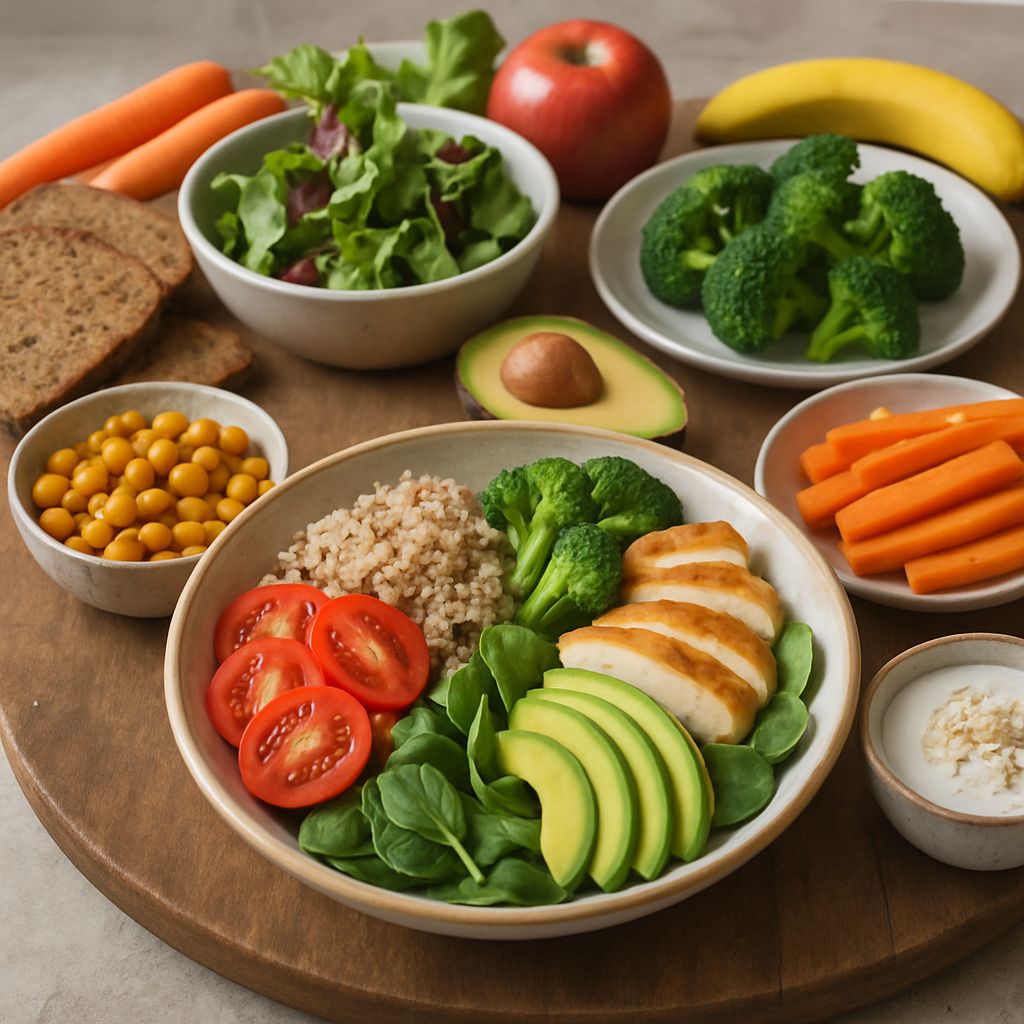
Prioritize whole, minimally processed foods during this transition: lean proteins like chicken breast, salmon, and eggs; complex carbohydrates like sweet potatoes, oats, and legumes; and healthy fats from sources like avocado, olive oil, and nuts. These foods support hormonal recovery — particularly the normalization of leptin and ghrelin levels — while providing the nutritional density your body needs after a period of restriction.
Resistance training becomes especially important in the post-diet phase. It accelerates the restoration of muscle mass lost during the deficit, which directly raises your resting metabolic rate and gives you more caloric room to eat without regaining fat. Think of the post-diet period not as “going back to normal” but as the beginning of a new, higher-quality baseline — one that supports the body composition you worked hard to achieve. For comprehensive support in building that foundation, Health.com offers evidence-backed resources to help you maintain your results for the long term.