Article-At-A-Glance: Meal Replacement Shake Transformations
- Meal replacement shakes can accelerate fat loss by simplifying calorie control — research shows they may produce greater weight loss than calorie restriction alone.
- Real transformations typically begin showing results within 2 to 4 weeks, with more significant changes appearing between weeks 3 and 8 of consistent use.
- The best shake for your transformation depends on your goal — weight loss, muscle gain, or simply better nutrition — and choosing the wrong one can slow your progress significantly.
- Consistency matters more than perfection — people who replace one to two meals per day with a quality shake while eating balanced whole food meals see the strongest long-term results.
- There are critical mistakes most beginners make when starting a meal replacement plan — and avoiding them could be the difference between stalling out and hitting your goal weight.
Most people don’t fail at weight loss because they lack willpower — they fail because managing calories, nutrition, and time all at once is genuinely hard.
Meal replacement shakes cut through that complexity. Instead of tracking every macro in a home-cooked meal, you swap one or two meals for a shake with a known calorie count, a solid protein hit, and a controlled macro profile. It sounds simple because it is — and the results people are getting back up the approach.
But not all shakes are created equal, and not all transformation strategies work the same way. Understanding how meal replacements actually drive results — and where most people go wrong — is what separates a 25-pound success story from a two-week experiment that goes nowhere.
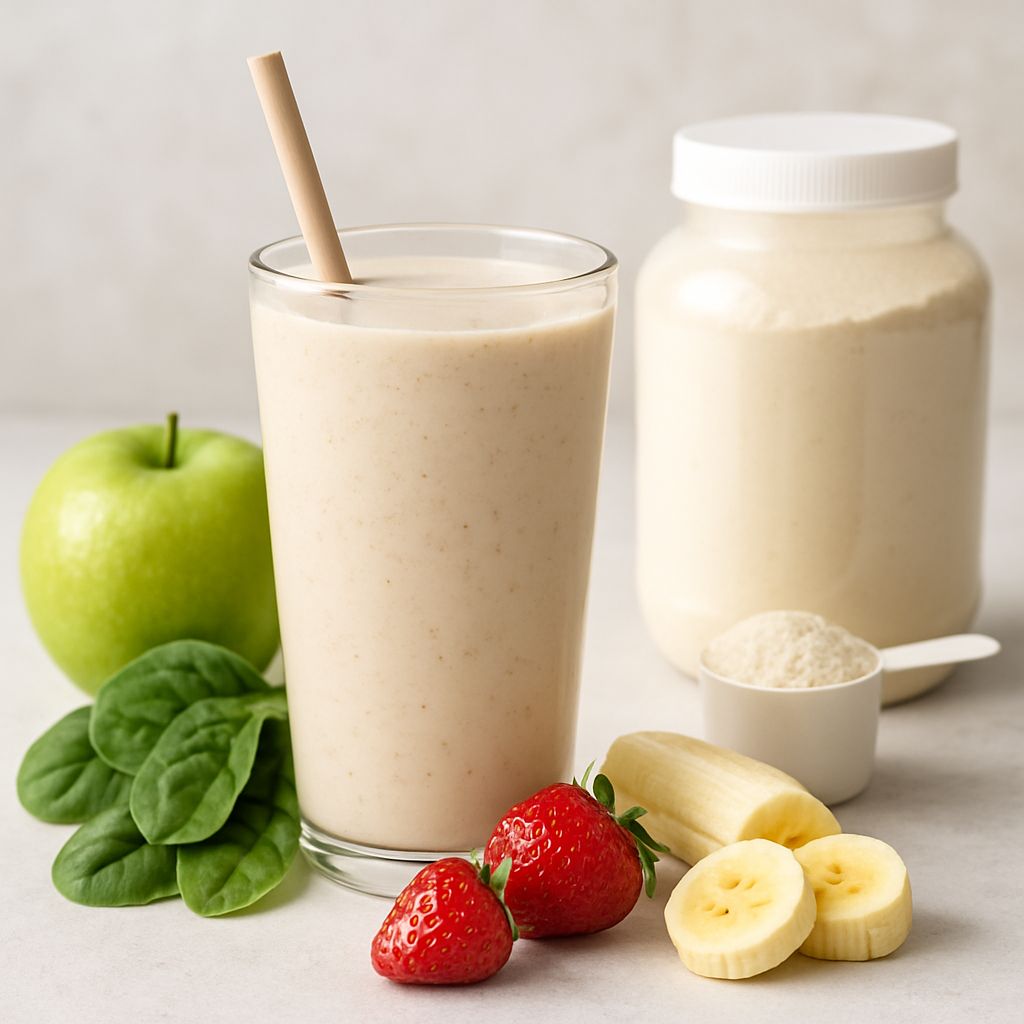
Real People, Real Results: What Meal Replacement Shakes Can Do
The most compelling case for meal replacement shakes isn’t found in a lab — it’s found in the lived experience of people who’ve lost 20, 30, even 50 pounds using them as a core strategy. Journeys like the widely shared “How I Finally Lost Weight Using Meal Replacement Shakes: My 25lb Journey” story resonate because they’re not about some extreme protocol. They’re about a sustainable, repeatable habit that removed the daily friction of food decisions.
What makes these transformations stick is the structure shakes provide. When you know exactly what you’re consuming for breakfast or lunch — say, a Huel Ready-to-Drink at 400 calories with a controlled macronutrient split — you’ve already eliminated two of the biggest variables that derail most diets: portion distortion and decision fatigue. The rest of your eating becomes easier to manage by default.
How Meal Replacement Shakes Actually Work for Weight Loss
At their core, meal replacement shakes create a calorie deficit without requiring you to obsess over every bite. They work by swapping a high-calorie, often nutrient-poor meal for a nutritionally complete shake with a predictable calorie count — usually somewhere between 200 and 400 calories depending on the product.
The mechanism is straightforward: consume fewer calories than you burn, and your body taps into stored fat for energy. What shakes do particularly well is make that deficit easier to maintain without feeling deprived — largely because of their protein content and the satiety that comes with it.
Calorie Control Without Constant Counting
One of the most underrated advantages of using meal replacement shakes is the elimination of calorie guesswork. A homemade meal — even a “healthy” one — can swing by hundreds of calories depending on portion sizes, cooking oils, and ingredient variations. A meal replacement shake has a fixed, labeled nutritional profile.
For a transformation to work, this kind of precision matters. Here’s what consistent calorie control through shakes looks like in practice:
- Breakfast swap: Replace a 600-calorie morning meal with a 400-calorie Huel Ready-to-Drink — save 200 calories daily, or 1,400 calories per week, without any effort.
- Lunch replacement: Swap a restaurant lunch averaging 800–1,000 calories for a Ka’Chava Shake at around 240 calories per serving.
- Snack replacement: Use a lower-calorie shake option to kill afternoon hunger before it leads to poor vending machine decisions.
Those savings compound fast. Over 30 days, a consistent 300-calorie daily deficit from a single meal swap adds up to roughly 2.5 pounds of fat loss — without changing anything else about your lifestyle.
The Role of Protein in Keeping You Full
Protein is the single most important macronutrient for body transformations, and quality meal replacement shakes deliver it in meaningful amounts. High protein intake supports muscle retention during weight loss, increases satiety, and keeps hunger hormones like ghrelin in check between meals. When evaluating a shake’s transformation potential, protein content is the first number to look at.
- Huel Black Edition: 40g of protein per serving — one of the highest in the meal replacement category
- Ka’Chava Shake: 25g of protein per serving with a plant-based blend
- Huel Ready-to-Drink: 20g of protein per 400-calorie bottle
- 310 All-in-One Meal Replacement Shake: 15g of protein in a gluten-free formula
The higher the protein content relative to total calories, the more the shake will suppress appetite and protect lean muscle — two factors that determine the quality of your transformation, not just the quantity of weight lost.
Why Consistency Beats Perfection Every Time
The biggest driver of transformation results isn’t which shake you pick — it’s whether you actually use it every day. A person who drinks a Ka’Chava Shake every morning for 90 days will outperform someone who uses Huel Black Edition three times a week whenever they remember. The shake is the tool; the habit is the real transformation engine.
Before and After: What a Typical Transformation Looks Like
Transformations don’t happen overnight, but they also don’t require months of waiting before you see anything. The timeline follows a fairly predictable pattern when someone consistently replaces one to two meals per day with a quality shake while maintaining reasonable whole-food eating habits.
The First Two Weeks: What Changes First
The first thing most people notice in weeks one and two isn’t fat loss — it’s reduced bloating and better digestion. Switching from a processed, high-sodium restaurant meal to a nutritionally balanced shake naturally reduces water retention and gut inflammation. The number on the scale often drops noticeably in this phase, sometimes 3 to 5 pounds, but much of that is water weight. For those interested in crash diet plans, check out Best Crash Diet Plans, Realistic Transformation Goals & Success Tipsfor more information on other methods of losing weight fast.
Energy levels also shift during this period. Some people feel a slight adjustment phase as their bodies adapt to lower calorie intake and different macronutrient timing. Others report feeling noticeably better within days — more stable energy without the post-lunch crash that heavy meals typically trigger.
Managing expectations here is important. Week one and two results are real, but they’re not all fat. The water weight loss is a sign that your body is responding — it’s not a trick, but it’s also not the whole story. The fat loss that follows in weeks three through eight is where transformations become visually apparent.
Week 1–2 Snapshot: What’s Likely Happening
📉 Scale drops 3–5 lbs — mostly water and glycogen reduction
💪 Bloating decreases — cleaner nutrition means less gut inflammation
⚡ Energy shifts — some adjustment, then stabilization
🧠 Habit forms — the routine of a shake replaces the chaos of meal decisions
📊 Actual fat loss begins — roughly 0.5–1 lb of true fat loss starts accumulating
Think of the first two weeks as your body resetting — clearing out the noise so the real transformation can begin.
Weeks 3 to 8: Where the Real Results Show Up
This is the window where before-and-after photos start telling a story. With water weight stabilized, the scale now reflects actual fat loss — and at a consistent calorie deficit driven by daily shake use, that can mean 1 to 2 pounds of fat per week. Over six weeks, that’s a realistic 6 to 12 pounds of genuine fat loss.
Clothing fits differently. Energy is more consistent. People around you start to notice. This is also the phase where the habit becomes automatic rather than effortful — the shake is just part of your morning or midday routine, no different from brushing your teeth.
Beyond 60 Days: Sustaining Your Progress
At the 60-day mark, the question shifts from “does this work?” to “how do I keep this going?” The people who sustain their transformations are the ones who transition meal replacement shakes from a short-term weight loss tool to a long-term lifestyle habit — keeping one shake per day even after hitting their goal weight to maintain calorie awareness and nutritional consistency.
Those who stop entirely often see gradual weight regain — not because shakes are magic, but because the structure they provided disappears. The lesson isn’t that you need shakes forever. It’s that the habits shakes build — portion awareness, consistent protein intake, structured mealtimes — are worth keeping in some form.

What the Research Says About Meal Replacement Results
Anecdotal transformations are compelling, but the science behind meal replacement shakes as a weight loss strategy is equally strong. This isn’t a fad with no evidence — there’s a meaningful body of clinical research supporting their effectiveness, particularly when used as a structured partial meal replacement approach.
The key phrase researchers use is “partial meal replacement” — replacing one or two meals per day with a shake while eating one balanced whole-food meal. This approach consistently outperforms vague dietary advice in clinical settings because it removes ambiguity. There’s no interpretation required; the shake is the meal.
Clinical Evidence on Weight Loss With Meal Replacements
Research published on PubMed (NCBI) found that replacing some food calories with meal replacement shakes may contribute to greater weight loss compared to calorie restriction alone. The distinction matters: it’s not just that shakes help you eat less — they help you eat less more effectively than simply being told to eat less. The structure and convenience of a preportioned, nutritionally complete shake removes the behavioral friction that causes most traditional diets to fail.
The GGR testing team — made up of certified personal trainers, certified nutrition coaches, and professional athletes — tested multiple meal replacement shakes over several weeks of real-world use, adding practical behavioral data to the clinical picture. Their findings consistently showed that shakes with higher protein content, moderate calories, and low added sugar produced the most satisfying results across different body types and goals.
How Meal Replacements Compare to Traditional Calorie Restriction
Traditional calorie restriction — being told to “eat less and move more” — fails most people not because the science is wrong, but because the execution is nearly impossible to sustain without structure. Tracking every meal, weighing portions, and resisting the psychological pull of habitual eating patterns requires constant mental energy. Meal replacement shakes solve this by removing the decision entirely for one or two meals per day.
The clinical data backs this up. Research indexed on PubMed shows that subjects using meal replacements as part of a structured plan lost more weight than those following traditional calorie-restricted diets alone — even when the total calorie targets were similar. The difference isn’t magic; it’s behavioral. A shake removes the gap between intention and action.
Meal Replacement Shakes vs. Traditional Calorie Restriction
📊 Calorie accuracy: Shakes — fixed, labeled calories every time | Traditional diet — highly variable, easy to underestimate
⏱ Time required: Shakes — under 2 minutes | Traditional diet — 30–60+ minutes of cooking and planning
🧠 Decision fatigue: Shakes — eliminated for replaced meals | Traditional diet — constant food decisions throughout the day
💪 Protein consistency: Shakes — guaranteed per serving | Traditional diet — inconsistent without careful planning
📉 Long-term adherence: Shakes — higher due to simplicity | Traditional diet — lower due to complexity and willpower dependence
This comparison isn’t about dismissing whole foods — it’s about recognizing that a tool which reduces behavioral complexity will always outperform one that requires perfect self-discipline. For most people, meal replacement shakes are the more realistic, more sustainable path to a meaningful transformation.
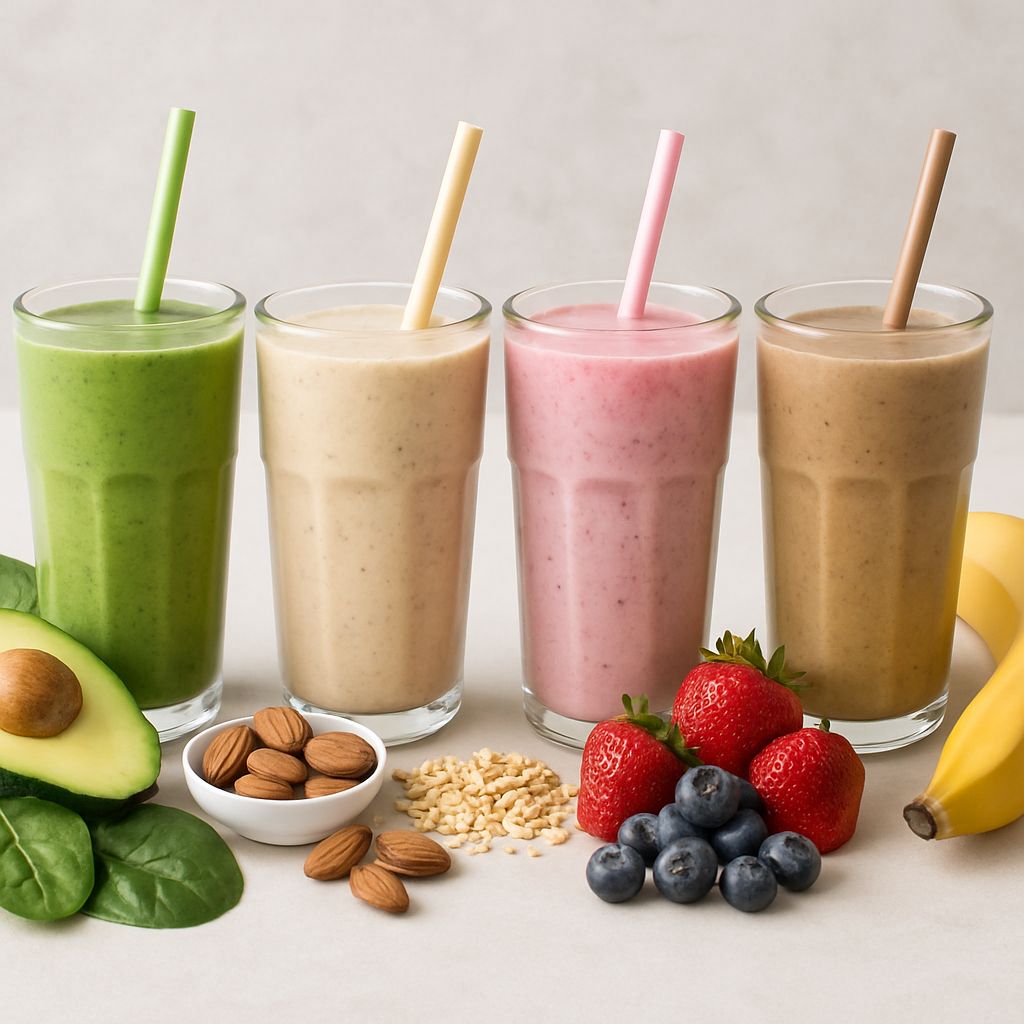
The Best Meal Replacement Shakes for Transformations
Choosing the right shake is where most people stumble. The market is flooded with products that look similar on the label but perform very differently in real-world use. Based on rigorous testing by certified nutrition coaches and personal trainers, these are the shakes that consistently deliver across taste, nutrition, and transformation results.
Best Overall: Transparent Labs Mass Gainer
The Transparent Labs Mass Gainer earns its overall top spot for people whose transformation goal involves building size and strength, not just losing fat. It delivers a dense caloric payload with clean, transparent ingredient sourcing — no proprietary blends, no hidden fillers. If your before-and-after involves adding muscle mass, this is the shake built for that outcome. It’s a true meal replacement in the mass-building sense, designed to fuel hard training and serious growth.
Best for Weight Loss: Huel Ready-to-Drink
The Huel Ready-to-Drink is the standout pick for fat loss transformations. Each bottle delivers exactly 400 calories with a balanced split of protein, complex carbohydrates, and healthy fats — making it a genuine meal replacement rather than a glorified protein shake. It’s gluten-free, non-GMO, and dairy-free, which broadens its usability across different dietary profiles.
What sets the Huel Ready-to-Drink apart for weight loss is its combination of completeness and convenience. You don’t need to blend, measure, or prepare anything. Grab it, drink it, move on with your day. For someone managing a busy schedule while trying to create a consistent calorie deficit, that frictionless execution is a genuine advantage that compounds over weeks and months of use.
Best Tasting: Ka’Chava Shake
Taste compliance is a real factor in transformation success — a shake you dread drinking is a shake you’ll eventually stop drinking. The Ka’Chava Shake solves that problem. With 25 grams of plant-based protein per serving and a flavor profile that testers consistently rate as the most enjoyable in the category, it’s the shake most likely to become a habit you actually look forward to. If palatability is your barrier to consistency, Ka’Chava removes it.
Best Vegan Option: Huel Black Edition
The Huel Black Edition is one of the most protein-dense meal replacement shakes available — delivering 40 grams of protein per serving from a fully plant-based source. For vegan individuals pursuing a body composition transformation, the challenge is always hitting adequate protein without animal products. Huel Black Edition solves that directly. It’s also low in sugar and designed to support both fat loss and muscle retention simultaneously, making it one of the most versatile options in the entire category.
Best Gluten-Free: 310 All-in-One Meal Replacement Shake
The 310 All-in-One Meal Replacement Shake is purpose-built for people who need a gluten-free option without sacrificing nutritional quality. It provides 15 grams of protein per serving in a clean formula that avoids the most common dietary triggers. For individuals managing gluten sensitivity or celiac disease alongside a weight loss goal, the 310 shake removes the need to cross-reference ingredient lists — the formulation does that work for you.
It fits cleanly into a calorie-controlled meal plan and works particularly well as a lunch replacement for those who find midday eating decisions the hardest to manage. At a moderate calorie count, it keeps the deficit intact without leaving you hungry two hours later.
Common Mistakes That Slow Down Your Transformation
The mechanics of meal replacement shakes are simple, but simple doesn’t mean mistake-proof. The people who stall out or give up within the first month almost always share one of a handful of common errors — errors that are completely avoidable once you know what to look for.
Understanding these pitfalls before you start is the difference between a transformation that unfolds steadily over 60 to 90 days and a frustrating cycle of starting over. The shake is rarely the problem. The strategy around it usually is.
Replacing Too Many Meals at Once
Going from three full meals to two or three shakes per day from the start is one of the most common — and counterproductive — moves beginners make. The logic seems sound: more shakes, fewer calories, faster results. But the reality is that aggressive calorie restriction triggers adaptive responses in the body. Metabolism slows, hunger hormones spike, and adherence collapses within weeks.
The smarter approach is a graduated entry. Start with one meal replacement per day for two weeks, let your body and habits adapt, then assess whether adding a second replacement makes sense for your goals. Most people find that replacing a single meal — typically breakfast or lunch — produces steady, sustainable results without the burnout that comes from an all-or-nothing approach.
⚠ The Overreplacement Trap: What Happens When You Go Too Hard Too Fast
📅 Week 1–2: Rapid scale drop feels motivating — mostly water weight
📅 Week 3: Hunger becomes intense, energy crashes, cravings escalate
📅 Week 4: Adherence breaks down — cheat meals become cheat days
📅 Week 5: Abandonment of the plan entirely, often with weight regain
✅ The Fix: One shake per day for weeks 1–2. Evaluate. Add a second only if hunger and energy are stable.
Patience in the setup phase is not a weakness — it’s the strategy that keeps you in the game long enough to see real results. The people with the most dramatic 90-day transformations almost always started slower than they wanted to.
Ignoring the Rest of Your Diet
A meal replacement shake cannot undo a chaotic diet in the meals surrounding it. If you replace breakfast with a 400-calorie Huel Ready-to-Drink and then eat a 1,200-calorie restaurant lunch and a 900-calorie dinner, you’ve negated the entire calorie benefit of the shake. The shake controls one meal — you still have to make reasonable decisions for the rest of the day. This doesn’t mean perfect eating, but it does mean intentional eating. The shake is an anchor for your nutrition plan, not a license to eat freely around it.
How to Set Up Your Meal Replacement Plan for Maximum Results
A well-structured meal replacement plan doesn’t require a nutrition degree or a rigid 12-week protocol. It requires four deliberate decisions made upfront — decisions that align your shake strategy with your actual goal, lifestyle, and starting point. Get these right, and the results follow naturally.
1. Pick the Right Shake for Your Goal
The shake you choose should directly reflect what your transformation actually looks like. If you’re trying to lose fat, a lower-calorie, higher-protein option like the Huel Ready-to-Drink at 400 calories with 20 grams of protein is your starting point. If you’re trying to add size and muscle, the Transparent Labs Mass Gainer delivers the caloric density you need to fuel growth. Matching the product to the goal isn’t a minor detail — it’s the foundation the entire plan rests on.
Don’t get distracted by marketing language. Focus on three numbers when evaluating any shake: total calories, protein grams, and added sugar content. A quality meal replacement shake for fat loss should sit between 200 and 400 calories, deliver at least 15 to 20 grams of protein, and keep added sugar minimal. Those three filters alone will eliminate most of the noise in the market.
2. Decide Which Meal to Replace First
Breakfast and lunch are the two meals most people find easiest to replace consistently — and for good reason. Morning hunger is often manageable, and the convenience of a ready-to-drink shake beats scrambling for food before work. Lunch replacements work well for people who eat out frequently, where calorie control is nearly impossible without a structured alternative.
Pick the meal where your worst food decisions happen most often. If you routinely skip breakfast and then overeat at lunch, replace breakfast. If your lunch habits are the weak point — drive-throughs, cafeteria food, takeout — replace lunch. Target the meal that creates the most caloric damage in your current routine, and you’ll see the fastest initial results from a single daily shake.
3. Track Progress Beyond the Scale
The scale is one data point, not the whole story. During a meal replacement transformation, especially in the first four weeks, body composition shifts in ways the scale often fails to capture. You can be losing fat and gaining muscle simultaneously, with the scale barely moving — while your body is visually and functionally changing in meaningful ways.
Track multiple indicators to get a complete picture of your progress. This prevents the discouragement that kills most diet attempts before the results fully materialize — and keeps you anchored in what’s actually happening rather than one number that fluctuates daily based on hydration, salt intake, and sleep.
📋 Progress Tracking Beyond the Scale
📏 Body measurements: Waist, hips, chest, arms — measure weekly, same time of day
📸 Progress photos: Front, side, back — taken every two weeks in consistent lighting
👕 Clothing fit: How jeans and shirts fit is often more telling than any number
⚡ Energy levels: Rate your daily energy 1–10 each morning — trends reveal a lot
🏋 Performance markers: Strength, endurance, and recovery improvements signal body composition changes
📊 Weight trend (not daily weight): Use a 7-day rolling average to smooth out natural fluctuations
Give your transformation at least 30 days before making any major adjustments to your plan. Short-term fluctuations are normal and expected — what matters is the direction of the trend over weeks, not what the scale says on any given Tuesday morning.
4. Pair Shakes With Whole Food Meals That Support Your Goals
Your one or two daily whole-food meals should reinforce what your shake is doing — not undermine it. Focus on lean proteins like chicken, fish, eggs, or legumes, paired with fibrous vegetables and complex carbohydrates like sweet potato, brown rice, or quinoa. These meals don’t need to be elaborate. Simple, protein-centered plates eaten at a reasonable calorie level are all you need to support the calorie deficit your shake creates. Think of your whole-food meal as the complement to your shake strategy, not a separate, unrelated part of your day.
Meal Replacement Shakes Are a Tool, Not a Magic Fix — But They Work
No shake will compensate for a completely unchecked diet, zero physical activity, or chronic sleep deprivation. But within a realistic lifestyle — one where you’re making reasonable choices most of the time — meal replacement shakes are one of the most effective, evidence-backed tools available for driving a real body transformation. They reduce complexity, enforce calorie control, deliver consistent nutrition, and build habits that outlast any short-term diet program.
💡 The Transformation Formula
Right Shake + Consistent Use + Reasonable Whole-Food Meals + Progress Tracking = Real, Sustainable Transformation
The shakes handle the structure. You handle the consistency. The results take care of themselves.
The transformations that people share online — the 25-pound losses, the dramatic before-and-after photos, the energy and confidence gains — aren’t the result of a perfect plan. They’re the result of a simple plan executed consistently over enough time. Meal replacement shakes make that simplicity possible by eliminating the daily decisions that derail most people before they ever reach their goal.
Start with one shake per day. Pick a product that matches your goal. Eat sensibly around it. Track more than just the scale. That’s the entire framework — and it works because it’s built for real life, not ideal conditions.
Frequently Asked Questions
If you’re new to meal replacement shakes or considering a transformation plan, these are the questions that come up most often — answered directly based on what the research and real-world results actually show.
How Long Does It Take to See Results With Meal Replacement Shakes?
Most people notice initial changes — reduced bloating, more stable energy, and early scale movement — within the first one to two weeks. Visible fat loss results typically become apparent between weeks three and eight, with more significant body composition changes showing up at the 60 to 90-day mark for those who stay consistent. The timeline depends on how large your calorie deficit is, your starting point, and whether you’re combining shakes with any physical activity.
Can You Lose 25 Pounds Using Meal Replacement Shakes?
Yes — and real documented journeys like “How I Finally Lost Weight Using Meal Replacement Shakes: My 25lb Journey” show exactly how. Losing 25 pounds with meal replacement shakes is realistic over a four to six month timeframe when you’re consistently replacing one to two meals per day, maintaining a calorie deficit through your remaining meals, and staying active at a basic level. The shakes don’t create the loss on their own — they make the calorie deficit manageable enough to sustain long enough to produce that kind of result.
Is It Safe to Replace Two Meals a Day With Shakes?
For most healthy adults, replacing two meals per day with a high-quality, nutritionally complete meal replacement shake is considered safe — provided the shakes genuinely cover the micronutrient and macronutrient bases a real meal would. Products like the Huel Black Edition and Ka’Chava Shake are formulated with this use case in mind. That said, if you have any underlying health conditions, are pregnant, or are on medication that interacts with diet changes, consult a healthcare provider before making any significant dietary shift.
Do Meal Replacement Shakes Work Without Exercise?
They do — and this is one of the most misunderstood aspects of meal replacement transformations. Weight loss fundamentally comes down to a calorie deficit, and meal replacement shakes create that deficit through controlled calorie intake, not necessarily through increased calorie burning via exercise. Someone who replaces one meal per day with a 400-calorie shake and saves 300 to 400 calories relative to their previous meal will lose weight over time regardless of whether they exercise.
That said, combining shakes with even moderate physical activity — three to four sessions of walking, resistance training, or cardio per week — dramatically improves the quality of the transformation. Exercise helps preserve lean muscle during fat loss, which means you end up looking leaner and more defined rather than just smaller. The shake drives the deficit; exercise shapes the outcome.
What Is the Best Meal Replacement Shake for Weight Loss Transformations?
The Huel Ready-to-Drink is the top recommendation for weight loss transformations based on its combination of complete nutrition, convenience, and controlled calorie delivery. At 400 calories per bottle with 20 grams of protein, it functions as a true meal replacement — not a snack or a supplement — and its ready-to-drink format removes every barrier to daily use.
That said, the “best” shake is ultimately the one you’ll actually use every day. Here’s a quick reference based on specific transformation goals:
- Best for fat loss: Huel Ready-to-Drink — 400 calories, 20g protein, dairy-free and non-GMO
- Best for building muscle mass: Transparent Labs Mass Gainer — highest caloric density with clean ingredient sourcing
- Best for taste-driven compliance: Ka’Chava Shake — 25g plant-based protein with consistently high palatability ratings
- Best for vegans maximizing protein: Huel Black Edition — 40g protein per serving from a fully plant-based formula
- Best for gluten-free needs: 310 All-in-One Meal Replacement Shake — clean formula, 15g protein, designed for dietary sensitivity
No single shake works best for every person or every goal — but every shake on this list has been tested by certified nutrition coaches and real-world users, not just evaluated on paper. Start with the one that matches your primary goal, commit to 30 days of consistent daily use, and measure the results before making any changes.
The structure is simple. The products are proven. What’s left is the decision to start — and the discipline to show up for one shake per day until your before photo becomes your after photo.
If you’re ready to take the first step toward your own transformation, explore evidence-tested options and expert guidance at Garage Gym Reviews — where certified trainers and nutrition coaches do the testing work so you don’t have to.