Key Takeaways: What Laser Lipo Can and Can’t Do For You
- Laser lipo is a body contouring tool, not a weight loss solution — it targets stubborn fat pockets in specific areas, typically reducing inches rather than pounds on the scale.
- Results from laser lipo can be long-lasting since the procedure destroys fat cells permanently — but gaining weight after treatment can still alter your results.
- The Cleveland Clinic confirms that thermal energy used during laser lipolysis stimulates collagen production, giving it a dual-action benefit: fat reduction and mild skin tightening.
- There are 5 persistent myths about laser lipo that mislead people into either overestimating or completely dismissing the treatment — we break them all down below.
- Laser lipo works best as part of a broader approach to health and body composition, not as a standalone fix.
Laser lipo sounds like the shortcut everyone’s been searching for — and the truth is more nuanced, more interesting, and more useful than the hype suggests.
If you’ve been grinding through workouts and watching your diet but still can’t shake that stubborn belly pouch or those love handles, you’re not imagining things. Some fat is genuinely resistant to even the most disciplined lifestyle efforts. That’s the specific problem laser lipo was designed to solve. For those exploring body contouring options, Regevity’s laser lipo services offer a medically supervised approach worth understanding before making any decisions.

Laser Lipo Is Not What Most People Think It Is
Most people walk into a consultation expecting laser lipo to be a weight loss procedure. It isn’t. Laser lipolysis is a body contouring procedure — one that uses laser energy to shrink or destroy fat cells in targeted areas of the body. The scale may barely move, but your shape can change noticeably. That distinction matters enormously when setting expectations.
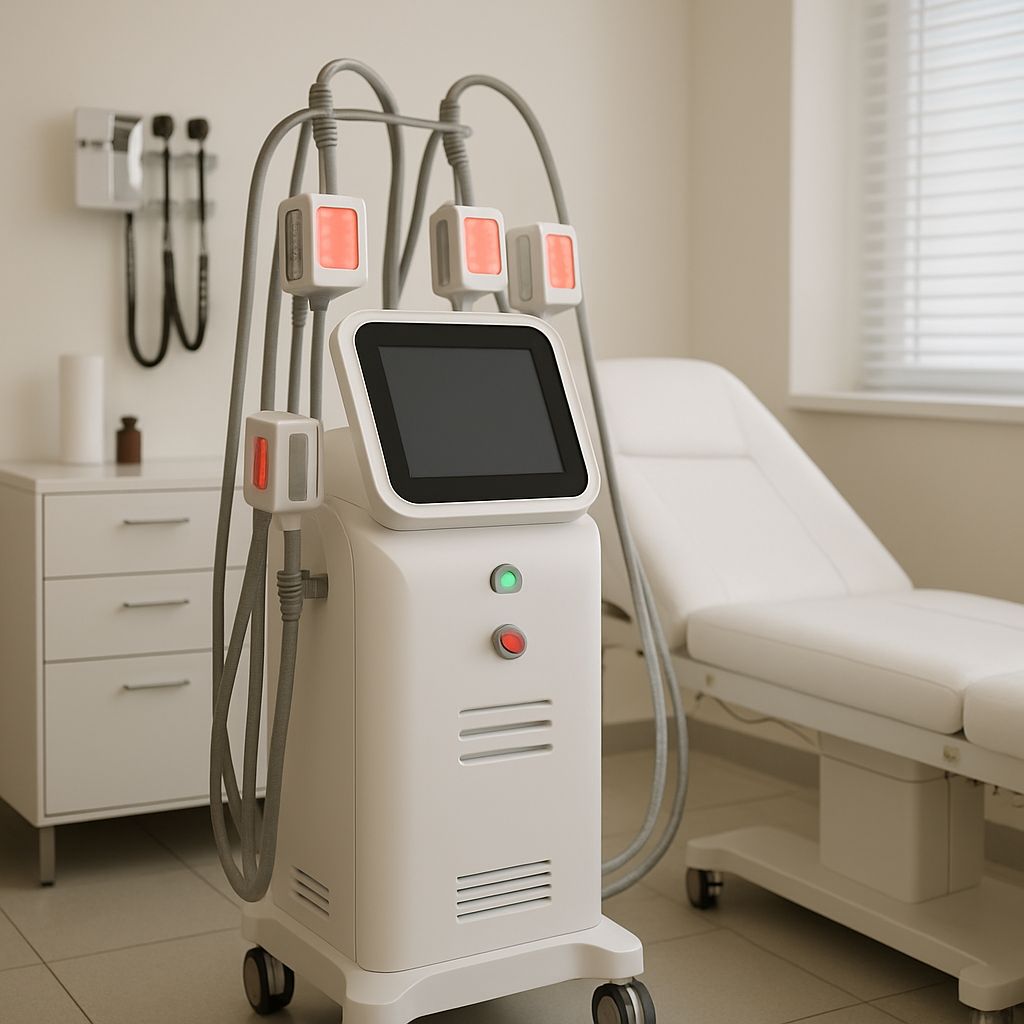
The procedure is performed while you’re awake, in a clinical office setting, with no general anesthesia required. Your doctor uses either a laser applicator placed on top of the skin (noninvasive) or a tiny laser fiber inserted through a micro-incision (minimally invasive) to heat and liquefy fat cells beneath the surface. Those disrupted fat cells are then naturally processed and eliminated by the body over the following weeks.
How Laser Lipo Actually Works on Fat Cells
Understanding the mechanism helps you use the treatment strategically. Laser energy — delivered at specific wavelengths — penetrates the skin and targets fat cell membranes. The heat causes those membranes to break down, releasing the stored fatty acids inside. The body’s lymphatic system then flushes out the cellular debris over time, gradually reducing volume in the treated area.
The Science Behind Laser Energy and Fat Breakdown
The laser doesn’t just heat tissue randomly. It’s calibrated to interact specifically with adipose (fat) tissue while leaving surrounding structures like nerves and blood vessels largely unaffected. This precision is what separates laser lipolysis from older, blunter fat reduction methods. The thermal energy creates a controlled disruption — enough to destroy fat cells, not enough to cause significant collateral damage to nearby tissue.
Minimally invasive laser lipo takes this a step further. A small cannula with a laser fiber is inserted directly into the fat layer, meaning the laser is working from the inside out. This direct contact approach tends to produce more dramatic results in a single treatment compared to the noninvasive surface-level application.
Why It Triggers Collagen Production
Here’s where laser lipo separates itself from simple fat removal. The thermal energy delivered during the procedure doesn’t just destroy fat — it heats the dermal layer of the skin, which triggers a wound-healing response. Part of that response is the stimulation of fibroblasts, the cells responsible for producing collagen. Over the weeks following treatment, new collagen forms, gradually tightening and firming the skin over the treated area. This is something traditional liposuction simply cannot replicate.
17% Fat Volume Reduction and 37% Skin Tightening: What the Research Shows
The numbers are specific and worth knowing. Research has shown that laser lipolysis can produce measurable fat volume reduction alongside meaningful skin tightening effects — the kind of dual outcome that makes it particularly appealing for areas like the abdomen, inner thighs, and arms where loose skin is a common concern alongside excess fat. Results typically become visible within weeks, but full outcomes can take up to three months to appear as the body completes its natural clearance process.
The Real Pros of Laser Lipo
Let’s be direct about what laser lipo genuinely delivers when performed correctly on the right candidate.
1. No Incisions, No Anesthesia, No Downtime
Noninvasive laser lipo requires zero cuts and zero anesthesia. You walk in, the procedure is performed, and you walk out. Even the minimally invasive version involves only a micro-incision — nothing requiring stitches or a surgical suite. Compare that to traditional liposuction, which involves general anesthesia, a surgical recovery room, compression garments for weeks, and up to six weeks of restricted activity. The contrast is significant for anyone who can’t afford extended downtime.
2. Targets Stubborn Fat in Delicate Areas
Laser lipo can be applied to areas that are difficult or risky to treat with traditional liposuction — including the chin, neck, upper arms, and inner knees. These smaller, more anatomically complex zones respond well to the precision of laser energy, making it a versatile option for targeted body sculpting rather than large-volume fat removal.
3. Skin Tightening That Liposuction Can’t Match
Traditional liposuction removes fat but leaves the skin to fend for itself — which can result in loose, sagging tissue post-procedure. Laser lipo’s collagen-stimulating effect addresses this directly, producing gradual skin tightening that improves the overall aesthetic result. For patients in their 40s and beyond, where skin elasticity is reduced, this benefit is particularly valuable.
4. FDA-Cleared Since 2006
Laser lipolysis isn’t experimental — it has been FDA-cleared since 2006, giving it nearly two decades of clinical use and post-market safety data. That regulatory history matters. It means the technology has been evaluated for both safety and efficacy by one of the most rigorous medical oversight bodies in the world.
Several specific devices have received FDA clearance for laser lipolysis, including systems that operate at wavelengths specifically calibrated to target adipose tissue. When you’re researching providers, confirming that the device being used carries FDA clearance is one of the most important due diligence steps you can take. Here’s what FDA clearance for laser lipo actually means in practical terms:
- The device has been tested and shown to be safe for use on human tissue
- Efficacy data has been reviewed and confirmed for fat reduction in targeted areas
- The cleared indication tells you exactly which body areas the device is approved to treat
- Post-market surveillance continues to monitor real-world outcomes and adverse events
- Providers using cleared devices are operating within a defined clinical framework
That said, FDA clearance applies to the device — not the provider. The skill, training, and clinical judgment of the person performing your treatment still play a major role in your outcome and safety profile.
5. Minimal Side Effects That Fade Fast
Compared to traditional liposuction, the side effect profile of laser lipo is remarkably mild. Most patients experience some temporary redness, mild swelling, or slight bruising in the treated area — all of which typically resolve within a few days. There’s no extended bruising, no drain tubes, and no weeks of compression garment requirements that come with surgical fat removal.
Normal activities can typically be resumed within days of treatment. For the minimally invasive version, some providers recommend avoiding strenuous exercise for a short window post-procedure, but the recovery arc is measured in days, not weeks. This makes laser lipo genuinely compatible with a busy, active lifestyle in a way that surgery simply isn’t.
The Real Cons of Laser Lipo
Laser lipo is a legitimate, effective procedure — but it has real limitations that are frequently glossed over in marketing materials. Knowing these going in protects you from disappointment and helps you use the treatment where it will actually deliver.
It Won’t Replace Diet and Exercise
This is the most important limitation to internalize. Laser lipo destroys existing fat cells in targeted areas, but it does nothing to prevent new fat storage. If your caloric intake exceeds your expenditure after treatment, your body will store fat — potentially in the same areas, or in new ones. The procedure does not change your metabolism, your hormonal environment, or your relationship with food.
Think of laser lipo as a finishing tool, not a foundation. The people who get the best long-term results are those who have already built sustainable nutrition and exercise habits and are using laser lipo to refine specific areas that haven’t responded to those efforts. Using it as a substitute for lifestyle change almost always leads to results that fade within a year or two.
The fat cells that laser lipo destroys are gone for good — that part is permanent. But the remaining fat cells in your body are fully capable of expanding if you gain weight. Maintaining your results requires the same commitment to healthy living that should ideally precede the procedure in the first place.
Results Are Measured in Inches, Not Pounds
If you step on the scale the week after laser lipo expecting a dramatic number change, you’ll be disappointed. The procedure targets localized fat deposits — the kind that change your silhouette, not your total body weight in any significant way. A successful treatment might reduce a targeted area by several inches while the scale moves only marginally.
This isn’t a flaw in the technology — it’s a function of what the technology is actually designed to do. Body contouring and weight loss are different goals that require different tools. Laser lipo is excellent at the former and largely irrelevant to the latter. Reframing success as improved shape and proportion rather than a lower number on the scale is essential for satisfaction with your outcome.
It Does Not Treat Cellulite
Cellulite is caused by the breakdown of connective tissue structure beneath the skin — specifically the fibrous bands that pull the skin downward, creating the characteristic dimpled appearance. Laser lipo targets fat cells, not connective tissue. Applying laser lipo to a cellulite concern will reduce fat volume in the area but leave the structural cause of cellulite completely unaddressed. If cellulite is your primary concern, treatments specifically designed for connective tissue remodeling — such as Cellfina or Emtone — are far more appropriate options.
Body Areas Laser Lipo Can Target
Laser lipolysis is approved and clinically used on a wide range of body areas. The most commonly treated zones include the abdomen, flanks (love handles), thighs — both inner and outer — upper arms, chin and neck, back, and chest. The precision of laser energy makes it particularly well-suited for smaller, contour-sensitive areas like the chin and inner knees where traditional liposuction carries higher risk. Your provider will assess each target area individually, as tissue thickness, skin laxity, and anatomical complexity all influence which approach — noninvasive or minimally invasive — is most appropriate.

Who Is the Right Candidate for Laser Lipo
Laser lipo works best for people who are already at or near a healthy weight but have specific, localized fat deposits that haven’t responded to diet and exercise. It is not a tool for significant weight loss and should not be approached as one. The ideal candidate has realistic expectations, good overall health, and understands that this procedure refines body composition rather than transforming it wholesale. For more information, you can read about laser lipolysis on WebMD.
Skin quality also matters. Because laser lipo relies partly on the skin’s ability to respond to collagen stimulation and contract over the treated area, candidates with reasonable skin elasticity tend to see better tightening results. Older patients or those with significantly reduced skin elasticity may see less dramatic tightening, though fat reduction will still occur.
Ideal Laser Lipo Candidate Profile:
✓ At or near a healthy, stable body weight
✓ Has specific stubborn fat deposits resistant to diet and exercise
✓ Non-smoker or willing to quit before and after treatment
✓ Realistic expectations about contouring versus weight loss
✓ Good skin elasticity in the target area
✓ Committed to maintaining results through healthy lifestyle habits
✗ Seeking significant total body weight loss
✗ Pregnant or breastfeeding
✗ Expecting cellulite treatment
✗ Looking for a one-session permanent transformation
Having an honest conversation with a qualified provider about your specific goals and anatomy is the only reliable way to determine if laser lipo is the right fit for you. A good clinician will tell you directly if a different approach would serve your goals better.
Health Conditions That Disqualify You
Certain medical conditions make laser lipolysis inadvisable or outright unsafe. Active infections in or near the treatment area, blood clotting disorders, a history of keloid scarring, liver disease, and certain autoimmune conditions are among the factors that can disqualify a candidate. Because the body’s lymphatic system plays a key role in clearing the disrupted fat cells post-treatment, any condition that significantly impairs lymphatic function may also affect both safety and outcomes.
Medications also matter. Blood thinners, certain anti-inflammatory drugs, and photosensitizing medications can all interact with the treatment in ways that increase risk. A thorough intake process with your provider should include a complete medication and health history review before any procedure is scheduled. Never withhold this information — what seems like an unrelated condition or medication to you may be clinically significant to your provider.
Realistic Expectations That Set You Up for Success
The patients who walk away most satisfied from laser lipo are the ones who came in knowing exactly what to expect. A realistic mindset isn’t pessimism — it’s the foundation of a genuinely good outcome. You should expect measurable inch loss in targeted areas, gradual improvement over 6 to 12 weeks as the body processes disrupted fat cells, and mild skin tightening that develops over the same window. You should not expect the scale to drop dramatically, cellulite to disappear, or loose skin from significant prior weight loss to be corrected.
One treatment session may be enough for some areas and goals. Others may require multiple sessions spaced several weeks apart to achieve the desired contour. Your provider should give you a specific, honest treatment plan — not a vague promise of transformation. If a consultation feels more like a sales pitch than a clinical discussion, that’s a sign to seek a second opinion from a different provider.
5 Laser Lipo Myths That Are Costing People Real Results
Misinformation around laser lipo is widespread — and it cuts both ways. Some people avoid a genuinely useful procedure because of unfounded fears. Others invest in it expecting miracles and end up frustrated. Here are the five most damaging myths, corrected:
- Myth: Laser lipo is a weight loss procedure. It isn’t. It’s a body contouring tool. The scale will not reflect dramatic changes. Your silhouette will.
- Myth: Results are permanent no matter what. The destroyed fat cells are gone for good — but remaining fat cells can still expand with weight gain. Maintaining results requires sustained healthy habits.
- Myth: Laser lipo treats cellulite. Cellulite is a connective tissue issue. Laser lipo targets fat cells. These are two entirely different structural problems requiring different solutions.
- Myth: One session gives you dramatic, immediate results. Results develop gradually over weeks as the lymphatic system clears disrupted fat cells. Full results can take up to three months to appear.
- Myth: Laser lipo is only for people who are already thin. While it’s not designed for significant weight loss, it works well for people within a moderate range of their healthy weight who have localized fat deposits that haven’t responded to lifestyle efforts.
Laser Lipo Alone Won’t Get You There, But Here’s What Will
Laser lipo is a precision instrument — remarkable in its specific application, but limited outside of it. The people who get the most from this technology are the ones who treat it as one component of a broader, committed approach to their health. That means pairing the procedure with consistent resistance training to build lean muscle, a nutrition strategy that supports fat loss and prevents new fat accumulation, adequate sleep and stress management (both of which directly impact fat storage hormones), and realistic timelines for body composition change.
The combination of laser lipo for targeted contouring and genuine lifestyle investment for overall body composition is where the most compelling transformations happen. The procedure gets you past the stubborn spots. Your daily habits protect and build on those results over time. Neither works as well without the other.
Frequently Asked Questions
These are the questions that come up most often — and the answers that actually help people make informed decisions about laser lipolysis.
Is laser lipo permanent?
The fat cells that laser lipo destroys are permanently removed — they cannot regenerate or return. In that specific sense, the results are permanent. However, the remaining fat cells throughout your body retain the full ability to expand if you gain weight after your procedure. So while the treated cells are gone for good, your overall body composition is still responsive to your lifestyle choices.
Think of it this way: laser lipo permanently reduces the number of fat cells in a specific area, but it does not permanently alter your body’s capacity to store fat overall. Long-term results depend heavily on maintaining a stable, healthy weight after treatment. Patients who gain significant weight after their procedure often find that fat redistributes into adjacent or new areas, changing their contour in unpredictable ways.
How many laser lipo sessions do you need to see results?
This varies depending on the area being treated, the amount of fat present, and the specific device and protocol being used. Some patients achieve their desired result in a single session. Others — particularly those targeting larger areas or seeking more dramatic contouring — may require two to four sessions spaced several weeks apart. Your provider should give you a specific, individualized treatment plan rather than a one-size-fits-all answer. Be cautious of providers who can’t give you a concrete estimate based on your anatomy and goals.
Does laser lipo hurt?
Most patients describe the noninvasive version as a warm or slightly tingling sensation on the skin — generally comfortable and well-tolerated without any anesthesia. The minimally invasive version involves a local anesthetic applied to the treatment area before the micro-incision is made, so the procedure itself is largely pain-free. Some soreness or tenderness in the treated area for a day or two following a minimally invasive session is normal and typically mild enough to manage without prescription pain medication.
How soon after laser lipo can you return to normal activities?
For noninvasive laser lipo, there is essentially no recovery period — most patients return to normal daily activities immediately following their session. For the minimally invasive version, light activities can typically be resumed within a day or two, with strenuous exercise and heavy physical exertion usually cleared within one to two weeks depending on your provider’s specific post-care protocol. The absence of general anesthesia means there’s no anesthesia recovery period, which is one of the most significant practical advantages over traditional liposuction.
Is laser lipo safe for everyone?
For most healthy adults with realistic goals and no disqualifying medical conditions, laser lipo has a well-established safety profile. It has been FDA-cleared since 2006 and has nearly two decades of clinical use data supporting its safety in appropriate candidates. Serious complications are rare when the procedure is performed by a trained provider using cleared equipment.
That said, it is not appropriate for everyone. Pregnant or breastfeeding individuals, those with active infections in the treatment area, people with blood clotting disorders, and those with certain autoimmune or liver conditions should not undergo the procedure. Specific medications — including blood thinners and photosensitizing drugs — can also affect candidacy and must be disclosed during your consultation.
The safety of any cosmetic procedure is also directly tied to the qualifications of the provider performing it. FDA device clearance governs the technology — not the skill of the clinician. Choosing a board-certified physician or a medically supervised clinical setting with demonstrable experience in laser lipolysis is one of the most impactful decisions you can make for both your safety and your outcome.
If you’re ready to explore whether laser lipo fits into your body contouring goals, Regevity offers medically supervised laser lipo treatments designed to deliver targeted, science-backed results as part of a comprehensive approach to your wellness journey.
Lipo-lasers have gained popularity as a quick and effective method for weight loss. However, it’s important to understand both the pros and cons before opting for this treatment. On the positive side, lipo-lasers are non-invasive and require no downtime, making them an attractive option for those with busy lifestyles. The procedure targets fat cells directly, which can lead to immediate results in terms of body contouring. However, potential drawbacks include the cost and the need for multiple sessions to achieve desired results. It’s also crucial to manage expectations, as results can vary from person to person. For more detailed insights, you might want to read about laser lipolysis and its effectiveness.