Key Takeaways: The Safety of Slimming Tea, its Benefits and Side Effects
- Most slimming teas work through laxative or diuretic effects, not actual fat burning — and that distinction matters for your safety.
- The FDA does not regulate or approve slimming teas, meaning some products may contain dangerous, unlisted ingredients.
- Senna, a common ingredient in slimming teas, can cause serious digestive issues and electrolyte imbalances when overused.
- Green tea polyphenols show the most legitimate research support for modest metabolic benefits and weight management.
- Certain groups — including pregnant women and people on medication — face higher risks and should consult a doctor before using any slimming tea.
Slimming tea can support your wellness routine, but what the label does not tell you could be the most important part.
Walk through any health food store and you will find an entire wall of teas promising to melt fat, flush toxins, and shrink your waistline in days. The marketing is bold. The ingredient lists, however, are often vague — and in some cases, genuinely risky. For natural remedy enthusiasts especially, it is worth separating what the research actually says from what the packaging wants you to believe. Resources like Natural Remedy Enthusiasts are a great place to start when you want grounded, evidence-aware information on herbal products like these.
The truth is that tea — real, traditional tea — does have meaningful health benefits. Some varieties even show genuine promise for weight management support. The problem starts when manufacturers add unlisted compounds, concentrated stimulants, or aggressive laxatives to a “slimming” blend and call it a natural product.
Slimming Tea Works — But Not How Most People Think
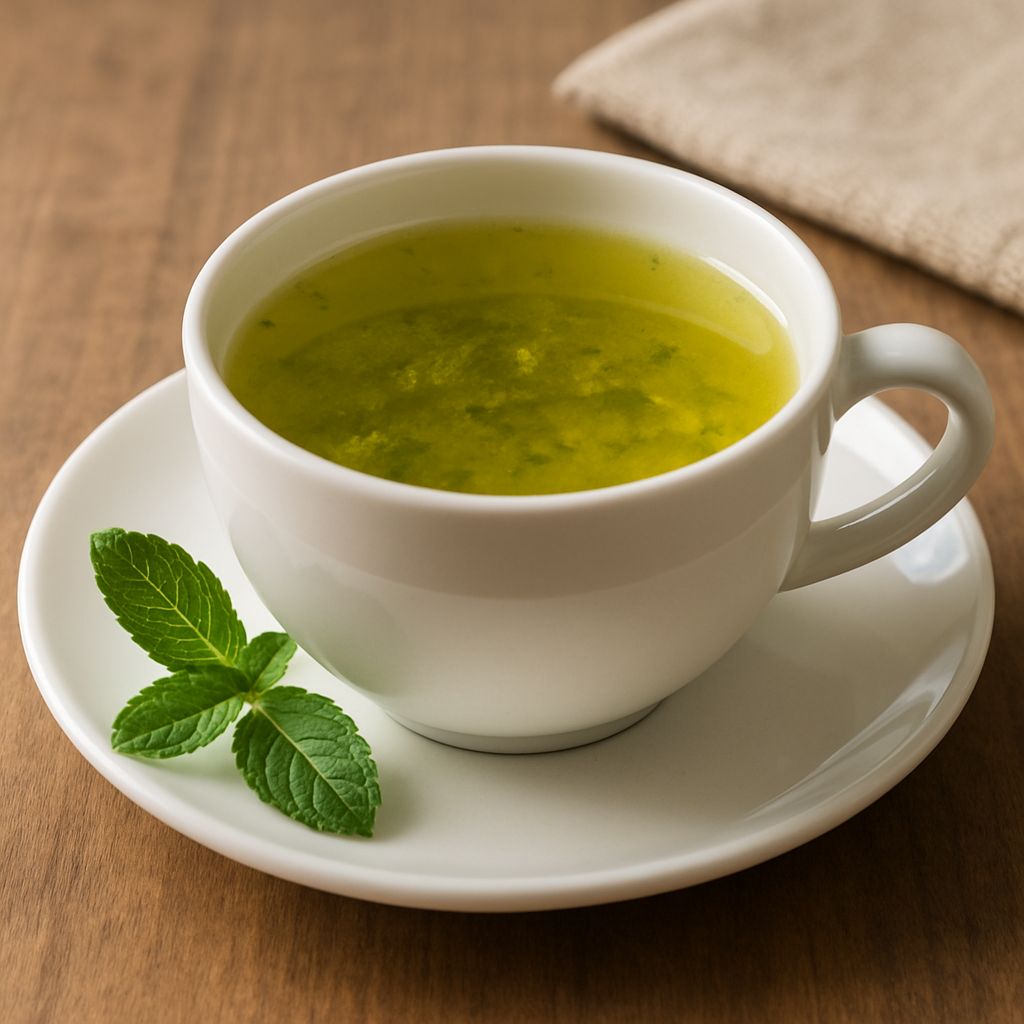
Most people assume slimming teas work by speeding up metabolism or blocking fat absorption. In reality, the weight loss most people experience after drinking a slimming tea is primarily water weight — driven by a laxative or diuretic effect, not any meaningful fat reduction. Once you rehydrate, that weight comes right back. For a deeper understanding of this process, consider exploring more about how slimming teas actually work.
The United States Food and Drug Administration does not recognize any slimming tea as an effective weight loss product. That is not a minor footnote — it means there is no federally verified standard of safety or efficacy these products are required to meet before hitting store shelves. Some teas and detox blends have been found to contain pharmaceutical drugs and synthetic chemicals that were never listed on the label.
That said, dismissing tea entirely would be a mistake. The polyphenols naturally present in green and black teas have shown genuine promise in both animal and human studies for supporting metabolic function and modest weight management. The key word is naturally present — not artificially concentrated or chemically altered.
Types of Slimming Tea and What They Actually Do
Not all slimming teas are the same, and lumping them together is where a lot of confusion begins. There are traditional teas with documented health properties, and then there are commercially branded “detox” or “slimming” products that borrow the word “tea” while operating more like supplements. Knowing the difference is the starting point for making a safe choice.
Green Tea: The Most Research-Backed Option
Green tea is the most studied tea in the context of weight management, and for good reason. It contains a specific group of antioxidants called catechins — particularly epigallocatechin gallate (EGCG) — which have been shown in multiple studies to support fat oxidation and improve metabolic markers. These effects are modest but real, especially when combined with regular physical activity.
Green tea also contains a moderate amount of caffeine, which contributes to its mild thermogenic effect. Unlike the extreme stimulant concentrations found in some commercial slimming blends, the caffeine in traditional green tea is balanced by an amino acid called L-theanine, which tends to smooth out the stimulant effect and reduce jitteriness. This makes green tea one of the safest starting points for anyone interested in tea-based weight support.
Oolong Tea and Fat Oxidation
Oolong tea sits between green and black tea in terms of oxidation level, and it brings a distinct set of benefits. Research has pointed to oolong’s ability to enhance fat oxidation, particularly after meals, and some studies suggest it may help reduce the absorption of fat and carbohydrates from food. Its polyphenol content overlaps with green tea but differs enough to offer complementary effects rather than identical ones.
Black Tea and Gut Health
Black tea is fully oxidized, which changes its polyphenol profile significantly. Rather than acting primarily through absorption into the bloodstream like green tea catechins, black tea polyphenols appear to work through the gut microbiome — promoting the growth of beneficial bacteria that are associated with healthier body weight and improved metabolic function. This is an emerging area of research, but the direction is promising.
For anyone already incorporating fermented foods or probiotics into their routine, black tea can serve as a complementary tool for gut-focused wellness without the risks associated with more aggressive slimming products.
Teas Marketed Specifically as “Slimming” or “Detox”
This is where the category gets complicated. Commercially marketed slimming teas and detox teas often contain a base of green or herbal tea alongside a range of added ingredients — senna leaf, cascara, dandelion root, guarana, or concentrated caffeine extracts. Some go further, including ingredients that have been flagged by health regulators. Because these products are sold as dietary supplements rather than drugs, the FDA does not evaluate them for safety or effectiveness before they reach consumers. Always read the full ingredient list before purchasing any product in this category.
The Real Safety Risks You Need to Know
This is the section that most slimming tea marketing skips entirely. The risks are real, documented, and in some cases serious enough to cause lasting harm — particularly with long-term use or in people who have underlying health conditions.
Senna: The Laxative Ingredient Hidden in Many Slimming Teas
Senna is a natural laxative derived from the leaves and pods of the Senna alexandrina plant. It is FDA-approved as a short-term laxative for occasional constipation — but it is not intended for regular, ongoing use. Many slimming teas include senna as a primary active ingredient, often without making that obvious on the front label.
Consuming too much senna or using it regularly can lead to a range of side effects, including:
- Severe stomach cramping and diarrhea
- Electrolyte imbalances, particularly low potassium
- Dehydration
- Dependency — where the bowel stops functioning normally without stimulation
- Liver damage with prolonged overuse
The weight loss people attribute to senna-containing teas is almost entirely water and waste — not fat. And the cost to your digestive system over time can be significant.
Ephedra and Stimulant Ingredients Linked to Serious Health Events
Ephedra — also known as ma huang — was once a common ingredient in weight loss supplements, including some tea-based products. It was banned by the FDA in 2004 following reports of heart attacks, strokes, and deaths linked to its use. However, related compounds and high-dose stimulant blends still appear in some products sold online, particularly those imported from markets with less stringent regulation.
Even without ephedra specifically, concentrated guarana, synephrine (from bitter orange), and high-dose caffeine extracts present real cardiovascular risks — especially when combined, stacked with other supplements, or consumed by people with underlying heart conditions. A tea that causes your heart to race or your hands to shake is not “boosting your metabolism” safely. It is placing unnecessary stress on your cardiovascular system.
The FDA Does Not Regulate or Approve Slimming Teas
The FDA classifies slimming teas as dietary supplements, not drugs. That single classification has enormous practical consequences for consumers. It means manufacturers are not required to prove their product is safe or effective before selling it. They are not required to disclose every ingredient at an accurate dosage. And they are not required to report adverse events to regulators unless those events become severe enough to trigger a formal investigation.
In recent years, the FDA has issued multiple warnings and product recalls related to weight loss teas and detox products found to contain undisclosed pharmaceutical ingredients — including sibutramine, a controlled appetite suppressant that was pulled from the U.S. market in 2010 due to cardiovascular risks. If you are purchasing a slimming tea online, especially from international sellers, you are operating with very limited consumer protection. That is not fearmongering — it is the regulatory reality.
Drug Interactions and Who Should Avoid Slimming Teas
Even ingredients that are genuinely natural can interfere with medications in ways that are clinically significant. Herbal does not mean harmless, and this is one of the most important distinctions for anyone managing a health condition while exploring natural remedies.
Green tea extract, for example, can affect the absorption of certain medications, including some blood pressure drugs and statins. Senna can accelerate gut motility to a degree that reduces how well oral medications are absorbed before they pass through the digestive system. Dandelion root, a common herbal addition in slimming blends, has a diuretic effect that can compound the action of prescription diuretics to dangerous levels.
Diuretic Medications and Tea: A Risky Combination
If you are taking a prescription diuretic — often called a water pill — for blood pressure, heart conditions, or kidney-related issues, adding a slimming tea with its own diuretic ingredients creates a compounding effect. The result can be dangerously low potassium levels (hypokalemia), which affects heart rhythm and muscle function. This is not a theoretical risk. It is a documented interaction pattern that clinicians actively warn patients about.
Groups Who Should Consult a Doctor First
Certain people face a meaningfully higher risk profile when it comes to slimming teas, and for these groups, a conversation with a healthcare provider is not optional — it is essential.
- Pregnant or breastfeeding women — stimulants and laxative compounds can affect fetal development and milk supply
- People with heart conditions — high caffeine and stimulant blends increase cardiac stress
- Those with irritable bowel syndrome (IBS) or Crohn’s disease — senna and aggressive herbal laxatives can trigger serious flares
- Anyone on blood thinners like warfarin — green tea in large amounts can affect clotting
- People with eating disorders — slimming teas can reinforce harmful patterns around food and digestion
- Children and teenagers — no slimming tea is appropriate for this age group
Genuine Benefits of Tea for Weight Management
Strip away the overclaimed marketing and there is still something genuinely worth discussing. Traditional teas — particularly green, oolong, and black — contain naturally occurring compounds that support metabolic health in ways that are backed by credible research. The benefits are supportive and incremental, not dramatic — but they are real.
Polyphenols and Metabolic Support
The polyphenols found in green and black teas have been studied in both animal models and human clinical trials for their effects on metabolism, fat oxidation, and insulin sensitivity. A review published in the European Journal of Nutrition found that green tea catechins, particularly EGCG, were associated with modest reductions in body weight and waist circumference, especially in individuals with higher baseline body weight. These are not dramatic numbers, but they represent a genuine physiological effect.
Oolong tea polyphenols have shown a specific ability to inhibit pancreatic lipase — an enzyme responsible for breaking down dietary fat for absorption. In practical terms, this means some of the fat from a meal may pass through the digestive system without being fully absorbed. Again, the effect is modest, but it reflects a real mechanism rather than a marketing claim.
Appetite and Hydration Effects
One underappreciated benefit of drinking tea for weight management is simply the hydration and volume it adds to your daily routine. Staying well-hydrated supports healthy metabolism, reduces false hunger signals, and replaces higher-calorie beverages. Swapping a daily sugary drink for a cup of green or oolong tea is a small change with compounding benefits over time — and it requires no special product or added ingredients to work.
How to Choose a Safe Slimming Tea
The safest slimming tea is almost always the simplest one. The more ingredients a product packs into a blend, the harder it becomes to identify what is actually working, what is causing side effects, and what the combined interaction profile looks like. Here is a practical framework for evaluating any slimming tea before you buy it.
1. Check the Ingredient List for Senna and Stimulants
Before anything else, flip the package over and read the full ingredient list. Senna may be listed as Senna alexandrina, senna leaf, or sennosides. High-stimulant ingredients may appear as guarana extract, synephrine, bitter orange peel, or green tea extract standardized to very high EGCG percentages. Any product that lists multiple stimulant-category ingredients should be approached with caution.
To make ingredient scanning easier, here is a quick reference for common slimming tea ingredients and their associated risk level:
Ingredient Common Use Risk Level Notes Senna leaf Laxative / “cleansing” High (with regular use) Not for daily or long-term use Green tea (EGCG) Metabolism support Low to Moderate Safe in traditional amounts; risks rise with high-dose extracts Guarana extract Stimulant / energy Moderate to High Very high caffeine concentration Dandelion root Diuretic Low to Moderate Caution with prescription diuretics Bitter orange (synephrine) Stimulant / appetite High Linked to cardiovascular side effects Oolong tea Fat oxidation support Low Well-tolerated in traditional amounts Cascara Laxative High (with regular use) Banned in some OTC products by the FDA
If a product contains three or more of the moderate-to-high risk ingredients listed above, that is a clear signal to look for a cleaner alternative.
2. Look for Teas With Recognized Natural Ingredients
The safest slimming teas are those built around well-studied, minimally processed base teas — green, oolong, black, or white — without aggressive additions. Ginger root is a reasonable addition for digestive support. Peppermint has a mild appetite-modulating effect. Hibiscus brings antioxidant compounds and a pleasant flavor without stimulant risk. These are the kinds of additions that complement the base tea rather than hijack the formula.
Look for products that clearly disclose the full botanical name of each ingredient, specify the plant part used (leaf, root, flower), and list actual quantities rather than hiding everything behind a proprietary blend. Transparency in labeling is one of the strongest signals of a trustworthy manufacturer. Proprietary blends, by contrast, are often used to obscure the ratio of cheap filler ingredients to active ones.
Third-party certification is another useful filter. Organizations like NSF International, USP (United States Pharmacopeia), and ConsumerLab independently test supplements and teas for ingredient accuracy, contamination, and label honesty. A slimming tea that carries one of these certifications has been evaluated by a party with no financial stake in the outcome — which is as close to independent verification as the supplement market currently offers.
3. Avoid Products Making Dramatic Weight Loss Claims
Red Flag Phrases to Watch For on Slimming Tea Labels:
- “Lose 10 pounds in 7 days”
- “Clinically proven to burn fat”
- “Detoxifies your liver and colon overnight”
- “No diet or exercise needed”
- “Doctor recommended” (without naming a specific, verifiable physician)
- “Secret ancient formula”
Under FTC regulations, weight loss product claims must be truthful, not misleading, and backed by competent and reliable scientific evidence. Dramatic before-and-after promises and guaranteed weight loss figures almost never meet that standard — and in many cases, they are simply fabricated. When a tea claims to do something no regulated drug has been proven to do, that is not a bold promise. It is a warning sign.
The products making the loudest claims are often compensating for a formula that cannot stand on its own merits. Legitimate tea brands with genuinely beneficial ingredients do not need to promise double-digit weight loss in a week. They focus on the real, documented properties of their ingredients — and they are honest about the fact that tea is a supportive tool, not a standalone solution.
One practical rule: if a claim sounds too good to be true in any other area of health, it is too good to be true here. Weight loss that sticks is built slowly, through consistent habits. Any product promising to shortcut that process is selling you something the science simply does not support.
4. Speak With a Doctor Before Starting Any Slimming Tea
Questions to Ask Your Doctor Before Using a Slimming Tea:
“Does this tea contain ingredients that interact with any of my current medications?”
“Is there any reason my digestive system, heart, or kidneys would be affected by the ingredients in this product?”
“What is a safe amount to consume daily, and for how long?”
“Are there any lab markers I should monitor if I use this regularly?”
This step feels unnecessary to a lot of people — especially when they are reaching for something they think of as just tea. But the conversation is worth having, particularly if you take any prescription medications, have a history of digestive issues, or deal with cardiovascular or kidney conditions. A five-minute conversation can prevent a serious problem. For more information, you can visit Practical Weight Loss for additional resources on weight management and health considerations.
Bring the actual product with you, or at minimum a photo of the full ingredient list. Doctors cannot assess what they cannot see, and general statements like “I want to try a slimming tea” give them very little to work with. The more specific you are, the more useful the guidance you receive will be.
If your doctor is unfamiliar with a specific herbal ingredient, ask for a referral to an integrative medicine practitioner or a registered dietitian with herbal nutrition experience. These professionals often have deeper familiarity with botanical compounds and can offer more targeted guidance on dosing, timing, and safety thresholds for the specific ingredients in the product you are considering.
The Bottom Line on Slimming Tea Safety and Benefits
Tea — in its traditional, minimally processed form — is genuinely good for you. Green tea’s EGCG, oolong’s fat oxidation support, and black tea’s gut microbiome benefits are all backed by credible research. Used as part of a balanced lifestyle, these teas can meaningfully support metabolic health and weight management over time.
Tea Type Key Benefit Safety Profile Best Used For Green Tea EGCG catechins, fat oxidation Low risk in traditional amounts Daily metabolic support Oolong Tea Fat absorption reduction Low risk Mealtime support Black Tea Gut microbiome support Low risk Digestive and metabolic health Commercial “Detox” Blends Often laxative or diuretic effect Moderate to High risk Avoid without medical guidance
The problem is not tea. The problem is the commercial slimming tea category — a largely unregulated space where aggressive laxatives, hidden stimulants, and inflated claims are far too common. The FDA does not approve these products before they reach store shelves, and some have been found to contain pharmaceutical compounds that were never disclosed on the label.
The safest, most effective approach is to choose simple, high-quality traditional teas with transparent ingredient lists, realistic expectations, and the input of a healthcare provider when there is any doubt. Tea can be a genuinely valuable part of your natural wellness routine — it just works best when you know exactly what you are drinking and why.
Frequently Asked Questions
These are the questions that come up most often around slimming tea safety, and they deserve direct, evidence-grounded answers rather than the vague reassurances most product websites offer.
Can slimming tea replace diet and exercise for weight loss?
- No slimming tea has been shown to produce meaningful fat loss without dietary and lifestyle changes.
- The modest metabolic effects of green and oolong tea polyphenols are supportive — they work best alongside a calorie-conscious diet and regular physical movement.
- Any product claiming otherwise is not supported by credible science.
Tea can make a real difference as one component of a broader approach to health. Studies on green tea catechins consistently show their effects are most pronounced when paired with exercise — the thermogenic boost from EGCG and caffeine is amplified by physical activity in a way that does not occur at rest.
Think of slimming tea the way you would think of any supportive supplement: it adds value on top of a solid foundation, but it cannot build the foundation itself. Nutrition, movement, sleep, and stress management are the non-negotiables. Tea fits in around those — not instead of them.
How much slimming tea is safe to drink per day?
For traditional green, oolong, or black tea, one to three cups per day is generally considered safe for most healthy adults. This amount delivers meaningful polyphenol content without exposing you to excessive caffeine or concentrated extract doses. If you are drinking a commercially marketed slimming blend rather than a traditional tea, follow the product’s dosing instructions carefully — and err on the lower end of the recommended range until you know how your body responds.
Senna-containing teas present a different picture entirely. Even when used as directed, senna-based products should not be used for more than seven consecutive days. Beyond that window, the risk of dependency, electrolyte disruption, and bowel dysfunction rises meaningfully. If you find yourself needing a senna tea regularly to maintain normal digestion, that is a conversation to have with your doctor — not a reason to increase your intake.
Is it safe to drink slimming tea every day long-term?
For plain traditional teas — green, oolong, black, white — daily consumption over the long term is well-supported by research and is associated with a range of health benefits including cardiovascular support, reduced oxidative stress, and better metabolic markers. These are among the most-studied beverages in the world, and the evidence for their safety over a lifetime of use is substantial.
Commercially branded slimming teas are a different matter. Any product containing senna, cascara, concentrated stimulant extracts, or undisclosed proprietary blends is not appropriate for daily long-term use. If a slimming tea is working through a laxative or aggressive diuretic mechanism, daily use is actively harmful over time — not neutral, and certainly not beneficial. Stick to simple, whole-ingredient teas for everyday drinking, and treat anything marketed specifically as a “detox” or “slimming” blend as an occasional, short-term product if you use it at all.
Does slimming tea actually remove toxins from the body?
No. The concept of “detoxing” through tea has no meaningful scientific foundation. Your liver and kidneys are highly sophisticated filtration systems that process and eliminate metabolic waste products continuously and effectively. No tea accelerates or enhances that process in any clinically significant way. When a slimming tea claims to “flush toxins,” it is almost always describing a laxative or diuretic effect — which produces the sensation of cleansing without any actual detoxification taking place at the cellular or organ level. The antioxidants in traditional teas do support cellular health and reduce oxidative stress, which is a real and valuable benefit — but that is a very different claim from removing toxins.
What should I do if I experience side effects from slimming tea?
Stop drinking the tea immediately. This is the first and most important step, regardless of what the side effects are. Whether you are experiencing cramping, diarrhea, heart palpitations, dizziness, unusual fatigue, or anything else that feels abnormal, discontinuing use right away removes the source of the problem and gives your body the opportunity to recover.
If your symptoms are severe — particularly if you experience chest pain, difficulty breathing, significant vomiting, or signs of severe dehydration such as extreme thirst, dark urine, or confusion — seek emergency medical care without delay. Some adverse reactions to concentrated stimulants or laxative compounds can escalate quickly, especially in people with underlying conditions they may not have been aware of.
For milder side effects that resolve after stopping the tea, report the product to the FDA through their MedWatch safety reporting portal at fda.gov/safety/medwatch. This matters more than most people realize. Because slimming teas are not pre-approved by the FDA, adverse event reports from consumers are one of the primary mechanisms by which dangerous products get flagged, investigated, and removed from sale. Your report could prevent the same experience for someone else.
Slimming teas have gained popularity as a natural method for weight loss. However, it’s essential to be aware of their potential side effects and benefits. Some ingredients may cause adverse reactions, so it’s important to research and choose products carefully. For more insights on effective weight loss methods, visit Practical Weight Loss.