Common Meal Replacement Shake Mistakes Everyone Makes (And How To Fix Them Fast)
Key Takeaways: What You Need To Know Before Your Next Meal Replacement Shake
- Most meal replacement shakes are loaded with ultra-processed additives, artificial sweeteners, and hidden sugars that can sabotage your health and weight loss goals.
- A quality meal replacement shake needs at least 15 grams of protein, a balanced mix of healthy fats and complex carbs, and a short, recognizable ingredient list.
- Using shakes without adjusting your overall diet and lifestyle is one of the biggest reasons people fail to see results — the shake is a tool, not a magic fix.
- Choosing a shake you actually enjoy drinking matters more than most people realize — consistency is what drives long-term results.
- Keep reading to discover the one vitamin and mineral mistake almost everyone makes when choosing a meal replacement that could be quietly slowing your progress.
Most People Make These Meal Replacement Shake Mistakes
Meal replacement shakes seem simple — mix, drink, done. But the gap between a shake that actually works and one that quietly derails your progress comes down to a handful of very specific mistakes most people never even realize they are making.
Whether you are using shakes to lose weight, manage a busy schedule, or clean up your nutrition, getting these details right changes everything. Practical Weight Loss is a trusted resource for cutting through the noise on products like these, and the information below is designed to help you make smarter, faster decisions about which shakes belong in your routine and which ones belong in the trash.
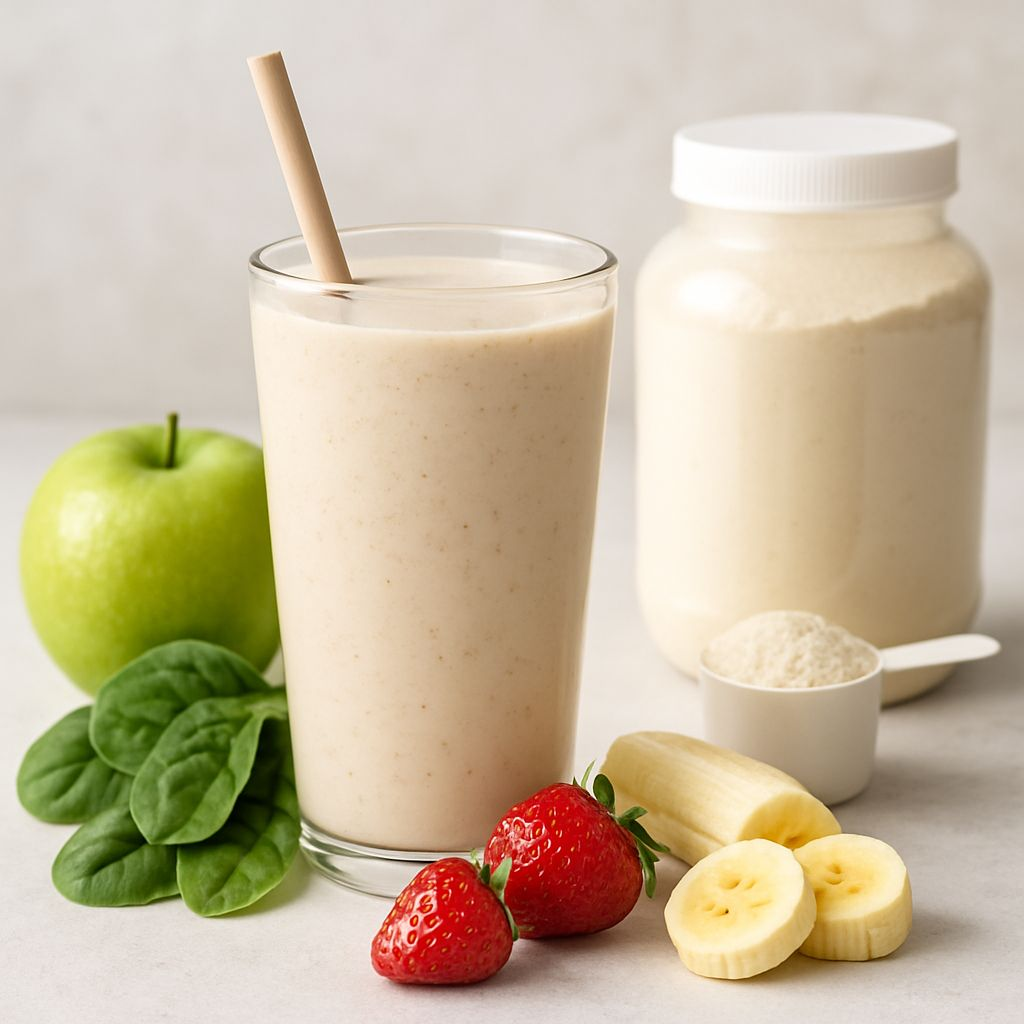
Mistake 1: Choosing a Shake With Poor Ingredients
This is the mistake that costs people the most. Nine times out of ten, the difference between a shake that supports your goals and one that works against them is entirely in the ingredient list — and most people never even read it.
The Three Red Flags in Any Meal Replacement Label
Before you buy another shake, flip the bag or bottle around and look for these three warning signs. If you spot any of them, put it back.
- Ultra-processed emulsifiers and thickeners — Ingredients like carrageenan, xanthan gum in large quantities, and polysorbate 80 are common in ready-to-drink shakes and have been linked to gut inflammation and digestive discomfort.
- Added sugars listed in the first five ingredients — When sugar, corn syrup, fructose, or maltodextrin appear near the top of the list, you are essentially drinking a dessert with a health label slapped on it.
- A 40-ingredient list you cannot pronounce — A quality meal replacement does not need 40 ingredients. Lengthy, unrecognizable ingredient lists are a sign of heavy processing, not superior nutrition.

Why Ultra-Processed Additives Cause More Harm Than Good
Ultra-processed food additives are not just empty fillers. Research increasingly links them to gut microbiome disruption, chronic low-grade inflammation, and even increased appetite — the exact opposite of what you want from a product designed to help you eat less and feel better.
Important: Many ready-to-drink meal replacement shakes contain ultra-processed emulsifiers, thickeners, and artificial sweeteners that can cause painful digestive side effects and long-term health consequences when consumed regularly.
The issue compounds over time. If you are drinking one or two of these shakes every day, you are exposing your body to these additives repeatedly — and that consistent exposure is where the real damage accumulates.
Ingredients to Look For Instead
A genuinely good meal replacement is built on a short list of whole, recognizable ingredients. Look for real food protein sources like pea protein, brown rice protein, or whey from grass-fed cows. Healthy fats should come from sources like coconut, flaxseed, or sunflower oil — not a long chain of chemically modified oils. Complex carbohydrates from oats, quinoa, or sweet potato are far superior to maltodextrin or refined starches.
Mistake 2: Not Getting Enough Protein Per Serving
Protein is the entire reason a meal replacement shake can keep you full and protect your muscle mass while you cut calories. When a shake comes up short on protein, it is not really replacing a meal — it is just replacing calories, and poorly at that.
Why 15 Grams of Protein Per Serving Is the Minimum
Fifteen grams is the floor, not the target. A proper meal for most adults should deliver somewhere between 20 and 40 grams of protein depending on your size, goals, and activity level. Shakes that offer only 8 to 10 grams per serving will leave you hungry within an hour and do very little to support muscle retention during weight loss.
If you are using meal replacement shakes as part of a structured weight loss plan — similar to the approach used in the 21-Day Smoothie Diet Weight Loss Program — making sure your protein content is sufficient per serving is one of the most critical factors in whether you actually lose fat or just lose energy and motivation.
The Difference Between Single and Blended Protein Sources
Not all protein in a shake is absorbed the same way. A shake using only one protein source — say, just whey isolate — will digest quickly and may not sustain fullness for the full three to four hours you need between meals. A blended protein source that combines fast-digesting whey with slower-digesting casein or plant proteins like pea and rice creates a more sustained amino acid release, keeping you fuller longer and better supporting muscle repair throughout the day.

Mistake 3: Picking a Shake Loaded With Added Sugar
Added sugar in a meal replacement shake is one of the most common and most damaging mistakes people make — often without realizing it. A shake that looks healthy on the front label can contain as much sugar as a candy bar once you read the nutrition facts panel.
If you are using shakes to manage your weight, added sugar directly counteracts your efforts by spiking blood glucose, triggering insulin response, and promoting fat storage. Even worse, sugar-heavy shakes tend to create a blood sugar crash an hour or two later, leaving you hungrier than you were before you drank the shake.
How Much Added Sugar Is Too Much in One Meal
The general rule is to look for a meal replacement shake with no more than 5 grams of added sugar per serving. Anything above that starts to work against your goals. Some of the most popular shakes on the market contain 18 to 25 grams of added sugar per serving — that is more than half the daily recommended limit for added sugar in a single drink that is supposed to be helping you.
Artificial Sweeteners Are Not a Safe Alternative
Swapping added sugar for artificial sweeteners like sucralose, aspartame, or acesulfame potassium is not the upgrade it appears to be. Studies have shown that artificial sweeteners can disrupt the gut microbiome, alter insulin sensitivity, and actually increase cravings for sweet foods over time. If your shake is sweetened with any of these, you may be trading one problem for another.
Some people also experience significant digestive distress — bloating, gas, and cramping — from artificial sweeteners, particularly sucralose and sugar alcohols like maltitol. If you have ever felt off after drinking a shake, the sweetener could easily be the culprit. For those exploring more targeted weight management tools, a Telehealth GLP-1 Weight Loss Prescription may be worth discussing with a healthcare provider alongside your nutrition strategy.
Natural Sweeteners That Won’t Derail Your Progress
The best meal replacement shakes use small amounts of natural sweeteners like monk fruit extract, raw stevia leaf, or coconut sugar in minimal quantities. These options provide sweetness without the blood sugar chaos or gut disruption associated with artificial alternatives. Monk fruit in particular has shown no negative impact on blood glucose, making it one of the cleanest options available in a meal replacement product.
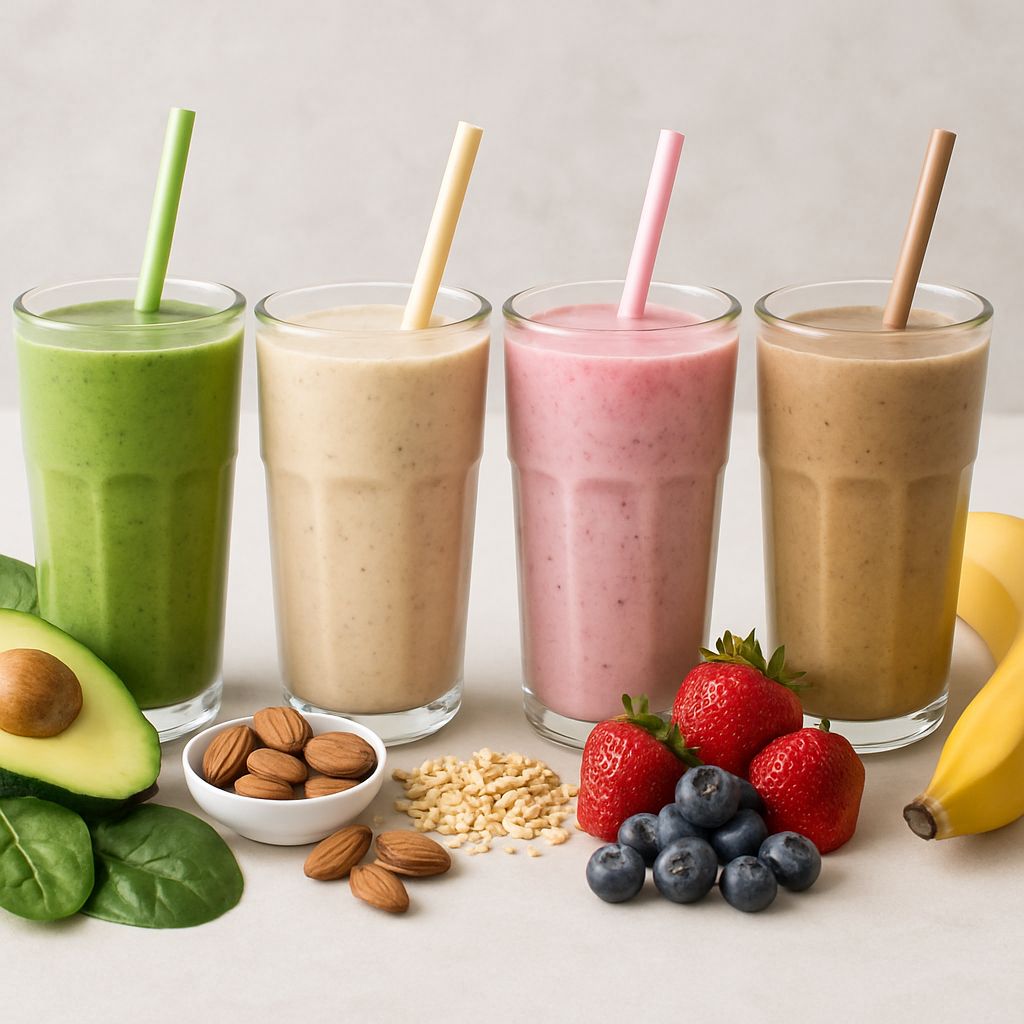
Mistake 4: Skipping Snacks Between Shake Meals
One of the most overlooked parts of using meal replacement shakes effectively is understanding that a 150 to 200 calorie shake is almost never going to hold you for four to five hours the way a full meal would. Expecting it to is a setup for intense hunger, poor food choices, and ultimately abandoning the plan altogether.
Why Hunger a Few Hours After Your Shake Is Normal
A standard meal replacement shake sits well below the caloric load of a typical meal, which means your body will naturally signal for more fuel sooner than it would after eating whole food. This is completely normal and not a sign that the shake is failing you — it is just physiology. The mistake is ignoring that signal until you are so hungry that anything in sight becomes fair game. Planning for a small, smart snack between shake meals is not cheating — it is strategy.
Smart Snack Combinations That Keep You on Track
The goal with between-shake snacks is to bridge the gap in a way that adds nutrition without undoing the calorie management you are working toward. Pairing a source of protein with a source of fiber is the most effective approach because both slow digestion and extend satiety.
For those who want additional support between meals, Cardio Slim Tea is worth considering as a complement to your shake routine — it supports metabolism and provides a low-calorie option when cravings hit between meals.
Keep your snacks simple and intentional. Some of the best options include:
- A small handful of raw almonds with an apple — fiber and healthy fat that digests slowly
- Greek yogurt with half a cup of berries — high protein, low sugar, gut-friendly probiotics
- Two hard-boiled eggs with a few cucumber slices — clean protein with near-zero impact on blood sugar
- A tablespoon of almond butter on celery sticks — healthy fat plus crunch that actually satisfies
- Cottage cheese with a small pear — slow-digesting casein protein paired with natural fiber

Mistake 5: Expecting the Shake to Do All the Work
A meal replacement shake is a tool, and like any tool, it only works when it is part of a bigger plan. Using a shake without making any other adjustments to your diet, activity level, or lifestyle habits is one of the most common reasons people drink shakes for weeks and see absolutely no change on the scale.
The shakes that consistently produce results are the ones paired with:
- A calorie-aware eating pattern for the meals you are not replacing
- Consistent movement — even 20 to 30 minutes of walking daily makes a measurable difference
- Adequate hydration — most people are chronically under-hydrated, which mimics hunger and slows metabolism
- Quality sleep — poor sleep directly raises cortisol and ghrelin, the hormones that drive overeating
Understanding how your metabolism responds to calorie management is critical here. If you want a deeper look at how hormonal factors influence your results, the article on HCG Drops Impact On Metabolism: Expectations and Effects covers how metabolic hormones interact with calorie restriction in ways that directly apply to meal replacement strategies.
For those whose metabolism has become resistant to standard calorie-cutting approaches, options like Natural GLP-1 Enhancement Without Needles, Prescriptions Or Side Effects offer a way to support appetite regulation without pharmaceuticals, which can make the shake-based approach far more effective for people who have struggled to see results through diet alone. To avoid common pitfalls, it’s important to be aware of meal replacement shake mistakes that could hinder progress.

Mistake 6: Choosing a Shake You Actually Hate Drinking
This one sounds obvious, but it is responsible for more abandoned meal replacement plans than almost any other factor. If your shake tastes like chalk, has a texture that makes you gag, or leaves a bitter aftertaste you spend the next hour trying to wash out — you are not going to stick with it. Consistency is what produces results, and consistency requires actually showing up every day. That means taste, texture, and mixability are not shallow concerns. They are legitimate factors in whether your plan succeeds or fails. Try sample sizes or single-serving packets before committing to a full bag, and do not convince yourself you will get used to something you find genuinely unpleasant.
Mistake 7: Ignoring the Vitamin and Mineral Content
A meal replacement shake is supposed to replace a meal — which means it needs to deliver more than just protein, carbs, and fat. Vitamins and minerals are a non-negotiable part of what makes a meal nutritionally complete, and most low-quality shakes either skip them entirely or spike the formula with cheap synthetic versions that your body struggles to absorb properly.
Whole-food-sourced vitamins and minerals behave very differently in the body compared to isolated synthetic versions. For example, synthetic folic acid and naturally occurring folate from food are processed through entirely different metabolic pathways, and a significant portion of the population has a genetic variation that limits their ability to use synthetic folic acid effectively. The same principle applies to synthetic vitamin E (dl-alpha-tocopherol) versus the natural mixed tocopherol form found in whole foods. When evaluating a shake’s micronutrient profile, look for food-based or methylated forms of key vitamins, particularly B12, folate, and vitamin D3, rather than their cheaper synthetic counterparts.
What a Nutritionally Complete Meal Replacement Should Contain
A genuinely complete meal replacement should hit all three macronutrient categories while also delivering a meaningful dose of micronutrients. At minimum, look for a shake that provides 20 or more grams of protein, 5 or more grams of fiber, healthy fats from real food sources, and a micronutrient panel that covers at least 20% of the daily value for key vitamins and minerals including iron, calcium, magnesium, potassium, vitamin D3, and the full B-vitamin complex. A shake that nails the macros but ignores the micros is still leaving a significant nutritional gap.
Why Artificially Spiked Vitamins Are Not the Same as Real Nutrition
Many budget meal replacement brands solve the micronutrient problem by dumping high doses of cheap synthetic vitamins into the formula. On paper, it looks impressive — 100% of 25 different vitamins and minerals. In practice, those numbers mean very little if the forms your body cannot readily absorb are being used. Bioavailability — how much of a nutrient your body can actually use — varies enormously between synthetic and food-derived forms.
Look for methylcobalamin instead of cyanocobalamin for B12, methylfolate instead of folic acid, and cholecalciferol (D3) instead of ergocalciferol (D2). These distinctions are not marketing fluff — they reflect genuine differences in how your body processes and uses these nutrients. A shake using the higher-quality forms will cost more, but it will also actually do what it claims to do. For those exploring pharmaceutical-grade appetite and metabolic support alongside their nutrition plan, comparing options like Tirzepatide and Semaglutide can provide useful context for what a comprehensive weight management strategy looks like beyond shakes alone.

The Right Way to Use Meal Replacement Shakes for Real Results
Used correctly, meal replacement shakes are one of the most practical tools available for managing weight and improving nutritional consistency — especially for people with demanding schedules who struggle to prepare balanced meals every day. The key is treating them as one structured part of a broader plan rather than a standalone solution. Replace one to two meals per day maximum, pair each shake with a smart snack if needed, and keep your remaining meals built around whole foods with adequate protein and fiber.
Track how your body responds over the first two weeks — energy levels, hunger patterns, digestion, and weight trend — and adjust from there. If you are also comparing body composition approaches, the detailed breakdown in Stomach Vacuum Exercises vs Wearable Sauna Suits Review & Comparison pairs well with a shake-based nutrition strategy for people targeting both fat loss and core definition at the same time.
Frequently Asked Questions
Below are the most common questions people ask when adding meal replacement shakes to their routine. The answers are kept direct and practical because that is what actually helps you move forward.
How many meal replacement shakes can I drink per day?
Most nutrition experts recommend replacing no more than one to two meals per day with shakes. Replacing all three meals long-term creates a high risk of nutritional deficiency, muscle loss, and metabolic slowdown — even with the best shake on the market. At least one whole food meal per day helps maintain gut health, provides dietary variety, and supports a sustainable long-term relationship with food. One shake per day is a reasonable, easy-to-maintain starting point for most people.
Can meal replacement shakes replace all three meals?
Technically, yes — but it is not advisable as a long-term approach. Very low-calorie diets that rely entirely on liquid nutrition should only be pursued under medical supervision. Short-term medically supervised liquid diet protocols do exist for specific situations, but for everyday weight management, replacing all three meals removes the behavioral, psychological, and gut-health benefits that come from eating whole food regularly. Two shakes and one balanced whole food meal is the ceiling for most people without clinical oversight. You can see the Meal Replacement Shakes Transformations & Before After Results article for more information on maximizing weight loss with meal replacement shakes.
Are meal replacement shakes safe for long-term use?
The safety of long-term shake use depends almost entirely on the quality of the product. A shake made from whole food ingredients with clean protein sources, food-derived micronutrients, no artificial additives, and adequate fiber can safely be used as part of a daily routine indefinitely. A shake filled with synthetic vitamins, artificial sweeteners, and ultra-processed emulsifiers carries increasing risk the longer and more frequently it is consumed. Choose your shake like you would any food you plan to eat every day — ingredient quality is everything.
What is the minimum number of calories a meal replacement shake should have?
A meal replacement shake should contain at least 400 calories to function as a genuine meal replacement. Shakes in the 150 to 200 calorie range are better classified as protein supplements or snack replacements. Dropping too low in calories per meal — even while trying to lose weight — triggers hunger hormones, slows metabolism, and typically leads to overeating later in the day. If your shake sits under 300 calories, plan a structured snack alongside it to bring the total meal value up to a functional range.
Is whey protein enough in a meal replacement shake, or do I need a blend?
Whey protein alone is not necessarily a dealbreaker, but a blended protein source is generally superior for meal replacement purposes. Whey is fast-digesting, which means it gets absorbed quickly — great for post-workout recovery, but less ideal for sustained fullness between meals. A blend that combines whey with casein, pea protein, or brown rice protein slows the absorption rate and extends the satiety window significantly. If your shake uses whey only, pair it with a fiber-rich snack to compensate for the faster digestion.
Ultimately, the best meal replacement shake is the one that checks all the right boxes on ingredients, protein, sugar, and micronutrients — and that you can realistically stick with every day. Avoiding the mistakes outlined above puts you miles ahead of the average person grabbing whatever is cheapest or most heavily marketed at the supplement store.