Integrating a Low-Carb Diet with Trulicity® for Better Blood Sugar and Weight Loss Results
Key Takeaways: What You Need to Know About Combining a Low-Carb Diet with Trulicity®
- Trulicity® (dulaglutide) is a once-weekly GLP-1 receptor agonist that lowers blood sugar by stimulating insulin, suppressing glucagon, and slowing stomach emptying — all of which work even better alongside a low-carb eating plan.
- A low-carb diet reduces post-meal blood sugar spikes, which directly complements how Trulicity® manages glucose levels, creating a compounding effect on both blood sugar control and weight loss.
- Certain foods — especially refined carbs, sugary drinks, and fried processed foods — actively undermine Trulicity®’s effectiveness and worsen its most common side effects like nausea.
- Strategic meal timing, portion control, and smart food choices can significantly reduce gastrointestinal side effects while maximizing the medication’s benefits.
- There is a specific window of results most people experience when combining Trulicity® with low-carb eating — and the timeline may surprise you.
Trulicity® Works Better When You Eat This Way
Combining Trulicity® with a low-carb diet is one of the most effective strategies for managing type 2 diabetes — and the science behind why it works so well is worth understanding before you change a single thing on your plate.
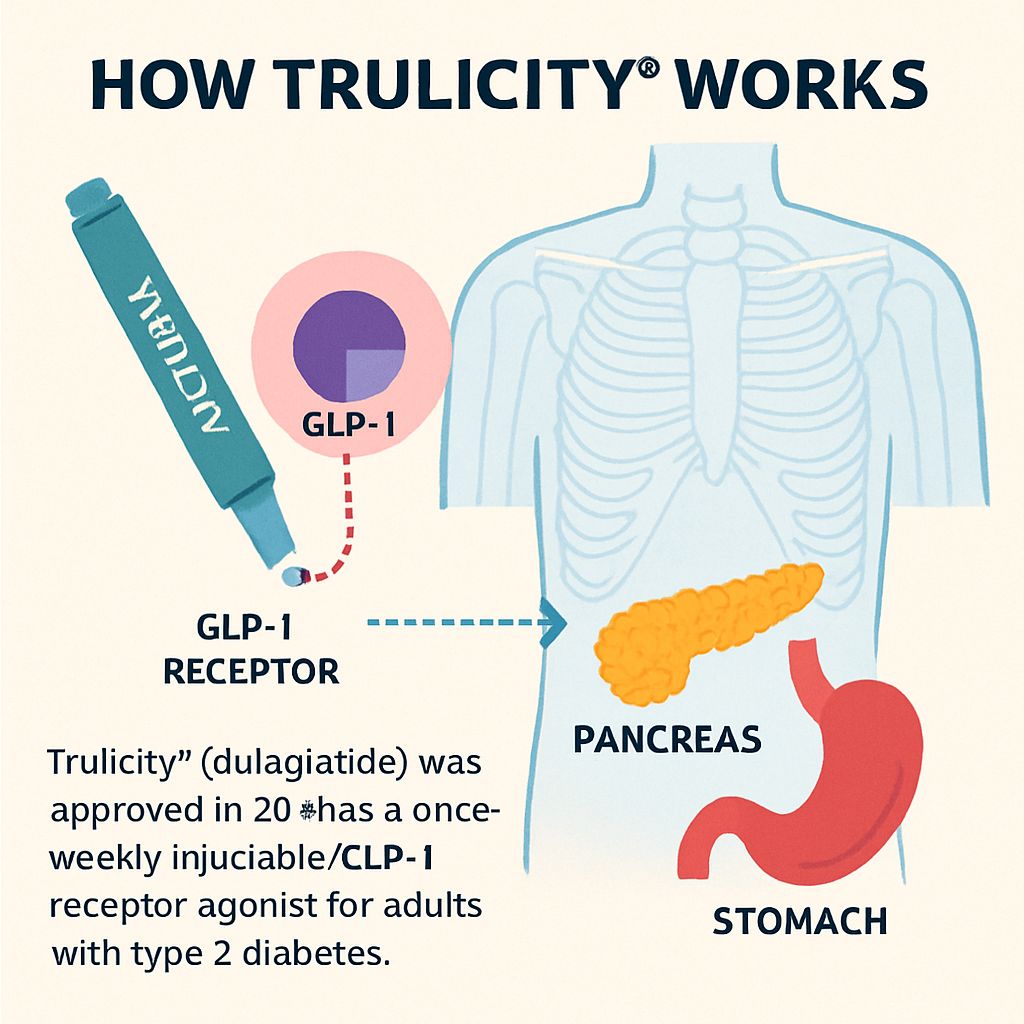
Trulicity® (dulaglutide) was approved in 2014 as a once-weekly injectable GLP-1 receptor agonist for adults with type 2 diabetes. It works by mimicking GLP-1, a naturally occurring hormone that tells your pancreas to release insulin when blood sugar rises, while simultaneously telling your liver to stop dumping excess glucose into your bloodstream. The result is steadier blood sugar throughout the day. PracticalWeightLoss.com covers a range of evidence-based approaches to blood sugar management and weight loss that complement medication-based treatments like Trulicity®.
What Trulicity® Actually Does in Your Body
Trulicity® is not simply an insulin substitute. It works on multiple systems at once, which is part of what makes it so effective — and why the foods you eat while taking it matter more than most people realize.
How GLP-1 Receptor Agonists Control Blood Sugar
Trulicity® mimics the GLP-1 hormone that your gut naturally releases after eating. When activated, GLP-1 receptors in the pancreas trigger insulin secretion in direct response to rising blood glucose — meaning insulin is only released when it is actually needed. At the same time, Trulicity® suppresses glucagon, the hormone responsible for signaling your liver to release stored sugar. This dual action keeps both sides of the blood sugar equation in check. Dosages typically range from 0.75 mg up to 4.5 mg weekly, with providers adjusting gradually based on individual response.
Why Stomach Emptying Matters for What You Eat
One of Trulicity®’s less-discussed mechanisms is its ability to slow gastric emptying — the rate at which food moves from your stomach into your small intestine. This is actually a feature, not a side effect. When food moves more slowly, glucose enters your bloodstream at a more gradual pace, reducing the sharp post-meal spikes that damage blood vessels over time.
The catch is that this slowed digestion can cause nausea, especially early in treatment or after eating large, high-fat, or heavily processed meals. This is a key reason why what you eat on Trulicity® directly affects how well you tolerate it — and how well it performs.
The Weight Loss Connection
Beyond blood sugar control, Trulicity® reduces hunger and extends feelings of fullness by acting on appetite-regulating centers in the brain. This appetite suppression is meaningful for people managing obesity alongside type 2 diabetes, as even modest weight loss — 5 to 10 percent of body weight — can significantly improve insulin sensitivity and reduce cardiovascular risk.

Why a Low-Carb Diet Pairs So Well With Trulicity®
A low-carb diet and Trulicity® target the same problem from two different directions. The medication manages blood sugar through hormonal pathways; the diet manages it by reducing the amount of glucose entering your system in the first place. Together, they create a reinforcing cycle that neither achieves as effectively on its own.
How Carbohydrates Affect Blood Sugar on Trulicity®
Carbohydrates — particularly refined carbs and added sugars — are the primary dietary driver of blood sugar spikes. Even with Trulicity® working in the background, a meal high in simple carbohydrates can overwhelm the medication’s buffering capacity. Keeping carbohydrate intake low means Trulicity® has less glucose to manage, which translates to more stable readings throughout the day and less strain on your insulin response system.
The Compounding Effect of Reduced Appetite and Fewer Carbs
When Trulicity® reduces your appetite and you are simultaneously eating low-carb, high-protein, and high-fiber foods that promote satiety, the result is a genuine compounding effect. You eat less, you eat better, and your blood sugar responds accordingly. GLP-1 medications like dulaglutide and liraglutide reduce hunger and slow digestion from the medication side, while a well-structured low-carb plate supports steadier blood sugar and appetite from the food side — done together with a provider, they reinforce each other remarkably well.
The Best Low-Carb Foods to Eat on Trulicity®
Not all low-carb foods are created equal when you are taking Trulicity®. The goal is not just to cut carbs — it is to build meals around foods that actively support blood sugar stability, reduce inflammation, protect cardiovascular health, and minimize gastrointestinal discomfort. Here is what to prioritize.
1. Protein Sources That Stabilize Blood Sugar
Protein has a minimal effect on blood sugar and helps you stay full longer, which works synergistically with Trulicity®’s appetite-suppressing effects. Lean proteins are particularly valuable because they deliver satiety without the added saturated fat that can worsen nausea or strain cardiovascular health — a real concern for people with type 2 diabetes.
The best protein choices on Trulicity® include:
- Skinless chicken and turkey breast
- Fatty fish rich in omega-3s such as salmon, sardines, and mackerel
- Eggs, including whole eggs and egg whites
- Greek yogurt (plain, full-fat or low-fat with no added sugar)
- Tofu and tempeh for plant-based options
- Cottage cheese as a high-protein, low-carb snack
2. Non-Starchy Vegetables to Prioritize
Non-starchy vegetables are the foundation of any effective low-carb eating plan on Trulicity®. They deliver fiber, vitamins, and antioxidants with almost no impact on blood sugar. Fiber is especially important here — it slows glucose absorption, feeds beneficial gut bacteria, and adds bulk to meals so you feel satisfied on smaller portions, which aligns perfectly with Trulicity®’s appetite-reducing effects.
Fill at least half your plate with these options at every meal:
- Leafy greens — spinach, kale, arugula, and romaine
- Cruciferous vegetables — broccoli, cauliflower, Brussels sprouts, and cabbage
- Zucchini, cucumber, and celery
- Bell peppers (especially green, which are lowest in sugar)
- Asparagus, green beans, and mushrooms
- Tomatoes and onions in moderate amounts
3. Healthy Fats That Support Heart Health
People with type 2 diabetes carry a significantly elevated risk of cardiovascular disease, making the quality of dietary fat a critical consideration — not just the quantity. Healthy unsaturated fats support heart health, reduce inflammation, and help you absorb fat-soluble vitamins like D and K that play important roles in metabolic function. On a low-carb diet, fat also becomes a primary energy source, so choosing the right kinds matters enormously.
Focus on these heart-supportive fat sources:
- Avocado and avocado oil
- Extra virgin olive oil for cooking and dressings
- Nuts — almonds, walnuts, and macadamia nuts in controlled portions
- Seeds — chia, flaxseed, and hemp seeds
- Fatty fish like salmon and sardines for combined protein and omega-3 benefit
4. Low-Carb Whole Grains Worth Including
Strict low-carb plans often eliminate grains entirely, but for many people on Trulicity®, small portions of certain whole grains can be included without derailing blood sugar goals. The key is choosing minimally processed options with high fiber content that slow glucose absorption. If you are monitoring carb counts carefully, keep portions to a quarter of your plate or less and always pair grains with protein and fat to blunt any blood sugar response.
The most diabetes-friendly grain options include oats (particularly steel-cut), quinoa, barley, and bulgur wheat — all of which have lower glycemic indexes than white rice, white bread, or standard pasta. For readers exploring how GLP-1 medications like Trulicity® interact with broader dietary strategies, Understanding Ozempic®: How It Works for Women Over 40 offers additional useful context on how this class of medication supports weight and metabolic goals, particularly for women managing hormonal changes alongside diabetes.

Foods That Undermine Trulicity®’s Effectiveness
Just as the right foods amplify Trulicity®’s benefits, the wrong ones actively work against it. Some foods spike blood sugar faster than the medication can compensate for. Others trigger or intensify the gastrointestinal side effects — nausea, bloating, and stomach discomfort — that are already the most common complaint among new Trulicity® users.
Avoiding these problem foods is not about being restrictive for its own sake. It is about giving the medication the environment it needs to actually perform, while making your daily experience on it as comfortable as possible.
Refined Carbs and Sugary Drinks
Refined carbohydrates are the single biggest dietary obstacle for anyone taking Trulicity®. White bread, white rice, standard pasta, pastries, crackers, and breakfast cereals are rapidly broken down into glucose and flood your bloodstream with sugar faster than any GLP-1 medication can manage. The result is a blood sugar spike that undermines the medication’s core function and leaves you more fatigued, hungry, and prone to cravings shortly after eating.
Sugary beverages are equally problematic — arguably more so, because liquid sugar bypasses many of the body’s satiety signals entirely. Regular soda, fruit juice, sweetened coffee drinks, energy drinks, and sports drinks can deliver 30 to 60 grams of sugar in a single serving with no fiber, no protein, and no nutritional value to offset the impact. Replace these with water, sparkling water, unsweetened herbal tea, or black coffee.
Fried and High-Fat Processed Foods
Because Trulicity® already slows gastric emptying, adding high-fat fried foods into the mix creates a particularly uncomfortable combination. Fat naturally slows digestion on its own — when combined with Trulicity®’s effects, it can dramatically increase nausea, bloating, and the sensation of food sitting heavily in your stomach for hours. Fried chicken, fast food burgers, French fries, processed snack foods, and anything cooked in low-quality refined oils fall squarely into this category.
Beyond the side effect issue, ultra-processed foods are typically engineered to override satiety signals — exactly the opposite of what Trulicity® is trying to achieve. They are calorie-dense, nutritionally empty, and often contain hidden sugars and refined starches that spike blood sugar despite not tasting overtly sweet.
Foods to Limit or Avoid on Trulicity®
Food Category Examples Why It’s Problematic Refined Carbohydrates White bread, white rice, pasta, pastries Rapid blood sugar spikes that overwhelm medication Sugary Beverages Soda, fruit juice, sweetened coffee, energy drinks Liquid sugar bypasses satiety signals; extreme glucose spikes Fried Foods French fries, fried chicken, doughnuts Worsens nausea; slows digestion further Ultra-Processed Snacks Chips, crackers, packaged cookies Hidden sugars, refined starches, engineered to override fullness Alcohol Beer, cocktails, sweet wines Unpredictable blood sugar swings; hypoglycemia risk High-Sugar Condiments Ketchup, BBQ sauce, sweet salad dressings Unexpected carb load; disrupts blood sugar stability
Reading labels carefully is essential. Many condiments, sauces, and even savory packaged foods contain surprisingly high amounts of added sugar. Ketchup, barbecue sauce, teriyaki sauce, and bottled salad dressings are common hidden carb sources that can quietly disrupt blood sugar stability throughout the day.
Alcohol and Blood Sugar Risks
Alcohol presents a unique and nuanced risk for people on Trulicity®. While moderate alcohol consumption does not automatically disqualify you from drinking entirely, it creates unpredictable swings in blood sugar that are difficult to manage — particularly if you are also taking medications that lower glucose. Alcohol can initially raise blood sugar (especially beer and sweet cocktails loaded with mixers), then cause it to drop significantly hours later as the liver prioritizes processing alcohol over maintaining glucose output. If you are also combining Trulicity® with insulin or sulfonylureas, this hypoglycemia risk is amplified and requires close monitoring.
How to Manage Trulicity® Side Effects Through Diet
Nausea is the most commonly reported side effect of Trulicity®, particularly during the first four to eight weeks of treatment or following a dose increase. For most people, it improves significantly as the body adjusts — but dietary choices during this adaptation period make a substantial difference in how manageable that transition feels.
The good news is that a low-carb eating pattern already aligns well with the foods most likely to minimize gastrointestinal discomfort. The emphasis on lean proteins, cooked vegetables, healthy fats, and smaller portions naturally reduces the triggers that make nausea worse. Being deliberate about meal timing and structure takes this a step further.
Meal Timing and Portion Size Strategies
Eating smaller, more frequent meals rather than two or three large ones is one of the most effective strategies for managing Trulicity®-related nausea. Large meals require more gastric work at a time when the medication is already slowing things down, which increases discomfort significantly. Aim for three modest meals with one or two small snacks if needed, eating slowly and stopping before you feel full. Since Trulicity® is injected once weekly, most people find that the 24 to 48 hours following their injection day are when side effects are most pronounced — adjusting meal composition on those days specifically can help considerably.
Foods That Ease Nausea
Certain foods are well-tolerated even when nausea is present, and building meals around these options during your adjustment period can keep you on track nutritionally without making symptoms worse. Plain, bland, and easily digestible choices work best. Think baked or poached chicken, steamed vegetables, plain Greek yogurt, eggs, broth-based soups, and small amounts of low-sugar crackers if needed. Ginger — whether as fresh ginger tea, ginger chews, or ginger added to cooking — has genuine evidence behind it as a nausea-reducing agent and is worth incorporating regularly.
Cold or room-temperature foods tend to be better tolerated than hot, strongly-scented dishes when nausea is active. Avoid eating while lying down and stay upright for at least 30 to 60 minutes after meals to allow gravity to assist digestion. Staying well-hydrated between meals — rather than drinking large amounts of liquid with food — also helps keep symptoms manageable without diluting digestive processes.

Practical Low-Carb Meal Planning on Trulicity®
Knowing which foods to eat is one thing — building those foods into a realistic daily eating structure is another. The most effective low-carb meal plans on Trulicity® are simple, repeatable, and designed around meals that take 20 minutes or less to prepare. Complexity is the enemy of consistency, especially when appetite is already reduced and cooking feels like effort.
How to Structure Your Daily Meals
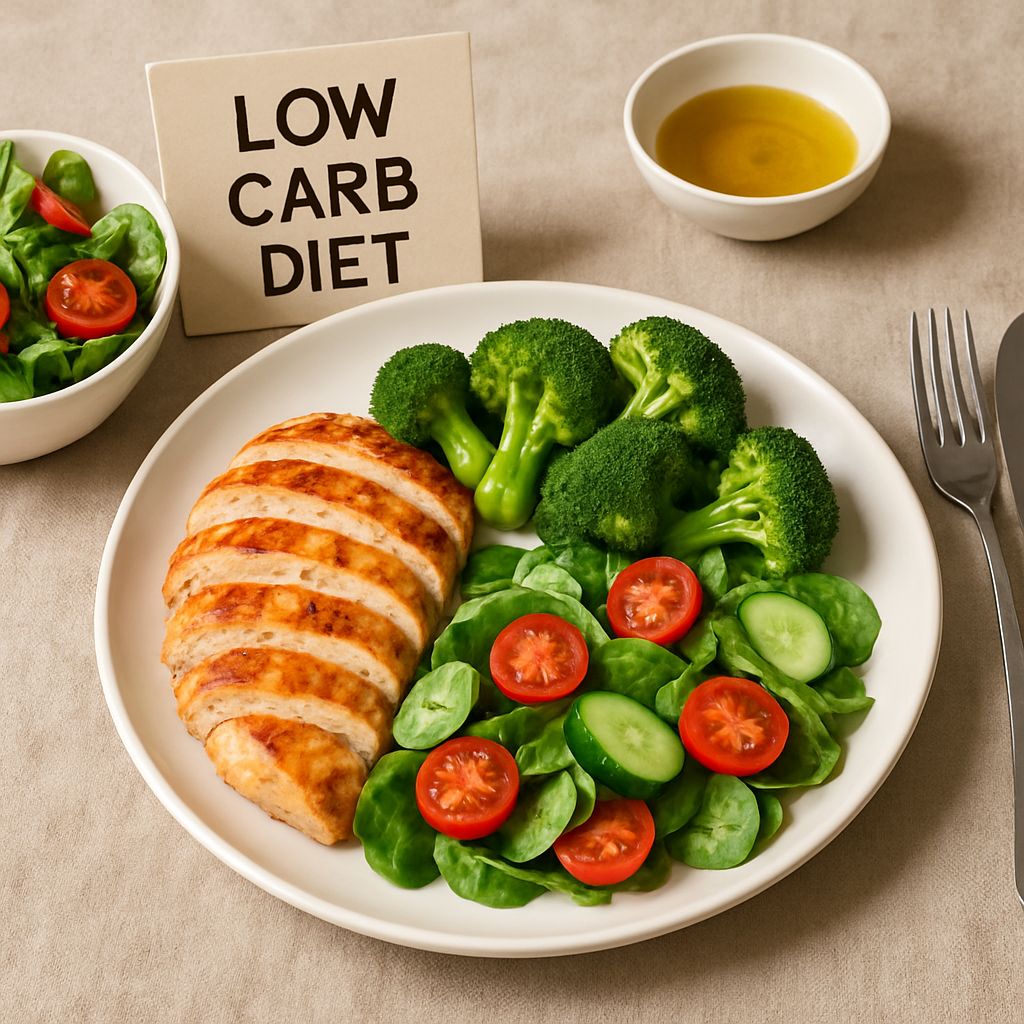
The simplest framework for low-carb meal planning on Trulicity® is the plate method, modified for carbohydrate reduction. Fill half your plate with non-starchy vegetables, one quarter with lean protein, and the remaining quarter with a small serving of healthy fat or a minimal portion of a low-glycemic complex carbohydrate if tolerated. This structure keeps glucose load low at every meal while ensuring you get adequate nutrition even when your appetite is reduced by the medication.
Here is what a practical day of eating might look like:
- Breakfast: Two scrambled eggs with spinach and avocado, black coffee or unsweetened herbal tea
- Lunch: Grilled salmon over a bed of arugula with cucumber, olive oil, and lemon dressing
- Snack (if needed): Plain Greek yogurt with a small handful of walnuts
- Dinner: Baked chicken thighs with roasted broccoli and a small portion of cauliflower rice
- Evening (optional): Herbal tea with a few slices of cheese or a boiled egg if hunger persists
This kind of structure — built around real, whole foods with minimal processing — works with Trulicity®’s appetite-suppressing effects rather than against them. On days when nausea is more pronounced, scaling back to smaller versions of these same meals, rather than skipping eating entirely, helps maintain stable blood sugar without overwhelming your digestive system.
Simple Low-Carb Swaps to Start Today
You do not need to overhaul your entire kitchen overnight. Small, strategic substitutions compound quickly and often make the dietary transition feel far less overwhelming — especially when your appetite and energy levels are adjusting to Trulicity® at the same time. Readers who want additional guidance on avoiding common pitfalls when restructuring meals should check out Common Meal Replacement Shake Mistakes and How to Avoid Them, which covers practical errors that can quietly undermine even well-intentioned dietary changes.
Replace This With This Why It Works White rice Cauliflower rice Nearly zero carbs, similar texture, high in fiber Regular pasta Zucchini noodles or hearts of palm pasta Dramatically reduces carb load with similar eating experience Sugary breakfast cereal Scrambled eggs with vegetables Protein-rich, no blood sugar spike, keeps you full longer Fruit juice Water with lemon or unsweetened sparkling water Eliminates liquid sugar entirely with zero carb impact Flavored yogurt Plain Greek yogurt with cinnamon Removes added sugar while preserving protein and probiotics Potato chips Sliced cucumber or celery with hummus High fiber, satisfying crunch, negligible blood sugar impact Bread-based sandwich Lettuce wrap with the same fillings Cuts 25 to 40 grams of carbs per serving instantly
Hydration and Its Role in Blood Sugar Control
Hydration is consistently underestimated as a tool for blood sugar management, but the relationship is direct and well-established. When you are dehydrated, blood volume decreases and glucose becomes more concentrated in the bloodstream — meaning your blood sugar readings rise even without any change in what you have eaten. Staying well-hydrated keeps blood viscosity in a healthier range and supports kidney function, which plays a key role in filtering excess glucose from the blood.
On a low-carb diet, hydration needs actually increase. When carbohydrate intake drops, glycogen stores in the liver and muscles are depleted, and each gram of glycogen holds approximately three grams of water. As glycogen is used up, that water is released and excreted — which is why people often lose several pounds quickly in the first week of low-carb eating. This rapid fluid shift also means electrolytes like sodium, potassium, and magnesium are excreted at higher rates, and replacing them through food or supplementation helps prevent fatigue, muscle cramps, and headaches that are sometimes mistakenly attributed to Trulicity®.
Aim for a minimum of eight to ten cups of water daily, more if you are physically active or live in a warm climate. Spreading fluid intake throughout the day — rather than drinking large amounts with meals — is particularly important on Trulicity®, since excessive liquid with food can worsen nausea and the sensation of fullness.
- Start your morning with a full glass of water before coffee or food
- Keep a water bottle visible throughout the day as a consistent reminder
- Add a small pinch of sea salt or use a low-carb electrolyte supplement if experiencing fatigue or muscle cramps
- Choose unsweetened herbal teas, sparkling water, or water infused with cucumber or lemon as flavorful alternatives
- Avoid drinking more than a cup of fluid with meals to prevent compounding Trulicity®-related fullness and nausea
Green tea is worth a specific mention — it contains compounds called catechins that have demonstrated modest blood sugar-lowering effects in research, making it a genuinely functional beverage choice beyond simple hydration. Drinking one to two cups per day alongside your water intake is a simple addition that may offer a small but meaningful metabolic benefit over time.

Your Low-Carb and Trulicity® Plan Starts Here
Trulicity® is a powerful tool for managing type 2 diabetes, but it performs at its best when the dietary environment around it is built to reinforce its effects rather than work against them. A low-carb eating plan accomplishes exactly that — reducing the glucose load the medication has to manage, amplifying appetite suppression, supporting cardiovascular health, and minimizing the gastrointestinal side effects that make the early weeks of treatment challenging for so many people.
If you are looking to go beyond diet alone and explore how structured nutritional programs can further support your weight and metabolic goals alongside medications like Trulicity®, the 21-Day Smoothie Diet Weight Loss Program offers a convenient, nutrient-dense approach that many people find easy to follow during treatment. The program is structured around whole-food ingredients that align well with the low-sugar, nutrient-dense principles that work best with GLP-1 medications.
- Start by eliminating the highest-impact offenders first — sugary drinks, refined carbs, and fried foods
- Build meals around the plate method: half vegetables, one quarter protein, one quarter healthy fat or minimal low-glycemic carbohydrate
- Eat smaller portions more frequently, particularly in the days following your weekly injection
- Stay consistently hydrated with water and electrolyte-containing foods to support both blood sugar and energy levels
- Work with your healthcare provider to monitor how your A1C, fasting glucose, and body weight respond over the first 90 days
Some people managing type 2 diabetes also benefit from exploring additional medical support options. A Telehealth GLP-1 Weight Loss Prescription is an increasingly accessible route to working with a licensed provider who can evaluate whether a GLP-1 medication, dose adjustment, or complementary treatment is appropriate for your specific situation — without requiring an in-person visit. This kind of coordinated, provider-guided approach is the most effective framework for long-term results when combining medication with dietary change.

Frequently Asked Questions
Managing type 2 diabetes through a combination of medication and diet raises a lot of practical questions — especially in the early weeks when you are adjusting to both Trulicity® and a new way of eating simultaneously. The answers below address the most common concerns directly, without oversimplifying the nuances that actually matter for your health decisions.
These questions come up repeatedly because the intersection of GLP-1 medication and low-carb eating is still an area where many patients receive limited guidance from their providers. General dietary advice given at a standard diabetes appointment rarely goes deep enough to account for the specific ways Trulicity® changes how your body responds to food — which is exactly the gap this article is designed to fill.
If you have questions specific to your medication dose, combination therapies, or whether alternative GLP-1 options might be appropriate, speaking directly with a provider is essential. For those curious about how newer GLP-1 and dual-action medications compare to dulaglutide, understanding the differences between Tirzepatide and Semaglutide can help you have a more informed conversation with your doctor about what is available and how each mechanism differs from Trulicity®.
Can I follow a strict ketogenic diet while taking Trulicity®?
A strict ketogenic diet — typically defined as fewer than 20 to 30 grams of net carbohydrates per day — is generally compatible with Trulicity®, but it requires careful monitoring and provider involvement. Because both the ketogenic diet and Trulicity® lower blood sugar through independent mechanisms, the combination can occasionally push glucose levels lower than intended, particularly if you are also taking insulin or a sulfonylurea. Most people do well with a moderately low-carb approach of 50 to 100 grams of net carbs per day initially, then adjusting based on how their blood sugar, energy, and tolerability respond. If you want to pursue strict keto, inform your prescribing provider before making the switch so medication dosing can be monitored accordingly.
How quickly will I see results combining Trulicity® with a low-carb diet?
Most people notice meaningful changes within the first four to twelve weeks of combining Trulicity® with a consistent low-carb eating plan, though the specific timeline varies based on starting A1C, current weight, dose level, adherence, and individual metabolic factors. Blood sugar improvements often appear within the first two to four weeks as carbohydrate intake drops and the medication reaches steady-state concentration in your system. Weight loss tends to follow a different curve — initial drops are often larger in the first two to four weeks due to water and glycogen depletion, followed by a more gradual but sustained reduction in body fat.
Realistic benchmarks to track your progress include:
- Weeks 1 to 2: Improved post-meal blood sugar readings; possible initial weight loss of two to five pounds from fluid shifts
- Weeks 3 to 6: Appetite noticeably reduced; blood sugar fasting levels beginning to stabilize; nausea side effects typically improving
- Weeks 6 to 12: Measurable weight loss becoming consistent; energy levels stabilizing; noticeable reduction in food cravings
- Month 3 and beyond: A1C reduction becoming visible at your next lab draw; cardiovascular markers such as blood pressure and triglycerides often improving alongside blood sugar
Consistency matters more than perfection at every stage. Missing a single meal plan target or having one higher-carb day does not reset your progress — but chronic inconsistency in either dietary choices or injection schedule will blunt results significantly. Treat both the medication and the dietary approach as equally non-negotiable components of a single integrated plan, not as separate optional strategies.
Does Trulicity® need to be taken with food?
No — Trulicity® does not need to be taken with food. Because it is a once-weekly subcutaneous injection rather than an oral medication, its absorption is not affected by food intake at the time of injection. You can inject on any consistent day of the week, at any time of day, with or without a meal. That said, many people find it practical to associate their injection with a specific day and routine — Sunday evening after dinner, for example — as a memory aid. What matters most is consistency: injecting on the same day each week keeps blood levels stable and medication effect predictable throughout the week.
Can a low-carb diet reduce how much Trulicity® I need over time?
It is possible, and for some people it happens — but this decision should never be made independently. There is genuine evidence that significant dietary improvement, particularly a reduction in refined carbohydrate intake, can lower A1C and improve insulin sensitivity to a degree that changes the required medication dosage. Some patients who make sustained, substantial dietary changes under provider supervision do eventually reduce their dose or transition to a lower tier of pharmacological management.
However, arbitrarily reducing or stopping Trulicity® without lab confirmation and provider guidance carries real risk, including blood sugar rebound, loss of the cardiovascular protective benefits that GLP-1 medications provide independent of glucose control, and the potential for damage from unmonitored hyperglycemia. If dietary changes are producing strong results and you are wondering whether your dose remains appropriate, bring the data — your glucose logs, A1C results, and weight trend — to your next appointment and have that conversation directly with your provider. For those who prefer a non-prescription option to support natural GLP-1 activity alongside dietary changes, Natural GLP-1 Enhancement Without Needles, Prescriptions Or Side Effects represents one approach worth discussing with a healthcare professional as a complementary strategy.
Are there any low-carb foods that interfere with Trulicity®?
No specific low-carb foods are known to pharmacologically interfere with Trulicity® in the way that some foods interact with oral medications. However, there are practical considerations worth being aware of. Very high-fat meals — even when low in carbohydrates — can worsen nausea because fat itself slows gastric emptying, compounding Trulicity®’s effect on digestion. This does not mean avoiding fat entirely, but it does mean being mindful of portion sizes for particularly rich or heavy foods, especially in the first few months of treatment.
Grapefruit, which is known to interfere with certain medications by inhibiting a liver enzyme called CYP3A4, does not affect Trulicity® through this pathway — so it can be consumed in moderation without concern. High-fiber foods, which are a staple of smart low-carb eating, are uniformly beneficial and do not cause any interference with the medication’s effectiveness. If anything, soluble fiber from sources like chia seeds, flaxseed, and low-carb vegetables further supports the blood sugar-stabilizing goals that Trulicity® is designed to achieve.
When in doubt about a specific food, the most useful question to ask is not whether it interferes with the medication directly, but whether it supports or undermines stable blood sugar and comfortable digestion. Foods that score well on both counts — lean proteins, non-starchy vegetables, healthy fats, and low-glycemic whole foods — are your most reliable daily choices. Supporting both your dietary strategy and metabolic health alongside Trulicity® is also what makes a well-formulated product like Cardio Slim Tea an interesting complementary option worth exploring — it is designed to support circulation and metabolic function in ways that align with the broader cardiovascular and blood sugar goals that matter most when managing type 2 diabetes long-term.