How To Maintain Cryolipolysis Results: Tips, Methods and Lifestyle Habits That Actually Work
Key Takeaways: What You Need To Know About Maintaining Your Cryolipolysis Results Long-Term
- Cryolipolysis permanently destroys treated fat cells, but remaining fat cells can still expand if you gain weight — making lifestyle habits critical after treatment.
- Diet is the single most important factor in maintaining your results; a calorie surplus can undo your contouring progress even without gaining significant overall weight.
- Post-treatment massage can improve fat reduction results by as much as 68% — and you can do it at home to support your body’s natural elimination process.
- Most people need 1–3 sessions per treated area, and scheduling strategic follow-up treatments can target deeper fat layers for even more refined results.
- Hydration, consistent exercise, and knowing when to book a repeat session are the often-overlooked pillars that keep your contoured shape intact for years.
Your cryolipolysis results can last a lifetime — or disappear within a year — and the difference comes down to what you do after you leave the clinic.
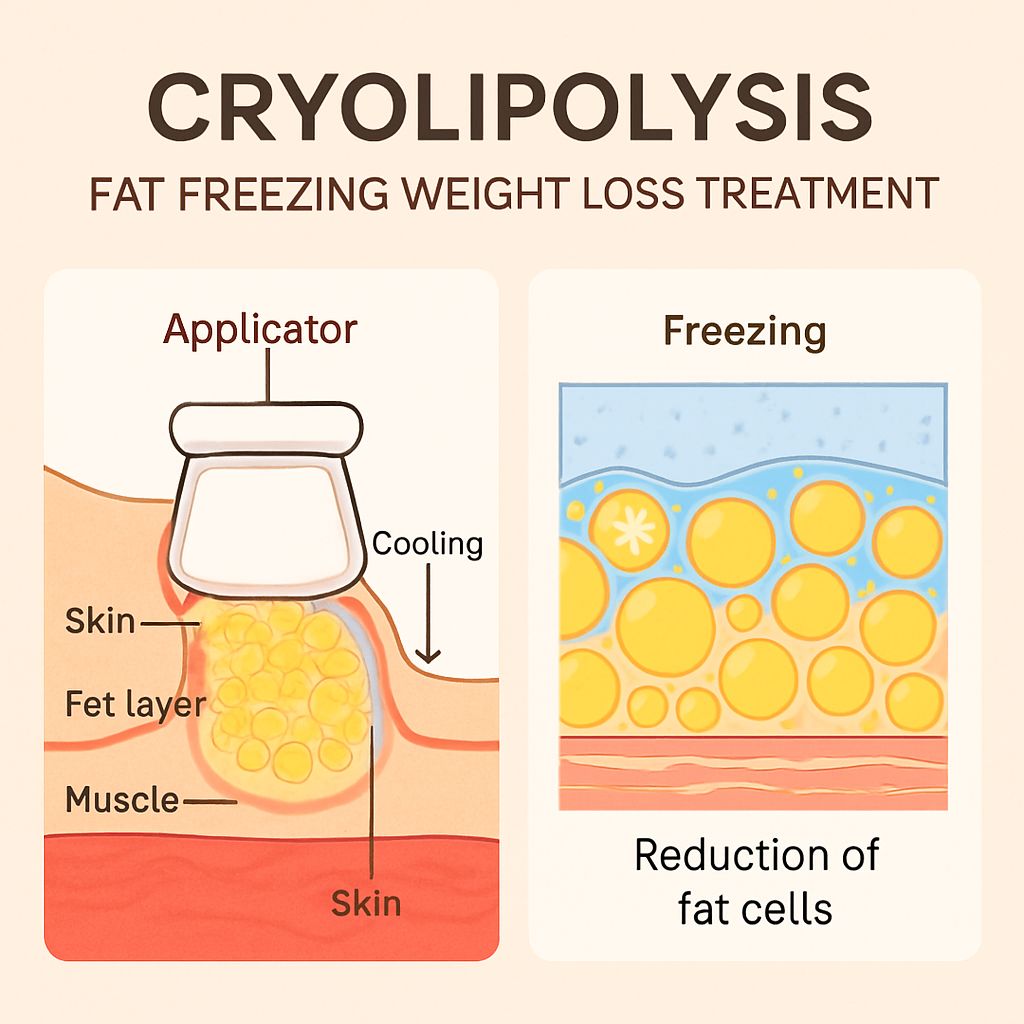
Cryolipolysis, most widely known by the brand name CoolSculpting, has changed the game for non-invasive fat reduction. It uses controlled cooling to freeze and destroy fat cells in targeted areas, which your body then naturally processes and eliminates over the following weeks and months. Clinical studies show that a single treatment can reduce subcutaneous fat in the targeted area by up to 25%. Those are genuinely impressive numbers for a procedure that requires no surgery, no anesthesia, and no downtime. If you’re exploring weight loss solutions more broadly, Telehealth GLP-1 Weight Loss Prescription services are another clinically backed option worth considering alongside body contouring treatments.
But here’s what most clinics don’t emphasize enough: cryolipolysis is a fat reduction tool, not a weight loss solution. The treated fat cells are gone for good — but the remaining ones are not. They can still grow. Understanding that distinction is what separates people who maintain stunning, long-term results from those who find themselves frustrated a year later.

Cryolipolysis Results Are Permanent — Until They’re Not
The science behind cryolipolysis is straightforward and well-established. Fat cells are more sensitive to cold temperatures than the surrounding skin and tissue. The procedure exploits that vulnerability by applying precisely controlled cooling to the target area, freezing fat cells to the point of apoptosis — programmed cell death. Your lymphatic system then clears those dead cells out of your body over the next 4 to 12 weeks.
What makes this exciting is the permanence. Once a fat cell is destroyed and cleared, it does not regenerate. Your body does not create new fat cells in adulthood under normal circumstances. So the reduction you see in that treated area is, in principle, permanent. The problem is that the fat cells surrounding the treated zone — and even the ones that weren’t fully destroyed — are still alive, functional, and capable of expanding.
Why Treated Fat Cells Never Return
Adult fat cells that undergo apoptosis are permanently eliminated. Once the crystallized cell membrane breaks down and the cell contents are processed by your immune system, that specific cell is gone. Your body doesn’t rebuild them in that location. This is the biological foundation that makes cryolipolysis results so appealing — the reduction in fat cell count in the treated area is real and lasting.
Why Remaining Fat Cells Can Still Expand
Fat cells work by storing energy in the form of triglycerides, and they expand or shrink based on your caloric balance. When you consume more calories than you burn, your remaining fat cells — everywhere in your body, including near the treated area — absorb that excess energy and grow larger. This is why someone who gains significant weight after cryolipolysis can see their results diminish or disappear entirely. The fat cells that were destroyed are still gone, but the ones that remain compensate by growing. Maintaining your results is fundamentally about preventing that expansion.
Diet Is the Biggest Factor in Keeping Results
No post-treatment tip matters more than what you eat. Exercise helps, hydration helps, and follow-up treatments help — but diet is the foundation everything else is built on. If your caloric intake consistently exceeds your output, the remaining fat cells in your body will expand, and your contoured results will soften over time.
How Calorie Surplus Undoes Fat Freezing Results
When you eat in a calorie surplus, your body stores the excess as fat. It distributes that fat across all remaining fat cells throughout your body — including those near or adjacent to your treated areas. You might have 25% fewer fat cells in your abdomen after cryolipolysis, but if the remaining 75% double in size, the visual improvement you worked for can disappear entirely. The math is unforgiving, which is why understanding your daily caloric needs after treatment is non-negotiable.
Scenario Fat Cells Remaining Cell Size Visual Result Post-treatment + healthy diet Reduced by ~25% Normal or smaller Contoured, maintained Post-treatment + calorie surplus Reduced by ~25% Enlarged Results diminished or reversed Post-treatment + calorie deficit Reduced by ~25% Smaller Enhanced, more defined results
The goal isn’t extreme restriction — it’s consistency. Staying within a maintenance-level caloric range for your body weight keeps remaining fat cells at a stable size, preserving the shape created by your treatment.
Best Eating Habits to Maintain Your Contoured Shape
Prioritize whole, nutrient-dense foods that support satiety without pushing you into a calorie surplus. Lean proteins like chicken, fish, eggs, and legumes help preserve muscle mass while keeping hunger in check. Complex carbohydrates from vegetables, fruits, and whole grains provide steady energy without the blood sugar spikes that drive overeating. Healthy fats from sources like avocado, olive oil, and nuts are calorie-dense but deeply satisfying in moderate amounts. For those who struggle with consistent nutrition, the 21-Day Smoothie Diet Weight Loss Program offers a structured, beginner-friendly approach to building better eating habits that can directly support your contouring results.
Foods That Support Your Body’s Fat Elimination Process
After cryolipolysis, your lymphatic system is doing the heavy lifting of clearing out destroyed fat cells. Certain foods can genuinely support that process, and incorporating them into your regular diet gives your body the best chance of clearing treated cells efficiently and completely.
- Leafy greens (spinach, kale, arugula) — rich in antioxidants that support liver function and cellular waste clearance
- Citrus fruits (lemon, grapefruit, orange) — support lymphatic drainage and provide vitamin C for tissue repair
- Ginger and turmeric — anti-inflammatory compounds that reduce post-treatment swelling and support metabolic function
- Green tea — contains catechins that have been shown to enhance fat metabolism and support the body’s natural detox pathways
- Water-rich vegetables (cucumber, celery, zucchini) — support hydration and lymphatic flow simultaneously
- Berries — high in antioxidants and fiber, supporting gut health and reducing systemic inflammation
You don’t need a radical overhaul of your diet overnight. Start by adding two or three of these foods to your daily meals consistently. Small, sustainable upgrades compound into significant long-term support for your results. If you’re looking to understand how certain supplements and foods work together for fat loss, reading about Nutrition and Thermogenic Fat Burners: What to Eat for Best Results can help you build a smarter post-treatment nutrition strategy.

Exercise Protects Your Results Long-Term
Diet controls whether your remaining fat cells expand, but exercise determines how efficiently your body burns energy, maintains muscle mass, and supports overall metabolic health. After cryolipolysis, regular physical activity becomes one of your most powerful tools for preserving and even enhancing the results you’ve achieved.
The good news is you don’t need to become a competitive athlete. Consistency and appropriate intensity matter far more than extreme effort. Even moderate, regular movement makes a measurable difference in how well your body maintains its contoured shape over months and years.
How Much Exercise You Actually Need
The American Heart Association recommends at least 150 minutes of moderate-intensity aerobic activity per week for general health maintenance — and that same benchmark applies well to protecting your cryolipolysis results. That breaks down to just 30 minutes, five days a week. If you can add two sessions of strength training on top of that, you’ll be actively building the muscle that keeps your metabolism elevated and your body composition favorable long after your treatment.
Best Workout Types for Body Contouring Maintenance
A combination of cardiovascular exercise and resistance training is the most effective approach. Cardio burns calories and supports lymphatic circulation, which directly aids in clearing the destroyed fat cells from your treated areas. Strength training builds lean muscle, which increases your resting metabolic rate — meaning you burn more calories even at rest. Together, they create a metabolic environment where fat storage is minimized and your contoured results are preserved. For more insights on maintaining your results, check out this guide on keeping fat from returning after fat freezing.
Some of the most effective workout formats to incorporate after cryolipolysis include:
- Brisk walking or cycling — low-impact cardio that supports lymphatic flow without straining the treated area
- Swimming — full-body, low-impact movement that burns significant calories while being gentle on the skin
- Resistance training — compound movements like squats, deadlifts, and rows build muscle and elevate metabolism
- HIIT (High-Intensity Interval Training) — time-efficient fat burning that continues to elevate calorie burn for hours post-workout
- Yoga or Pilates — supports core strength, flexibility, and stress reduction, which indirectly helps manage cortisol-driven fat storage

Post-Treatment Massage Improves Results by Up to 68%
This is one of the most underutilized and most impactful things you can do after a cryolipolysis session. Research has shown that massaging the treated area immediately following the procedure can improve fat reduction results by as much as 68% compared to no massage at all. The mechanism is straightforward: massage physically breaks down the crystallized fat cells, making it easier for your lymphatic system to collect and eliminate them. It also stimulates circulation in the area, accelerating the natural clearance process. For a deeper look at how lymphatic support can enhance body contouring outcomes, the article on Lymphatic Drainage Massage Benefits and Considerations: Is It Right for You? covers the science and practical applications in detail.
How to Massage the Treated Area at Home
You don’t need a professional therapist to benefit from post-treatment massage, though professional lymphatic drainage sessions are an excellent option if accessible. At home, apply gentle but firm circular pressure to the treated area using your fingertips or palm. Work from the outer edges of the treated zone inward, then sweep outward toward your nearest lymph nodes — typically toward the groin for abdominal treatments, or toward the armpit for flank and arm treatments. Do this for 5 to 10 minutes per session.
Using a massage oil or body lotion reduces friction and makes the process more comfortable, especially if the area is still tender or slightly numb from the treatment. Some people find a handheld percussion massager or a silicone cupping tool helpful for reaching awkward areas and maintaining consistent pressure. The goal is gentle mechanical disruption of the treated fat cells combined with directional strokes that guide the cellular debris toward your lymphatic drainage pathways.
How Long You Should Keep Massaging After Treatment
Most clinical guidance recommends massaging the treated area for at least two weeks following your session, ideally once or twice daily. However, continuing for up to six weeks yields the best results, since the fat cell elimination process can take the full 4 to 12 week window to complete. Even periodic massage during that full elimination window keeps lymphatic flow active in the area and supports thorough clearance of all destroyed cells.
Hydration Speeds Up Fat Cell Elimination
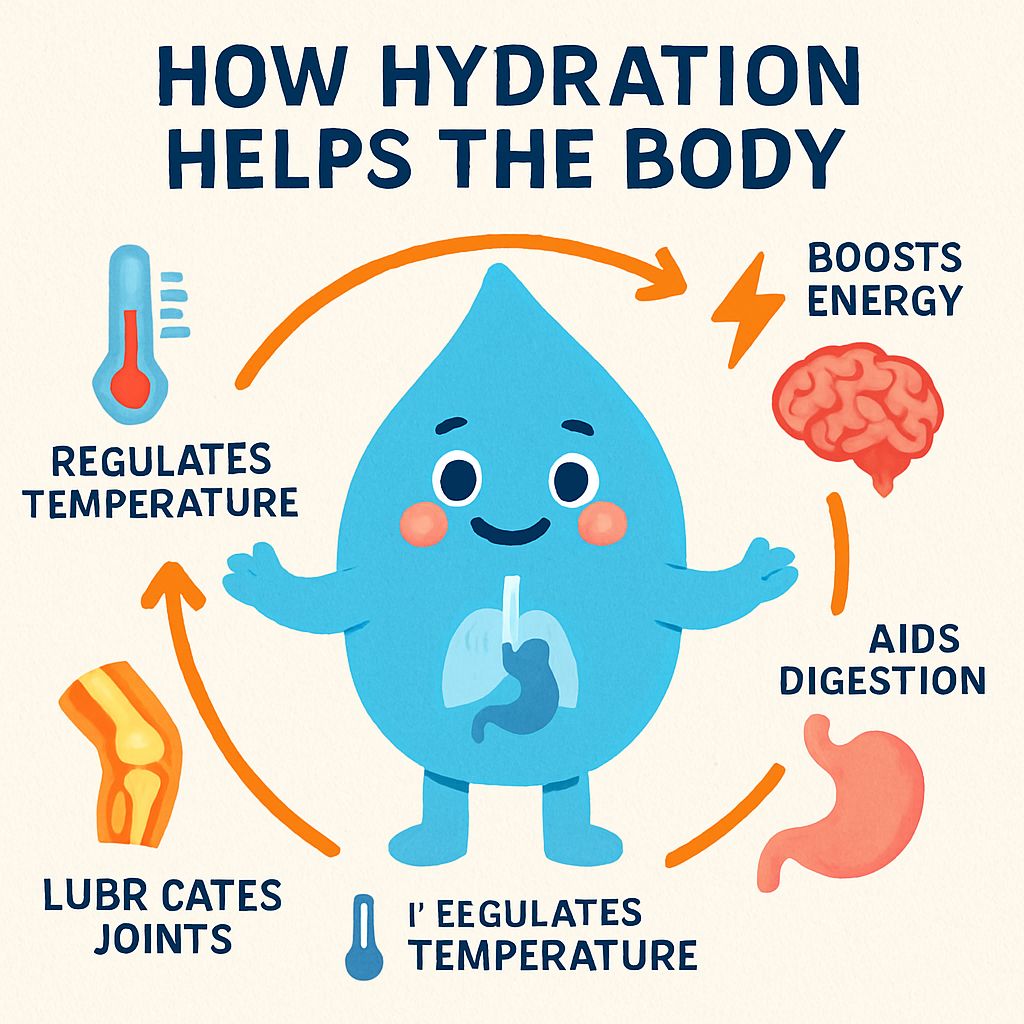
Water is your lymphatic system’s primary transport medium. When your body processes and eliminates the destroyed fat cells after cryolipolysis, it relies on adequate fluid volume to carry cellular waste through your lymphatic vessels, filter it through your lymph nodes, and eventually excrete it. Dehydration slows every step of that process. Aim for at least 8 to 10 glasses of water daily in the weeks following treatment, and more if you’re exercising regularly. If plain water feels monotonous, herbal teas that support detoxification — like dandelion root or green tea — count toward your fluid intake while also providing metabolic benefits. A targeted option worth knowing about is Cardio Slim Tea, which combines hydration with ingredients specifically selected to support fat metabolism and cardiovascular health during your post-treatment recovery period.

When to Schedule Repeat Treatments
A single cryolipolysis session is a powerful starting point, but it rarely represents the end of the journey for most people. Most individuals need 1 to 3 sessions per treated area to achieve their target results, and strategic repeat treatments can refine your contour further and target fat layers that weren’t fully addressed in the initial session. The key is timing — returning too soon doesn’t allow your body to complete the natural elimination process, while waiting too long means lost momentum.
- Wait a minimum of 4 to 6 weeks between sessions in the same area to allow initial swelling to resolve
- Most clinicians recommend waiting 8 to 12 weeks before assessing whether a follow-up session is needed
- Final results from a single session can take up to 6 months to fully manifest
- Repeat sessions can target deeper subcutaneous fat layers for more refined contouring
- Combining sessions across adjacent treatment zones creates smoother, more natural-looking transitions
Scheduling follow-up appointments isn’t a sign that the first treatment failed — it’s smart, strategic body contouring. Most people who achieve the best long-term outcomes plan their sessions in a series from the start, working with their provider to map out a treatment timeline aligned with their body goals. Those exploring medical weight loss options alongside body contouring should also consider how Tirzepatide and Semaglutide can complement cryolipolysis results by addressing systemic fat storage through a completely different biological mechanism.
The ideal window for assessing and booking a repeat session is typically the 8 to 12 week mark after your initial treatment. By this point, most of the fat cell elimination is complete, the treated area has settled, and you and your provider can accurately evaluate how much additional refinement would benefit your results.
Signs You May Need a Follow-Up Session
Not everyone needs a follow-up treatment, but certain indicators suggest that another session would meaningfully improve your outcome. If you can still pinch a noticeable amount of fat in the treated area after the 12-week mark, there is likely residual fat that a second session can address. Similarly, if your results are visible but feel uneven or asymmetrical, targeted follow-up applicator placement can smooth out those inconsistencies. People with larger initial fat deposits in the treated zone — particularly those targeting the abdomen or flanks — almost always benefit from a second or third round, as deeper fat layers require multiple freeze cycles to fully address.
How Repeat Treatments Target Deeper Fat Layers
Each cryolipolysis session primarily addresses the superficial layer of subcutaneous fat directly beneath the skin. When you return for a follow-up treatment, the applicator can be repositioned to target fat at slightly different depths and angles — reaching fat that the initial session couldn’t fully access. This layered approach is what allows repeat treatments to produce significantly more refined, sculpted results compared to a single session alone.
Think of it like carving a sculpture in stages. The first pass removes the most visible bulk. Subsequent sessions refine the shape, smooth the contour, and address the deeper pockets that create the appearance of fullness even after surface-level fat is reduced. For people targeting areas with more substantial fat deposits — like the abdomen or outer thighs — this multi-layer strategy is often the difference between good results and truly transformative ones. For those who want to amplify results even further, Natural GLP-1 Enhancement Without Needles, Prescriptions Or Side Effects offers a way to support the body’s own fat-regulating hormones between treatment sessions without pharmaceutical intervention.

Your Results Are Only as Good as Your Daily Habits
Cryolipolysis gives you a meaningful head start — a reduced fat cell count in targeted areas that creates real, visible change. But the body you maintain six months, two years, or a decade after your treatment is built entirely by your daily choices. The procedure does its part. The rest is up to you.
The people who see the most lasting results aren’t those who had the most sessions or spent the most money. They’re the ones who treated their treatment as a catalyst — a motivating moment that launched genuinely better habits around food, movement, hydration, and stress. Cryolipolysis works best when it’s paired with a lifestyle that actively prevents fat expansion rather than one that fights against its own results.
The most important thing to understand is that maintaining results doesn’t require perfection. It requires consistency. Missing a workout occasionally, enjoying a vacation indulgently, or having a bad dietary week doesn’t undo your results. Chronic, sustained calorie surplus and inactivity do. Build habits you can actually maintain — not ones that depend on willpower alone — and your results will reflect that sustainability.
Daily Habit Why It Matters Realistic Starting Goal Balanced nutrition Prevents remaining fat cells from expanding Cook at home 4–5 nights per week Regular cardio Burns calories and supports lymphatic flow 30 minutes, 4–5 days per week Strength training Builds metabolism-boosting lean muscle 2 sessions per week Daily hydration Supports lymphatic clearance of fat cells 8–10 glasses of water per day Post-treatment massage Improves fat elimination by up to 68% 5–10 minutes daily for 6 weeks post-treatment Stress management Reduces cortisol-driven fat storage 10 minutes of mindfulness or breathing daily Quality sleep Regulates hunger hormones and metabolic function 7–9 hours per night consistently
Frequently Asked Questions
Most people leave their cryolipolysis appointment with a clear picture of what the treatment does — but far less clarity on what comes after. The questions below address the most common concerns about maintaining results, managing expectations, and making the most of your investment long-term.
The answers here are grounded in the clinical reality of how cryolipolysis works biologically, not in the optimistic marketing language you might encounter elsewhere. Understanding the honest science is what empowers you to make decisions that actually serve your results.
Quick Reference: Most Common Post-Treatment Questions
- How long do results last if I maintain my weight?
- Can fat return to the treated area?
- When is it safe to exercise after my session?
- Does hydration genuinely impact fat cell elimination?
- How many total sessions do most people need?
If your question isn’t covered below, the best source of personalized guidance is always your treating clinician — they can evaluate your specific anatomy, treatment history, and goals to give you advice tailored to your body rather than general population averages.
That said, the following answers will give you a solid, science-backed foundation for understanding your results and what’s required to preserve them.
How Long Do Cryolipolysis Results Last?
When maintained with a stable weight and healthy lifestyle, cryolipolysis results can last indefinitely. The fat cells destroyed during treatment are permanently eliminated — they do not regenerate. What you’re preserving isn’t the treatment itself, but the lower fat cell count in the treated area. As long as you don’t expand the remaining cells through significant weight gain, the contoured shape achieved through treatment remains visible.
Most clinical literature supports the view that results are long-lasting when patients maintain their post-treatment weight within approximately 5 to 10 pounds of their weight at the time of treatment. Significant weight gain beyond that threshold can visibly diminish results as remaining fat cells throughout the body expand, including in and around the treated zone.
Can Fat Come Back After Cryolipolysis?
The destroyed fat cells cannot come back — but the appearance of fat in the treated area absolutely can return if you gain weight. This is the most important distinction to understand about cryolipolysis. The procedure reduces the number of fat cells in a specific area, but it doesn’t eliminate all of them, and it has no effect on fat cells elsewhere in the body. Weight gain distributes fat across all remaining cells, including those near the treated zone.
In rare cases, a phenomenon called paradoxical adipose hyperplasia — where the treated tissue becomes firmer and larger rather than smaller — has been reported. This is an uncommon complication, not a result of weight gain, and it requires clinical evaluation and separate treatment. For the vast majority of patients, any return of visible fat after cryolipolysis is directly related to lifestyle factors rather than a failure of the treatment itself.
How Soon After Treatment Should I Start Exercising?
Most people can return to light to moderate exercise within a day or two of their cryolipolysis session. The treated area may be tender, numb, or slightly swollen for several days to a few weeks, so high-impact activities that directly stress that zone — like intense core work after an abdominal treatment — are best avoided until the sensitivity resolves. Walking, swimming, and upper body work are typically comfortable starting points.
Resuming full exercise as soon as your body feels ready is actively beneficial. Physical activity supports lymphatic circulation, which directly accelerates the clearance of destroyed fat cells from the treated area. The sooner you reintroduce regular movement, the more efficiently your body completes the elimination process — and the sooner you’ll see your full results emerge.
Does Drinking Water Really Help After Fat Freezing?
Yes — and the mechanism is well understood. Your lymphatic system is responsible for transporting the cellular debris from destroyed fat cells to your lymph nodes for filtration and eventual excretion. That entire system depends on adequate fluid volume to function efficiently. When you’re dehydrated, lymphatic flow slows, cellular waste clearance slows, and the timeline to see your final results extends unnecessarily.
Increasing your water intake in the weeks following treatment isn’t a wellness myth — it’s a practical way to support the biological process that delivers your results. Eight to ten glasses daily is the baseline recommendation, but people who exercise regularly or live in hot climates should aim higher. Herbal teas that support kidney and liver function add an additional layer of support to your body’s natural detoxification pathways during the post-treatment elimination window.
How Many Cryolipolysis Sessions Do I Need to Maintain Results?
Maintaining results doesn’t require ongoing treatments the way some aesthetic procedures do. Once a fat cell is destroyed and cleared, it stays gone. The sessions you need are those required to initially achieve your target contour — typically 1 to 3 per treated area — rather than a continuous maintenance schedule.
Where repeat sessions become relevant for maintenance is when lifestyle factors have led to noticeable fat expansion in the treated or surrounding areas, or when patients want to continue refining their results beyond the initial outcome. In those cases, a strategic follow-up session can re-address the area and restore or enhance the previous result. Some patients also choose periodic treatments on new areas as their body goals evolve over time.